
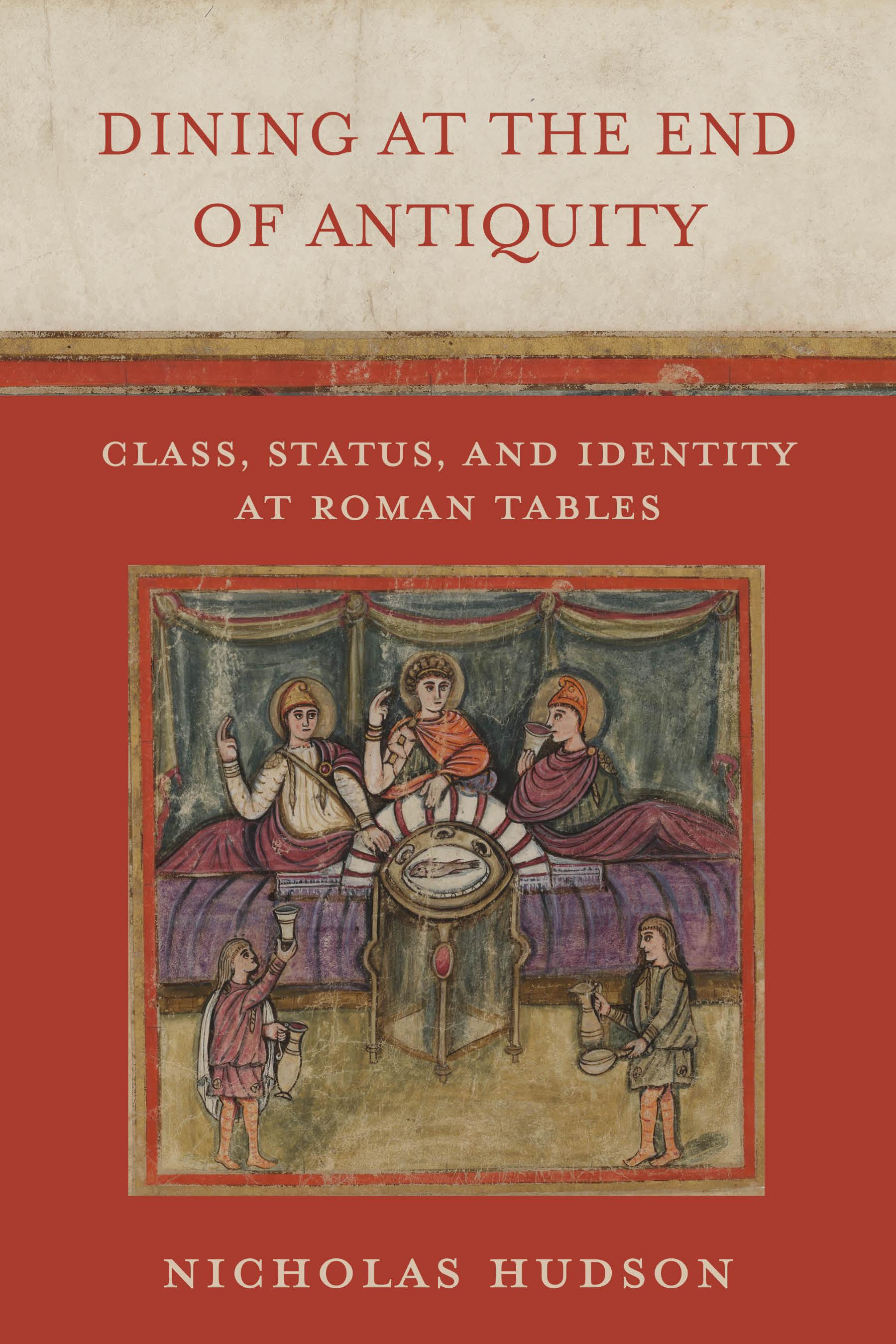
The history of dining is a story that cannot be told without archaeology. Surviving texts describe the opulent banquets of Rome’s wealthy elite but give little attention to the simpler, more intimate social gatherings of domestic invitation dinners. The lower classes, in particular, are largely ignored by literary sources. We can, however, find the voices of the underprivileged by turning to the material detritus of ancient cultures that reflects their social history. Dining at the End of Antiquity brings together the material culture and literary traditions of Romans at the table to reimagine dining culture as an integral part of Roman social order. Through a careful analysis of the tools and equipment of dining, Nicholas Hudson uncovers significant changes to the way different classes came together to share food and wine between the fourth and sixth centuries. Reconstructing the practices of Roman dining culture, Hudson explores the depths of new social distances between the powerful and the dependent at the end of antiquity.
Pay easily by card, Klarna, Apple Pay or Google Pay. Not happy? You always have a 14-day money-back guarantee. Read more in our terms. If you have any questions, email us at hello@memmo.org.
Memmo makes studying easier – wherever you are in the world. We bring your course books and smart study tools together in one place: summaries, quizzes, podcasts and flashcards. Plus Ted, your study buddy who answers anything you wonder. Over 75,000 students already study here – built to help you learn faster and stress less.
You might also like
Buy the book0