
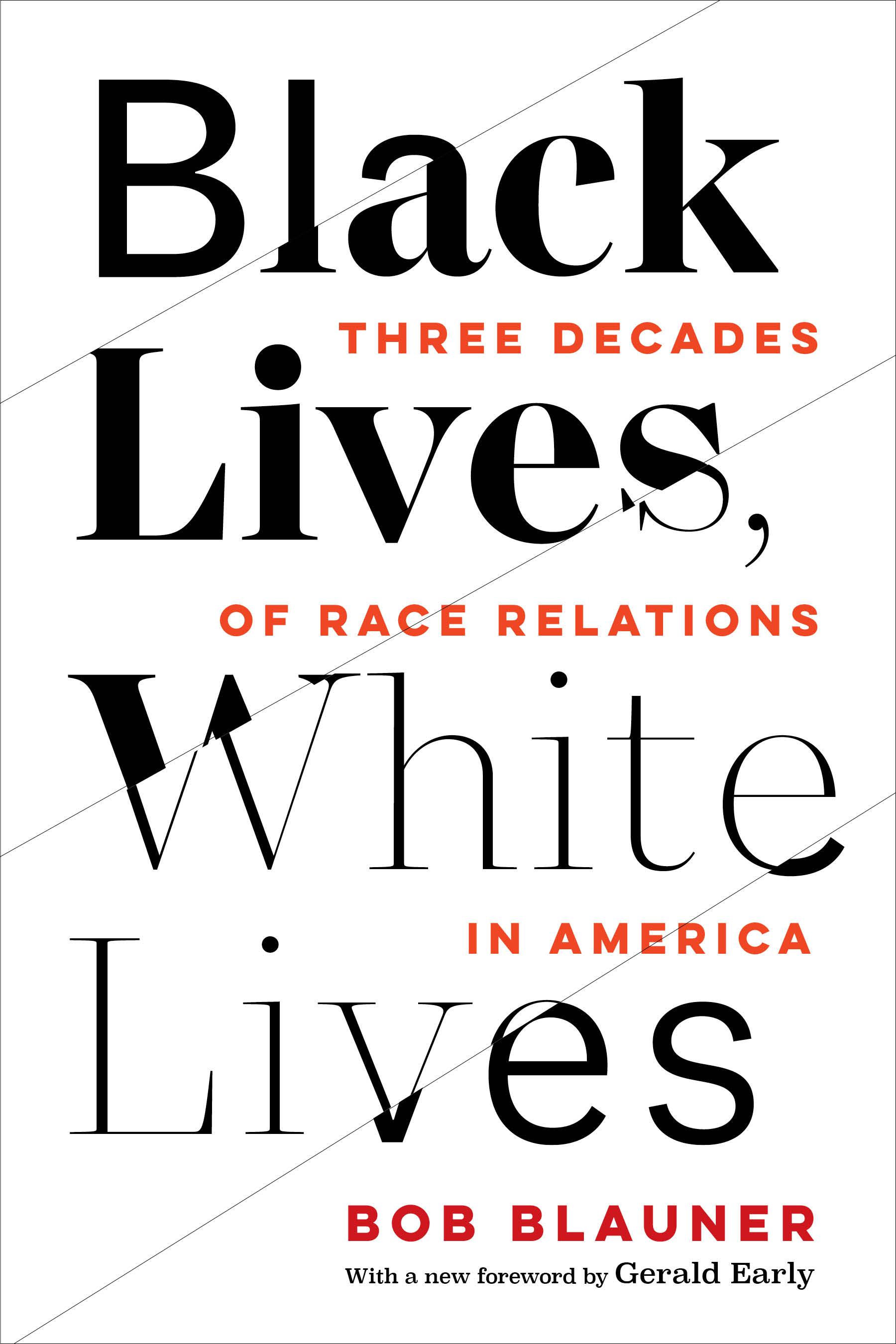
Now with a new foreword, this timely reissue features a remarkable collection of oral histories that trace three decades of turbulent race relations and social change in the United States for a new generation of activists.
One evening in 1955, Howard Spence, a Mississippi field representative for the NAACP investigating the Emmett Till murder, was confronted by Klansmen who burned an eight-foot cross on his front lawn. "I felt my life wasn't worth a penny with a hole in it." Twenty-four years later, Spence had become a respected pillar of that same Mississippi town, serving as its first Black alderman.
The story of Howard Spence is just one of the remarkable personal dramas recounted in Black Lives, White Lives. Beginning in 1968, Bob Blauner and a team of interviewers recorded the words of those caught up in the crucible of rapid racial, social, and political change. Unlike most retrospective oral histories, these interviews capture the intense racial tension of 1968 in real time, as people talk with unusual candor about their deepest fears and prejudices. The diverse experiences and changing beliefs of Blauner's interview subjects—sixteen of them Black, twelve of them white—are expanded through subsequent interviews in 1979 and 1986, revealing as much about ordinary, daily lives as the extraordinary cultural shifts that shaped them. This book remains a landmark historical and sociological document, and an exceptional primary-source commentary on the development of race relations since the 1960s. Republished with a foreword by Professor Gerald Early, Black Lives, White Lives offers new generations of scholars and activists a galvanizing meditation on how divided America was then and still is today.
One evening in 1955, Howard Spence, a Mississippi field representative for the NAACP investigating the Emmett Till murder, was confronted by Klansmen who burned an eight-foot cross on his front lawn. "I felt my life wasn't worth a penny with a hole in it." Twenty-four years later, Spence had become a respected pillar of that same Mississippi town, serving as its first Black alderman.
The story of Howard Spence is just one of the remarkable personal dramas recounted in Black Lives, White Lives. Beginning in 1968, Bob Blauner and a team of interviewers recorded the words of those caught up in the crucible of rapid racial, social, and political change. Unlike most retrospective oral histories, these interviews capture the intense racial tension of 1968 in real time, as people talk with unusual candor about their deepest fears and prejudices. The diverse experiences and changing beliefs of Blauner's interview subjects—sixteen of them Black, twelve of them white—are expanded through subsequent interviews in 1979 and 1986, revealing as much about ordinary, daily lives as the extraordinary cultural shifts that shaped them. This book remains a landmark historical and sociological document, and an exceptional primary-source commentary on the development of race relations since the 1960s. Republished with a foreword by Professor Gerald Early, Black Lives, White Lives offers new generations of scholars and activists a galvanizing meditation on how divided America was then and still is today.
Pay easily by card, Klarna, Apple Pay or Google Pay. Not happy? You always have a 14-day money-back guarantee. Read more in our terms. If you have any questions, email us at hello@memmo.org.
Memmo makes studying easier – wherever you are in the world. We bring your course books and smart study tools together in one place: summaries, quizzes, podcasts and flashcards. Plus Ted, your study buddy who answers anything you wonder. Over 50,000 students already study here – built to help you learn faster and stress less.
You might also like
Buy the book0