
"A well-written textbook by a learned musician practicing his craft. The analyses are clearly argued, and Wen projects a reassuring sense of authenticity in his approach to tonal music analysis. The book will be of interest to many musicians, especially those focused on Schenkerian theory and analysis. I believe the book will be a welcome addition to the range of teaching manuals on the subject." — Music Theory Online
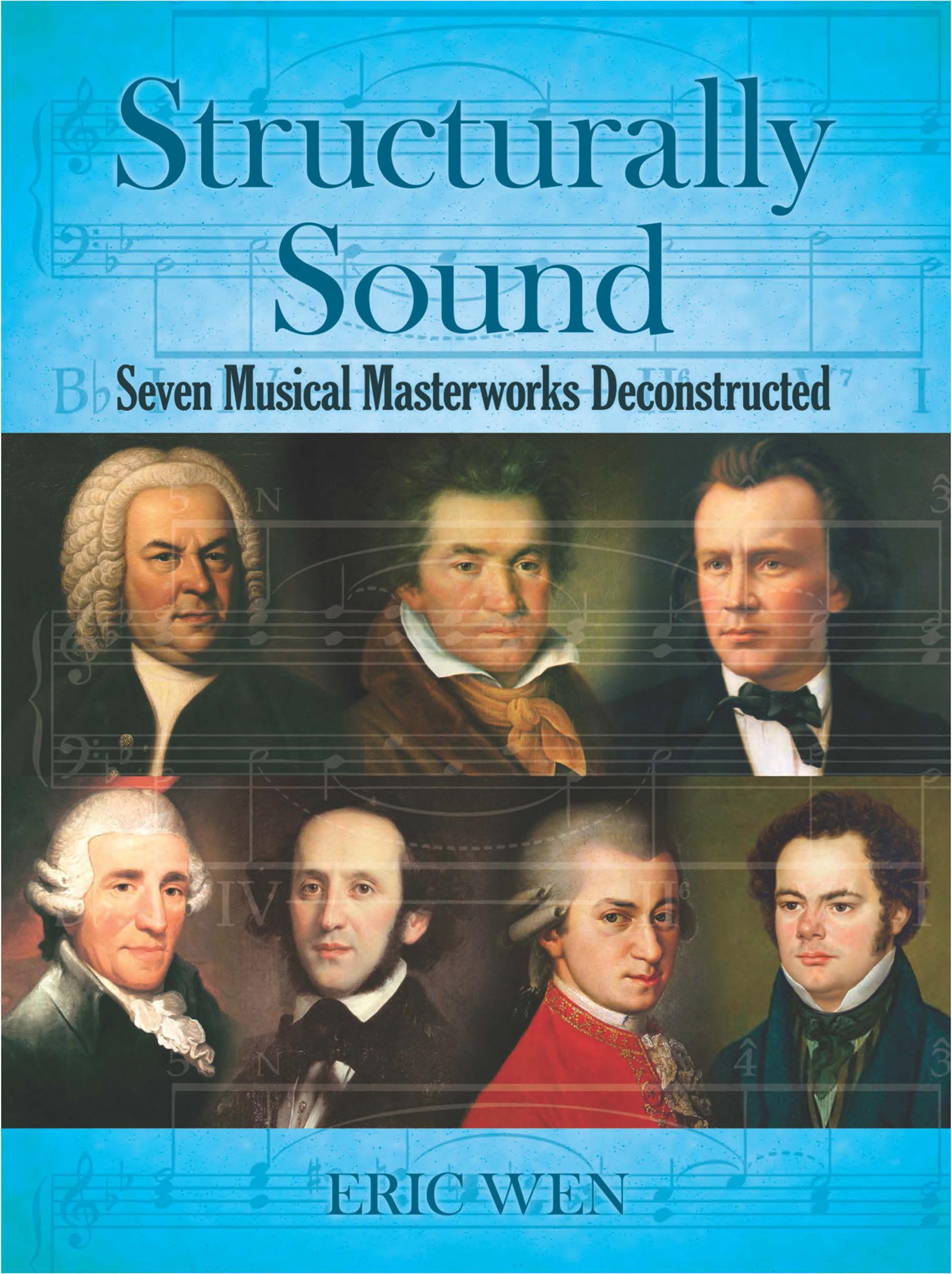
Music theorist Eric Wen presents in-depth analyses of seven masterworks from the common-practice period of Western art music:
Bach: Air from Orchestral Suite No. 3 in D, BWV 1068
Mendelssohn: Andante con moto tranquillo from Piano Trio No. 1 in D minor, Op. 49
Schubert: Nacht und Traüme, D. 827
Haydn: Adagio — Vivace assai from Symphony No. 94 in G, Hob. I:94
Mozart: Molto Allegro from Symphony No. 40 in G minor, K. 550
Beethoven: Marcia funebre: Adagio assai from Symphony No. 3 in E-flat, Op. 55
Brahms: Un poco presto e con sentimento from Violin Sonata No. 3 in D minor, Op. 108
Wen employs the analytic approach developed by Heinrich Schenker, a method that uses musical notation to clarify and illuminate a work's structural hierarchies. Copiously illustrated with analytic musical examples that elucidate the tonal organization of each of the seven works, this study also explores aspects of form, rhythmic organization, and programmatic meaning.
This volume will be of particular interest to musicologists and professional musicians, and it will also appeal to listeners keen to probe the rich complexities of these masterpieces.
Bach: Air from Orchestral Suite No. 3 in D, BWV 1068
Mendelssohn: Andante con moto tranquillo from Piano Trio No. 1 in D minor, Op. 49
Schubert: Nacht und Traüme, D. 827
Haydn: Adagio — Vivace assai from Symphony No. 94 in G, Hob. I:94
Mozart: Molto Allegro from Symphony No. 40 in G minor, K. 550
Beethoven: Marcia funebre: Adagio assai from Symphony No. 3 in E-flat, Op. 55
Brahms: Un poco presto e con sentimento from Violin Sonata No. 3 in D minor, Op. 108
Wen employs the analytic approach developed by Heinrich Schenker, a method that uses musical notation to clarify and illuminate a work's structural hierarchies. Copiously illustrated with analytic musical examples that elucidate the tonal organization of each of the seven works, this study also explores aspects of form, rhythmic organization, and programmatic meaning.
This volume will be of particular interest to musicologists and professional musicians, and it will also appeal to listeners keen to probe the rich complexities of these masterpieces.
Pay easily by card, Klarna, Apple Pay or Google Pay. Not happy? You always have a 14-day money-back guarantee. Read more in our terms. If you have any questions, email us at hello@memmo.org.
Memmo makes studying easier – wherever you are in the world. We bring your course books and smart study tools together in one place: summaries, quizzes, podcasts and flashcards. Plus Ted, your study buddy who answers anything you wonder. Over 50,000 students already study here – built to help you learn faster and stress less.
You might also like
Buy the book0