
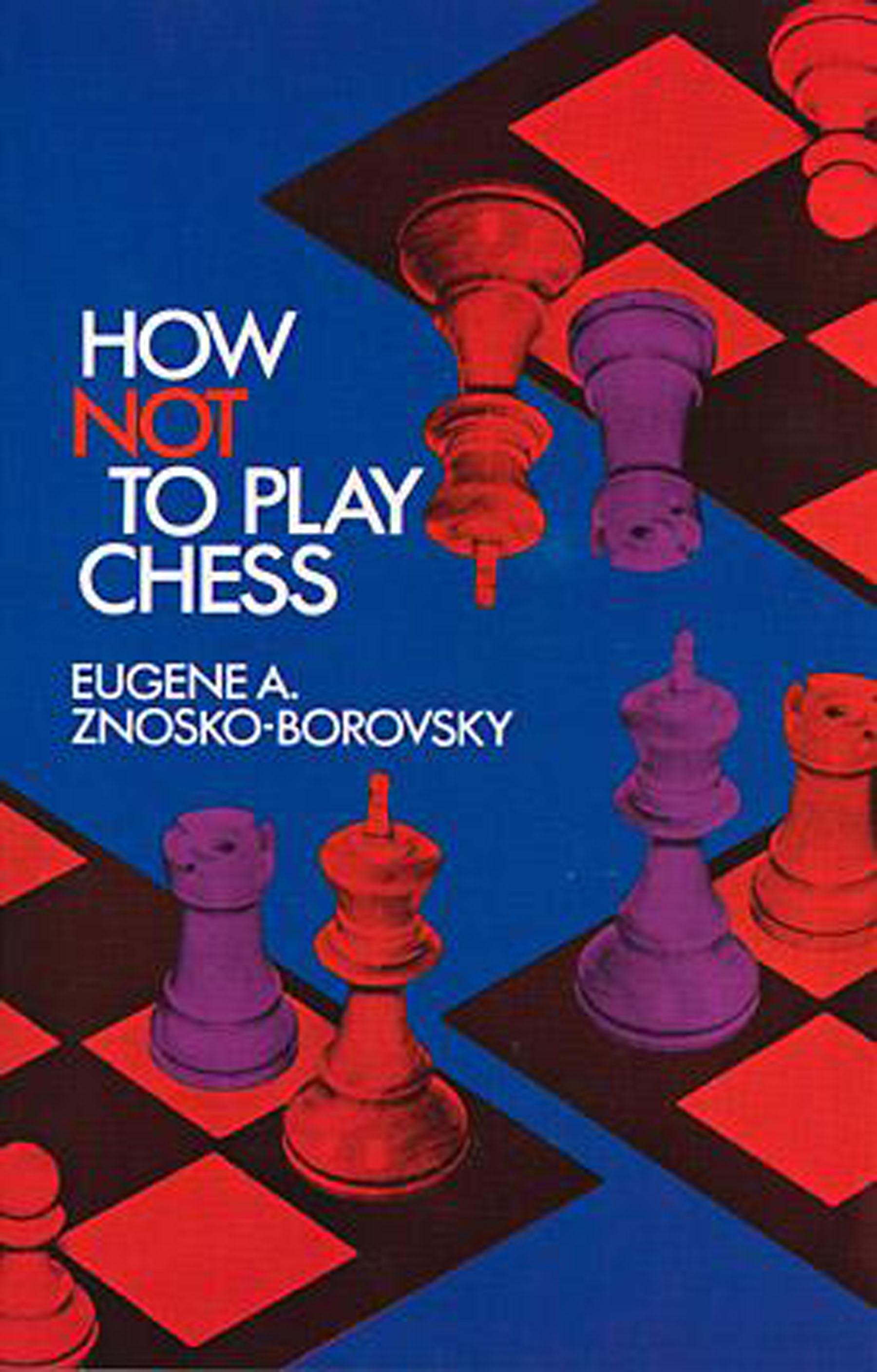
Beginners and even fairly advanced players agree on one thing: analyzing the strength or weakness of a position (material being equal) is the hardest part of chess to learn. It is also one of the hardest elements to teach, and there are some who claim it is unteachable. But this wonderfully lucid book, written by one of the outstanding chess expositors of the twentieth century, presents the basis of analysis in such a disarmingly simple way that even the most casual player will be able to improve his game immensely.
Sticking to a few well-chosen examples and explaining every step along the way, the author shows you how to avoid playing a hit-or-miss game, from move to move, and instead develop general plans of action based on positional analysis: weak and strong squares, the notion of controlling a square, how to seize control of open lines, weak points in the pawn structure, and other aspects of analysis.
He includes as well a number of tips (not often found in books for beginners and average players) that the reader would do well to commit to memory: such hints as “Never omit to blockade an enemy passed pawn,” and “Do not be content with attacking an existing weakness; always seek to create others.” Throughout the book he defines and illustrates typical chess mistakes, and anyone reading his book carefully will learn in a few hours what he might otherwise have spent years to attain. For this revised edition, the author added 20 problems from master games on which the reader can test his understanding of the principles found in the text.
Sticking to a few well-chosen examples and explaining every step along the way, the author shows you how to avoid playing a hit-or-miss game, from move to move, and instead develop general plans of action based on positional analysis: weak and strong squares, the notion of controlling a square, how to seize control of open lines, weak points in the pawn structure, and other aspects of analysis.
He includes as well a number of tips (not often found in books for beginners and average players) that the reader would do well to commit to memory: such hints as “Never omit to blockade an enemy passed pawn,” and “Do not be content with attacking an existing weakness; always seek to create others.” Throughout the book he defines and illustrates typical chess mistakes, and anyone reading his book carefully will learn in a few hours what he might otherwise have spent years to attain. For this revised edition, the author added 20 problems from master games on which the reader can test his understanding of the principles found in the text.
Pay easily by card, Klarna, Apple Pay or Google Pay. Not happy? You always have a 14-day money-back guarantee. Read more in our terms. If you have any questions, email us at hello@memmo.org.
Memmo makes studying easier – wherever you are in the world. We bring your course books and smart study tools together in one place: summaries, quizzes, podcasts and flashcards. Plus Ted, your study buddy who answers anything you wonder. Over 75,000 students already study here – built to help you learn faster and stress less.
You might also like
Buy the book0