
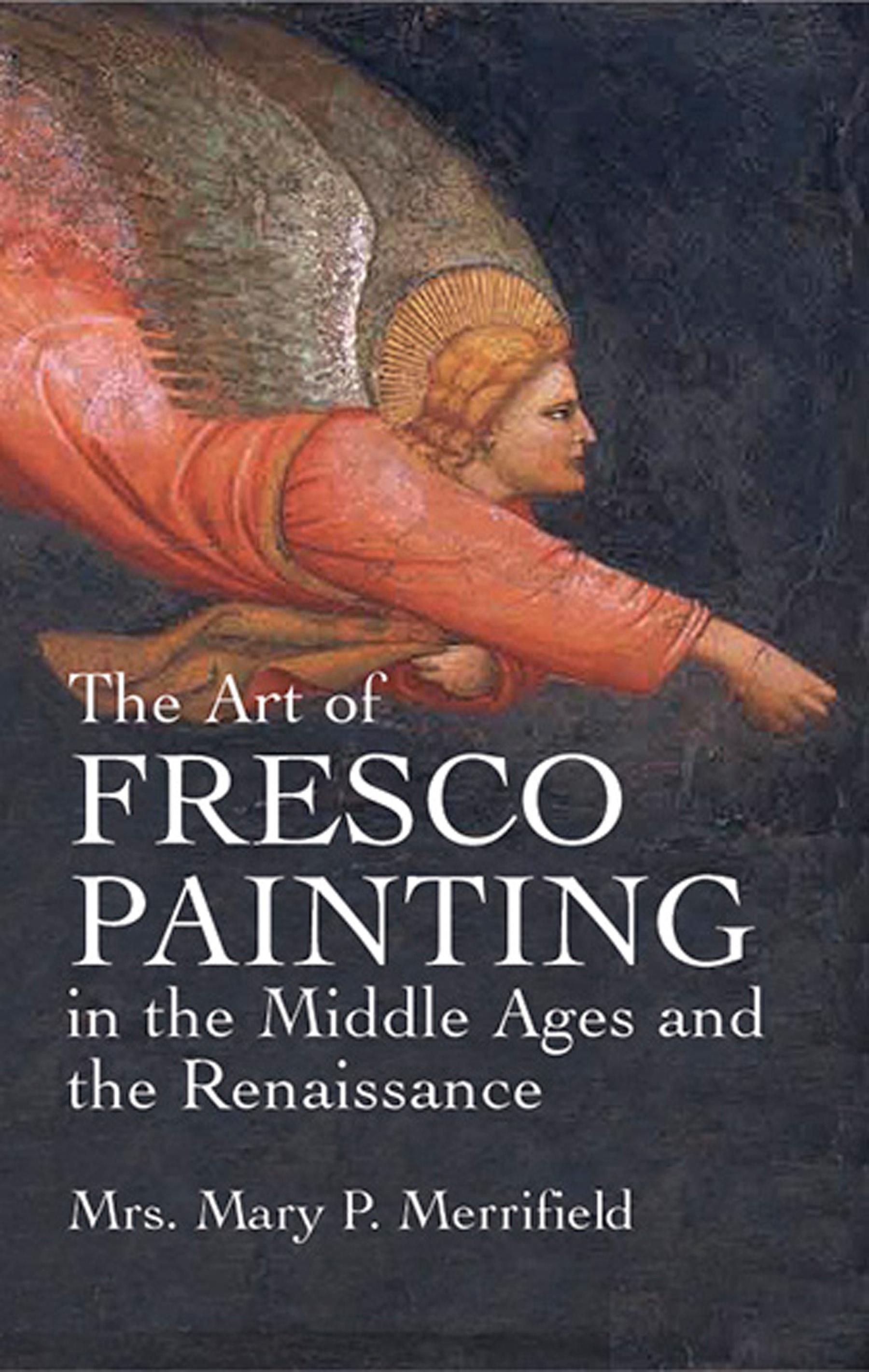
Known for its durability, a fresco painting is created in "sections" on freshly laid wet plaster, allowing the painter to comprehensively portray the subject and execute designs with ease. As both the paint and plaster dry, they become completely fused. Highly popular during the late-thirteenth to the mid-sixteenth centuries, fresco painting was almost a lost art by the time this book was first published in 1846. This volume, by a recognized authority in the field, was highly influential in reintroducing fresco painting to public attention.
In addition to translating descriptions of painting methods used by such masters as Alberti, Cennini, Vasari, Borghini, Pozzo, and Pacheco, the author also interprets passages from rare manuscripts on the causes of fresco destruction and how to retouch, repair, and clean these works of art.
Curators and art historians will find this classic reference work of immense importance and interest.
In addition to translating descriptions of painting methods used by such masters as Alberti, Cennini, Vasari, Borghini, Pozzo, and Pacheco, the author also interprets passages from rare manuscripts on the causes of fresco destruction and how to retouch, repair, and clean these works of art.
Curators and art historians will find this classic reference work of immense importance and interest.
Pages: 192
Category: Konst, Design & Fotografi
e-ISBN: 9780486147338
Shipping weight: 1.2 kg
Ships in: 1-2 days
Pay easily by card, Klarna, Apple Pay or Google Pay. Not happy? You always have a 14-day money-back guarantee. Read more in our terms. If you have any questions, email us at hello@memmo.org.
Memmo makes studying easier – wherever you are in the world. We bring your course books and smart study tools together in one place: summaries, quizzes, podcasts and flashcards. Plus Ted, your study buddy who answers anything you wonder. Over 50,000 students already study here – built to help you learn faster and stress less.
You might also like
Buy the book0