
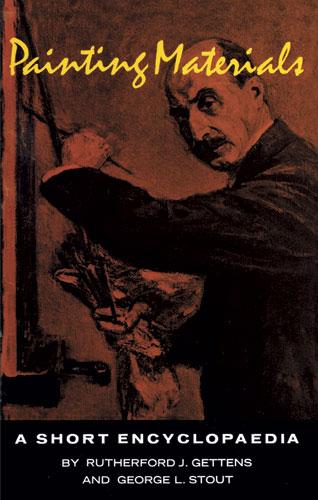
The combined training and experience of the authors of this classic in the varied activities of painting conservation, cultural research, chemistry, physics, and paint technology ideally suited them to the task they attempted. Their book, written when they were both affiliated with the Department of Conservation at Harvard's Fogg Art Museum, is not a handbook of instruction. It is, instead, an encyclopedic collection of specialized data on every aspect of painting and painting research.
The book is divided into five sections: Mediums, Adhesives, and Film Substances (amber, beeswax, casein, cellulose, nitrate, dragon's blood, egg tempera, paraffin, lacquer, gum Arabic, Strasbourg turpentine, water glass, etc.); Pigments and Inert Materials (over 100 entries from alizarin to zinnober green); Solvents, Diluents, and Detergents (acetone, ammonia, carbon tetrachloride, soap, water, etc.); Supports (academy board, dozens of different woods, esparto grass, gesso, glass, leather, plaster, silk, vellum, etc.); and Tools and Equipment.
Coverage within each section is exhaustive. Thirteen pages are devoted to items related to linseed oil; eleven to the history and physical and chemical properties of pigments; two to artificial ultramarine blue; eleven to wood; and so on with hundreds of entries. Much of the information — physical behavior, earliest known use, chemical composition, history of synthesis, refractive index, etc. — is difficult to find elsewhere. The rest was drawn from such a wide range of fields and from such a long span of time that the book was immediately hailed as the best organized, most accessible work of its kind.
That reputation hasn't changed. The author's new preface lists some recent discoveries regarding pigments and other materials and the pigment composition chart has been revised, but the text remains essentially unchanged. It is still invaluable not only for museum curators and conservators for whom it was designed, but for painters themselves and for teachers and students as well.
Pay easily by card, Klarna, Apple Pay or Google Pay. Not happy? You always have a 14-day money-back guarantee. Read more in our terms. If you have any questions, email us at hello@memmo.org.
Memmo makes studying easier – wherever you are in the world. We bring your course books and smart study tools together in one place: summaries, quizzes, podcasts and flashcards. Plus Ted, your study buddy who answers anything you wonder. Over 50,000 students already study here – built to help you learn faster and stress less.