
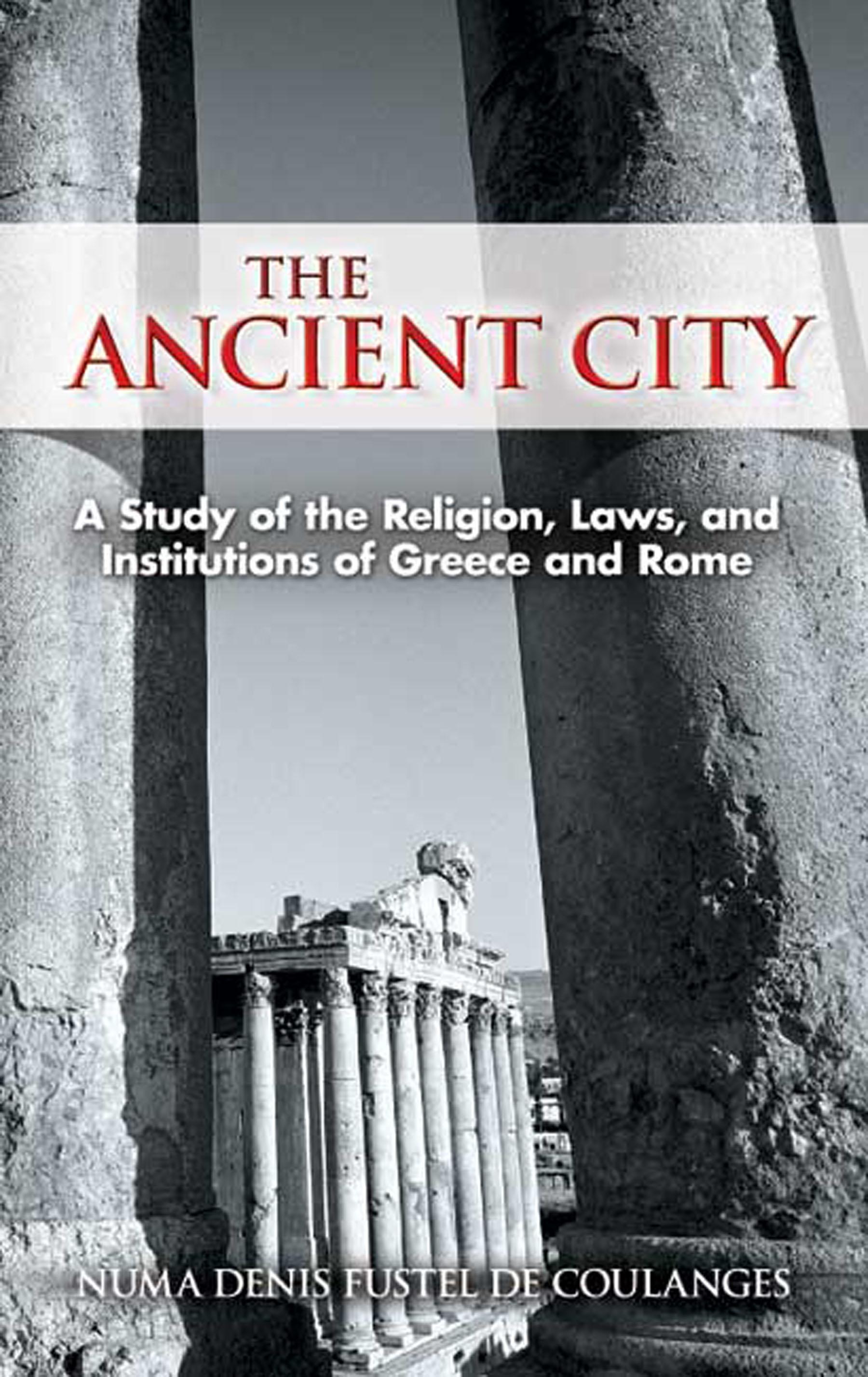
With this influential study, French historian Numa Denis Fustel de Coulanges initiated a new approach to Greek and Roman city organization. Fustel de Coulanges' 1864 masterpiece, La Cité antique, drew upon physical evidence as well as ancient documents rather than the usual post-Classical histories. The result is a fresh, accurate, and detailed portrait of the religious, family, and civic life of Periclean Athens and Rome during the time of Cicero.
This fascinating sociological account reveals the significance of kinship and the cult of the family hearth and ancestors to ancient Hellenic and Latin urban culture. It chronicles the rise of family-centered pagan belief systems, tracing their gradual decline to the spread of Christianity. Fustel cites ancient Indian and Hebrew texts as well as Greek and Roman sources. The ingenuity of his interpretations, along with his striking prose style, offer readers a vital and enduring historic survey.
This fascinating sociological account reveals the significance of kinship and the cult of the family hearth and ancestors to ancient Hellenic and Latin urban culture. It chronicles the rise of family-centered pagan belief systems, tracing their gradual decline to the spread of Christianity. Fustel cites ancient Indian and Hebrew texts as well as Greek and Roman sources. The ingenuity of his interpretations, along with his striking prose style, offer readers a vital and enduring historic survey.
Pay easily by card, Klarna, Apple Pay or Google Pay. Not happy? You always have a 14-day money-back guarantee. Read more in our terms. If you have any questions, email us at hello@memmo.org.
Memmo makes studying easier – wherever you are in the world. We bring your course books and smart study tools together in one place: summaries, quizzes, podcasts and flashcards. Plus Ted, your study buddy who answers anything you wonder. Over 75,000 students already study here – built to help you learn faster and stress less.
You might also like
Buy the book0