
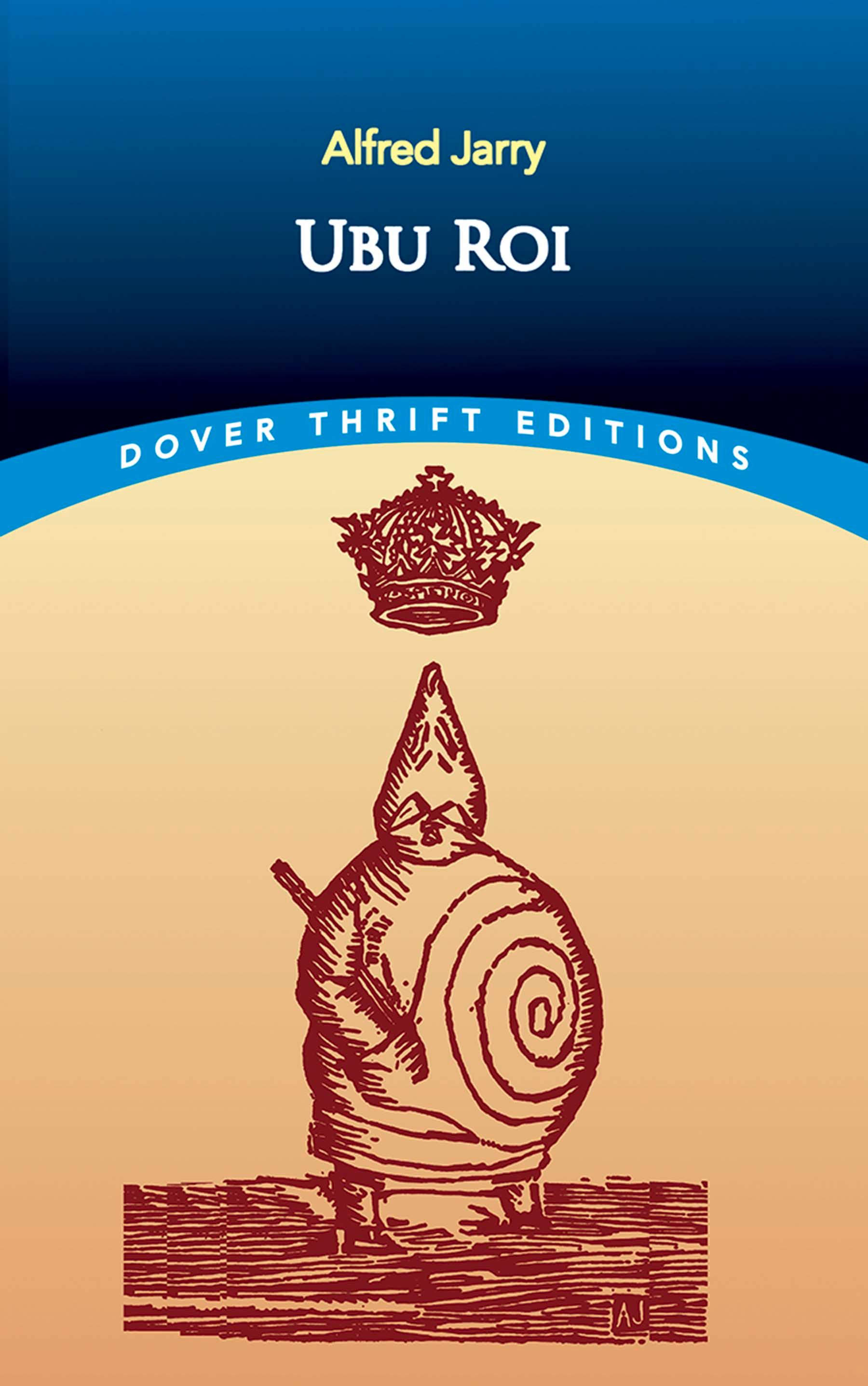
When it first opened in Paris in late 1896, Ubu Roi immediately outraged audiences with its scatological references and surrealist style. Spectators rioted during the premiere (and final) performance and unrelenting controversy over the play's meaning followed. The quality and stunning impact of the work, however, was never questioned.
Early drafts of the play were written by Jarry in his teens to ridicule one of his teachers. The farce was done in the form of stylized burlesque, satirizing the tendency of the successful bourgeois to abuse his authority and become irresponsibly complacent. Ubu — the cruel, gluttonous, and grotesque main character (the author's metaphor for modern man) — anticipated characteristics of the Dada movement. In the 1920s, Dadaists and Surrealists championed the play, recognizing Ubu Roi as the first absurdist drama.
Pay easily by card, Klarna, Apple Pay or Google Pay. Not happy? You always have a 14-day money-back guarantee. Read more in our terms. If you have any questions, email us at hello@memmo.org.
Memmo makes studying easier – wherever you are in the world. We bring your course books and smart study tools together in one place: summaries, quizzes, podcasts and flashcards. Plus Ted, your study buddy who answers anything you wonder. Over 75,000 students already study here – built to help you learn faster and stress less.