
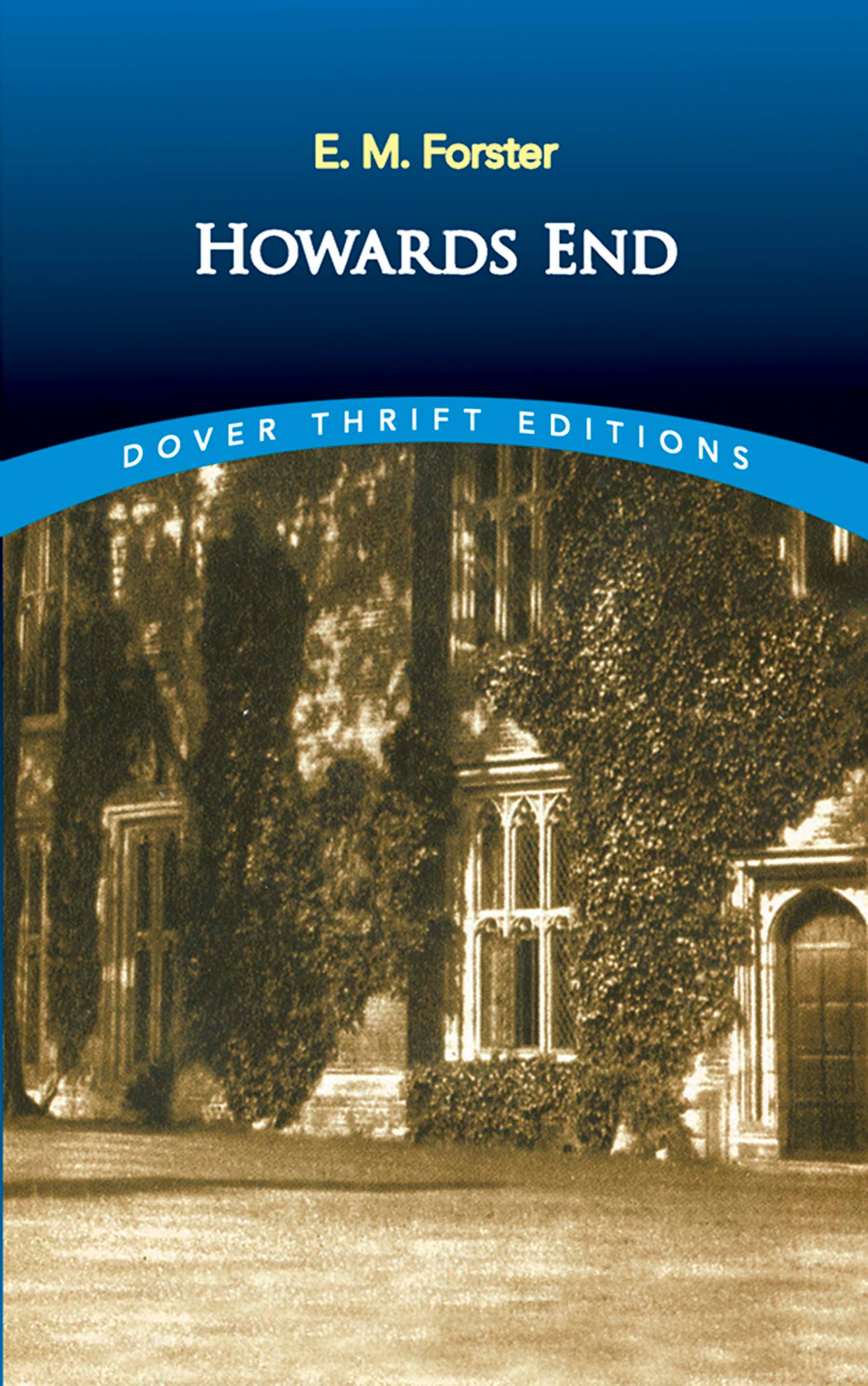
The self-interested disregard of a dying woman's bequest, an impulsive girl's attempt to help an impoverished clerk, and the marriage between an idealist and a materialist — all intersect at a Hertfordshire estate called Howards End. The fate of this beloved country home symbolizes the future of England itself in E. M. Forster's exploration of social, economic, and philosophical trends, as exemplified by three families: the Schlegels, symbolizing the idealistic and intellectual aspect of the upper classes; the Wilcoxes, representing upper-class pragmatism and materialism; and the Basts, embodying the aspirations of the lower classes. Published in 1910, Howards End won international acclaim for its insightful portrait of English life during the post-Victorian era.
Pay easily by card, Klarna, Apple Pay or Google Pay. Not happy? You always have a 14-day money-back guarantee. Read more in our terms. If you have any questions, email us at hello@memmo.org.
Memmo makes studying easier – wherever you are in the world. We bring your course books and smart study tools together in one place: summaries, quizzes, podcasts and flashcards. Plus Ted, your study buddy who answers anything you wonder. Over 50,000 students already study here – built to help you learn faster and stress less.
You might also like
Buy the book0