
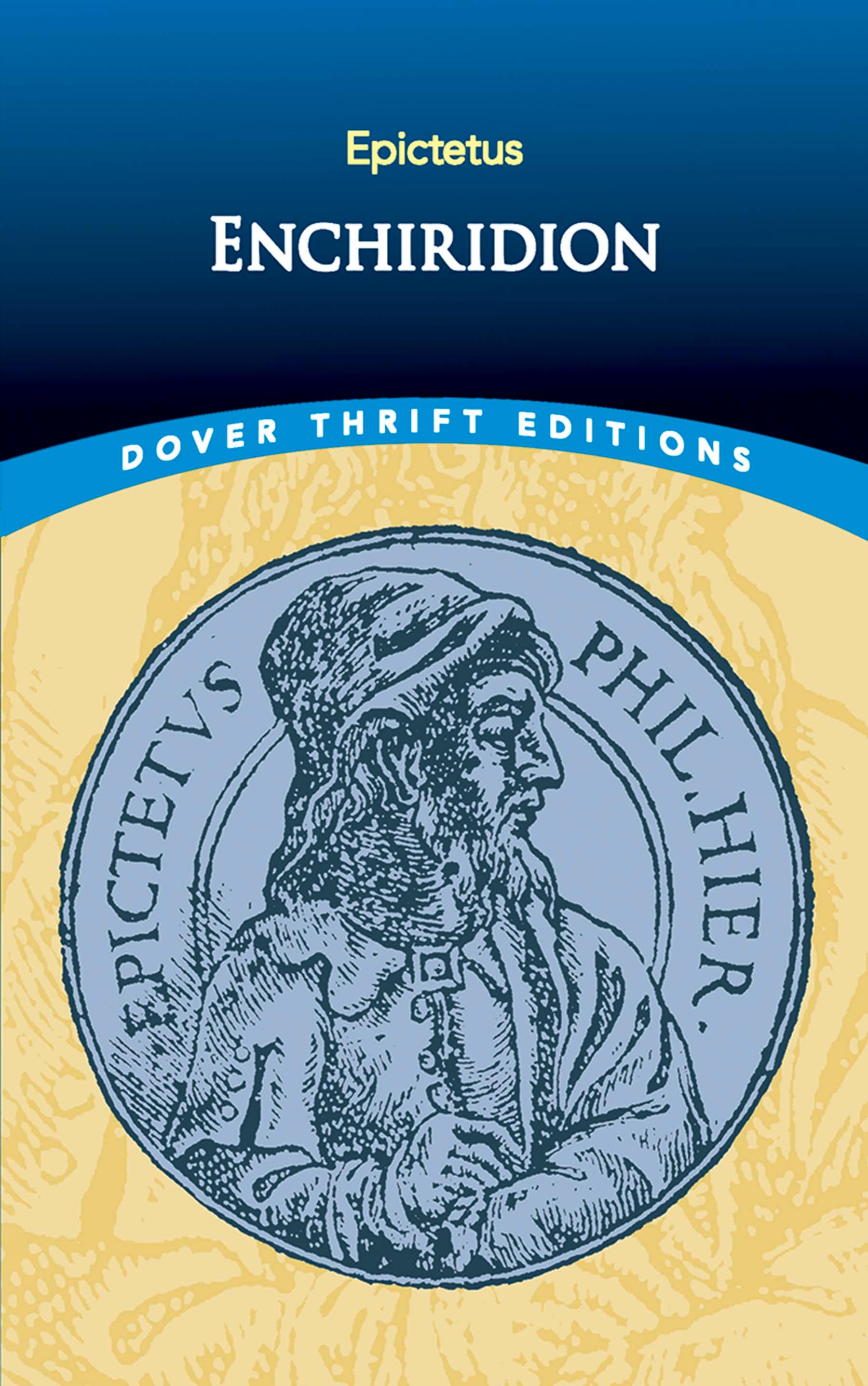
Although he was born into slavery and endured a permanent physical disability, Epictetus (ca. 50–ca. 130 CE) maintained that all people are free to control their lives and live in harmony with nature. We will always be happy, he argued, if we learn to desire that things should be exactly as they are. After attaining his freedom, Epictetus spent his career teaching philosophy and advising a daily regimen of self-examination. His pupil Arrian later collected and published the master's lecture notes; the Enchiridion, or Manual, is a distillation of Epictetus's teachings and an instruction manual for a tranquil life. Full of practical advice, this work offers guidelines for those seeking contentment as well as those who have already made some progress in that direction. Translated by George Long.
Pay easily by card, Klarna, Apple Pay or Google Pay. Not happy? You always have a 14-day money-back guarantee. Read more in our terms. If you have any questions, email us at hello@memmo.org.
Memmo makes studying easier – wherever you are in the world. We bring your course books and smart study tools together in one place: summaries, quizzes, podcasts and flashcards. Plus Ted, your study buddy who answers anything you wonder. Over 50,000 students already study here – built to help you learn faster and stress less.
You might also like
Buy the book0