
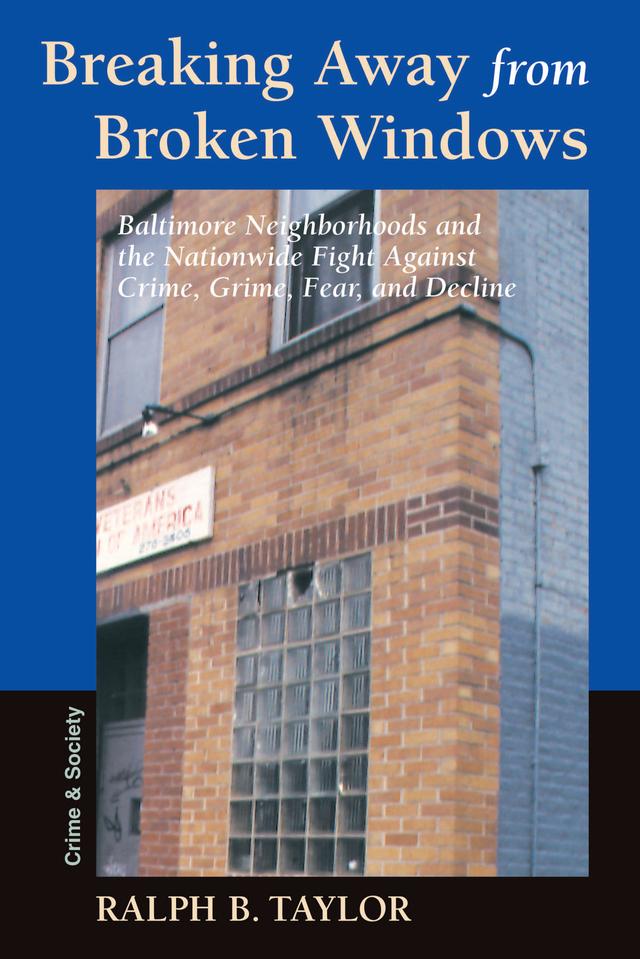
In Breaking Away from Broken Windows Ralph Taylor uses data on recent Baltimore crime-reduction efforts to attack the 'broken windows' thesis--that is, the currently fashionable notion that by reducing or eliminating superficial signs of disorder (dilapidated buildings, graffiti, incivil behavior by teenagers, etc.), urban police deparments can make significant and lasting reductions in crime. Taylor argues that such measures, while useful, are only a partial solution to the problem at hand. His data supports a materialist view: changes in levels of physical decay, superficial social disorder, and racial composition do not lead to higher crime, while economic decline does. He contends that the Baltimore example shows that in order to make real, long-term reductions in crime, urban politicians, businesses, and community leaders must work together to improve the economic fortunes of those living in high-crime areas.
Pay easily by card, Klarna, Apple Pay or Google Pay. Not happy? You always have a 14-day money-back guarantee. Read more in our terms. If you have any questions, email us at hello@memmo.org.
Memmo makes studying easier – wherever you are in the world. We bring your course books and smart study tools together in one place: summaries, quizzes, podcasts and flashcards. Plus Ted, your study buddy who answers anything you wonder. Over 50,000 students already study here – built to help you learn faster and stress less.
You might also like
Buy the book0