
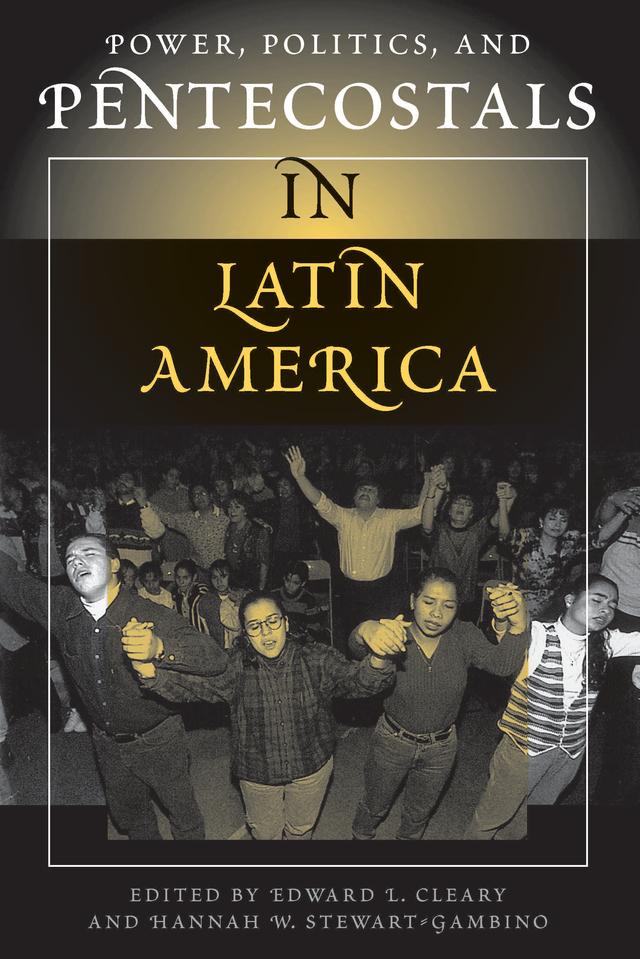
Today over forty million Latin Americans classify themselves as Protestant, of which the overwhelming majority belong to some form of Pentecostalism. The rapid dissemination of Pentecostal beliefs has produced vibrant alternatives to traditional dominant culture and changed relations within the family, locality, and workplace. This volume introduces broad issues in the Pentecostal movement, including gender relations, political power and organization, and inter-Pentecostal and ecumenical relations. These themes are then examined more specifically in the country case studies, which address the historical foundations of the Pentecostal movement, patterns of and explanation for its growth, and the consequences of its expanding presence, including increased political influence.
Pay easily by card, Klarna, Apple Pay or Google Pay. Not happy? You always have a 14-day money-back guarantee. Read more in our terms. If you have any questions, email us at hello@memmo.org.
Memmo makes studying easier – wherever you are in the world. We bring your course books and smart study tools together in one place: summaries, quizzes, podcasts and flashcards. Plus Ted, your study buddy who answers anything you wonder. Over 50,000 students already study here – built to help you learn faster and stress less.