
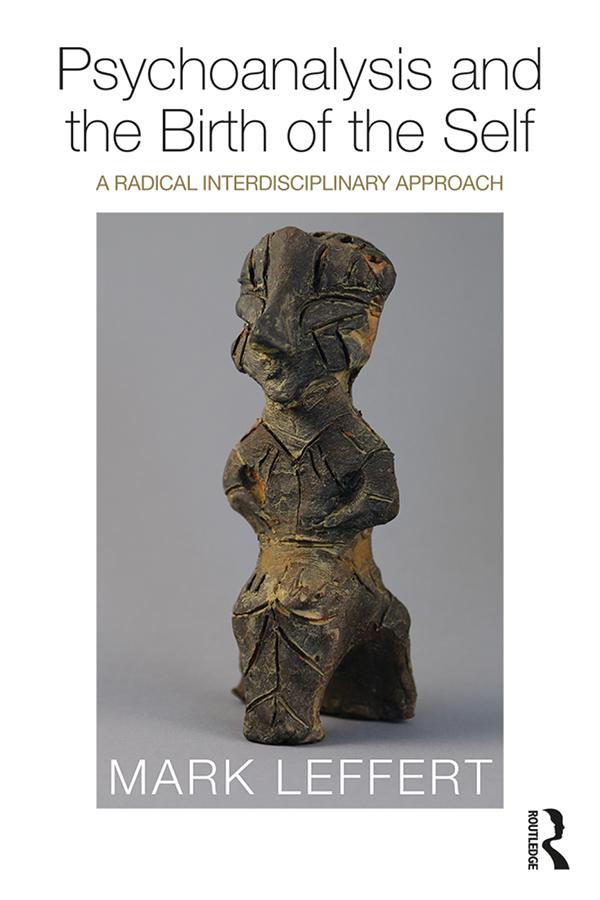
This book draws psychoanalysis out of unsubstantiated, hermeneutic speculation and into the science and philosophy of the Self. Mark Leffert offers a survey of where we as human beings come from, going back into prehistory and our development as individuals. Psychoanalysis and the Birth of the Self is written to provide psychoanalysts with interdisciplinary information drawn from fields that they may have had little access to.
Leffert undertakes a novel integration of topics not frequently discussed together, resulting in a radical critique of the theorization of psychoanalysis. The book begins by setting the story with a short analysis of the history of psychoanalysis. A new science has been founded on the recognition of the impossibility of separating evolution from development; it is called Evo-Devo. Applied to the human condition, it integrates development with palaeoanthropology and forms the basis for exploring such topics as the neurophilosophy of consciousness, the birth of the Self, and its neurodevelopment. It includes epigenetics in the conversation. Leffert then takes a radical turn, integrating the biological Evo-Devo of the Self with the study of its Existence that is, Existentialism and Phenomenology. The integration of these two threads, Evo-Devo and Existentialism offers a powerful and unique tool for exploring the Self. The author offers an innovative way of understanding an individual that pulls together their biology, their development, and the way they choose to exist in the world. It steps outside of the traditional ways of clinically understanding an individual not by abandoning them but rather by powerfully supplementing them.
Psychoanalysis and the Birth of the Self offers a novel, interdisciplinary braiding of disparate strands of knowledge that will be of interest to psychoanalysts as well as those in the disciplines of neuroscience, existentialism and phenomenology, and anthropology.
Pay easily by card, Klarna, Apple Pay or Google Pay. Not happy? You always have a 14-day money-back guarantee. Read more in our terms. If you have any questions, email us at hello@memmo.org.
Memmo makes studying easier – wherever you are in the world. We bring your course books and smart study tools together in one place: summaries, quizzes, podcasts and flashcards. Plus Ted, your study buddy who answers anything you wonder. Over 50,000 students already study here – built to help you learn faster and stress less.