
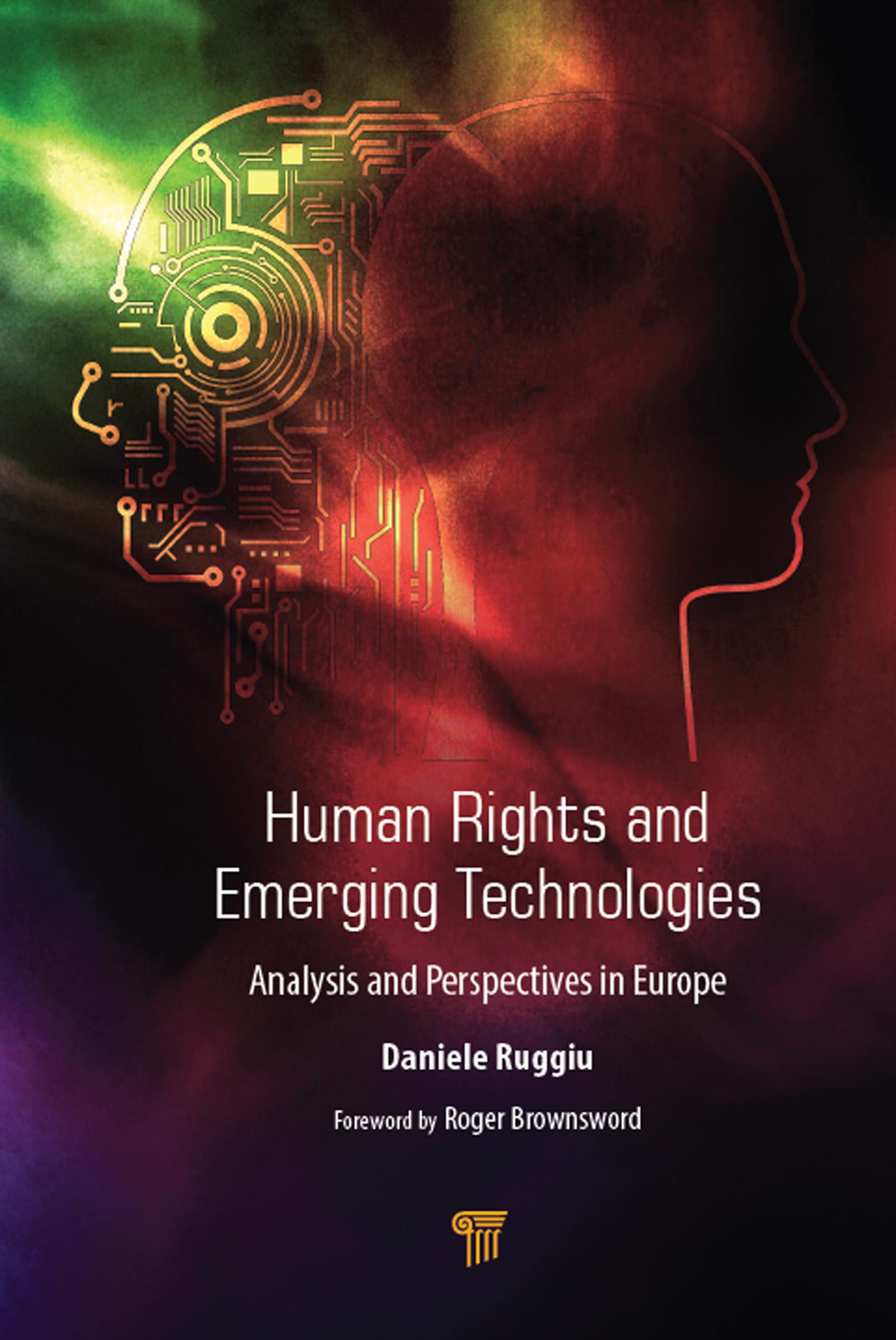
What is the state of current European governance on new and emerging technologies, and where is it going? What is, and what can be, the role of human rights in governance arrangements? These are the main questions that this book answers for both European and non-European scholars. It provides a wide picture of current European governance, notably in biotechnology, nanotechnology and synthetic biology, and discusses the model of Responsible Research and Innovation, which is gaining popularity within the European Union, under a human rights perspective. It shows how human rights can contribute to governance frameworks without posing obstacles to research and innovation.
The theory presented in the book is followed by practical guidelines drawn from human rights law. Starting from the Strasbourg Court jurisprudence, it provides a complete review of the wide range of rights that the European Convention on Human Rights protects in light of the challenges of techno-scientific advances. This analysis will come in handy for private actors, policymakers, regulators, as well as judges in solving hard cases raised by techno-scientific progress in the future.
Pay easily by card, Klarna, Apple Pay or Google Pay. Not happy? You always have a 14-day money-back guarantee. Read more in our terms. If you have any questions, email us at hello@memmo.org.
Memmo makes studying easier – wherever you are in the world. We bring your course books and smart study tools together in one place: summaries, quizzes, podcasts and flashcards. Plus Ted, your study buddy who answers anything you wonder. Over 50,000 students already study here – built to help you learn faster and stress less.