
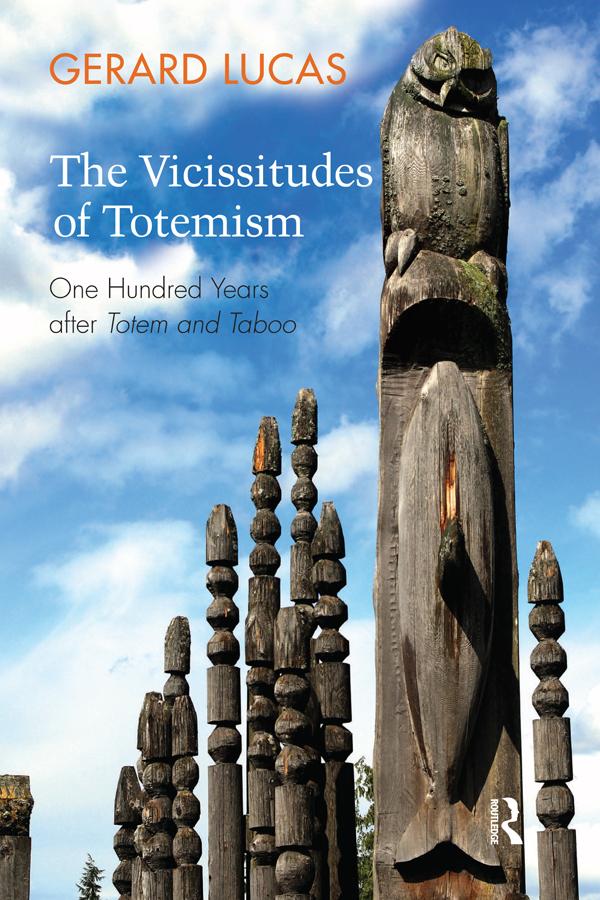
After being the subject of many studies up until 1914, totemism seemed to disappear from the literature. The publication of Freud’s work Totem and Taboo was initially greeted with silence, and subsequently with critical and hostile reactions. C. Lévi-Strauss was one of the few to devote a book to totemism but considered it as an illusion, although a number of prominent members of the English school of Social Anthropology contested this view, describing the direction adumbrated by Freud’s enquiry as “highly pertinent”. Totemism appears in Freud’s work as a way of dealing with one of the canonical forms of human destructiveness, namely parricide. Why did eminent men find it impossible to utilise Freud’s book and those studies that followed it in the interwar period? The mass murders in Nazi Germany and Stalinist Russia, however different they may have been, both generated a profound sense of horror that made their consequences largely unrepresentable for Europeans for more than thirty years. Did this delay, and the attitudes of the following generations towards authority, result from an unconscious logic of “resistance” aimed at re-establishing refusals that did not take place at the time? The Western world seems to have forgotten the strength of the mixed family ties of tribes, casts, and religions that are in fact at work in the psychic life of a great number of men and women in the world.
Pay easily by card, Klarna, Apple Pay or Google Pay. Not happy? You always have a 14-day money-back guarantee. Read more in our terms. If you have any questions, email us at hello@memmo.org.
Memmo makes studying easier – wherever you are in the world. We bring your course books and smart study tools together in one place: summaries, quizzes, podcasts and flashcards. Plus Ted, your study buddy who answers anything you wonder. Over 50,000 students already study here – built to help you learn faster and stress less.
You might also like
Buy the book0