
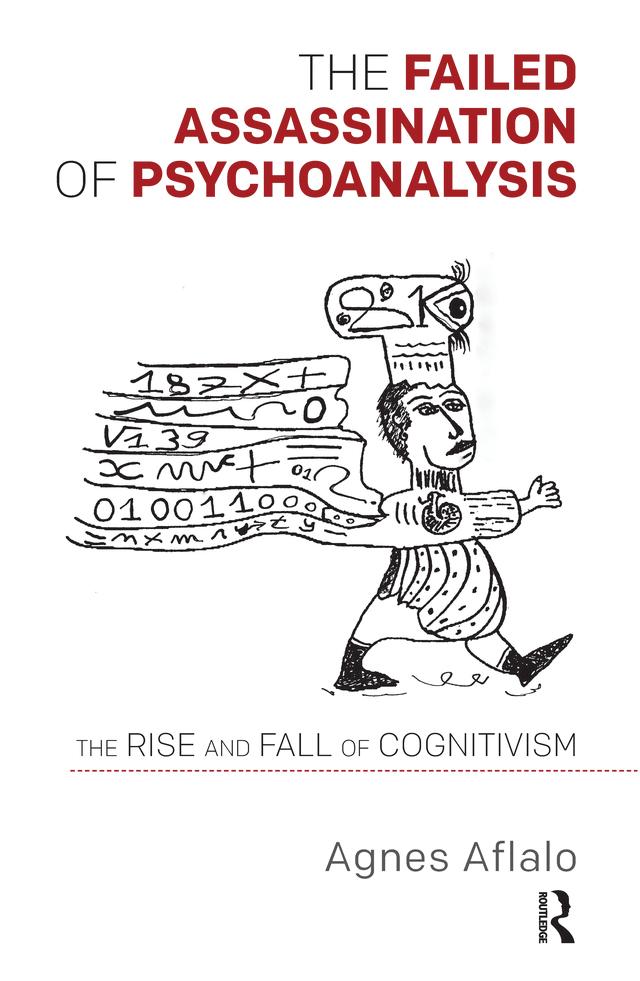
It can happen that a law incurs the wrath of the very people it set out to protect. This is what happened in France at the end of 2003 with the Accoyer Amendment, a Bill that intended to regulate the exercise of psychotherapies even at the cost of the disappearance of psychoanalysis itself. The public that this law was supposed to protect thus ran the risk of finding themselves stripped of certain freedoms that democracy usually guarantees. How had it become possible to reach such a point? This is what this book sets out to examine. Evaluation and cognitive-behavioural scientism, which have been progressively infiltrating different forms of knowledge with destructive effect, undoubtedly played a major role. And then, the International Psychoanalytical Association, despite having been founded by Freud to protect his invention, started to endorse the forced cognitivisation of psychoanalysis. Meanwhile, psychiatry slid back into its nineteenth century hygienic obscurantism and its new recruit, epidemiology, began playing host to racialist discourses.
Pay easily by card, Klarna, Apple Pay or Google Pay. Not happy? You always have a 14-day money-back guarantee. Read more in our terms. If you have any questions, email us at hello@memmo.org.
Memmo makes studying easier – wherever you are in the world. We bring your course books and smart study tools together in one place: summaries, quizzes, podcasts and flashcards. Plus Ted, your study buddy who answers anything you wonder. Over 50,000 students already study here – built to help you learn faster and stress less.