
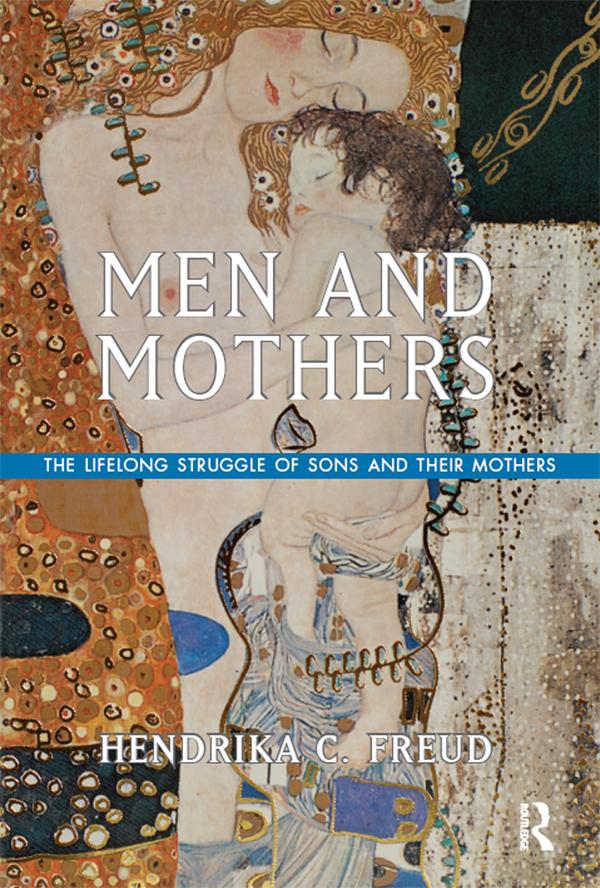
Not all men vie with their fathers for the love of their mothers. In some families the mother becomes the central figure for her son - the father is excluded (or excludes himself) and does not come between mother and son. The main thesis of this book - using clinical vignettes and quotes from the work of Marcel Proust to illustrate the author's points - is that in these cases fantasies of matricide replace patricide. Men develop their male gender identity by being permitted to separate from their mother early on, but when a man does not resolve his infantile tie to his mother he risks remaining in a passive and/or dependent position towards her. Over-identification with the mother might ensue, hampering masculine development. Mothers who seek emotional support by binding their sons too closely can become seductive towards them. The child is inclined to try to satisfy the emotional needs of his mother, and he fears rejection if he asserts his independence instead of complying.
Pay easily by card, Klarna, Apple Pay or Google Pay. Not happy? You always have a 14-day money-back guarantee. Read more in our terms. If you have any questions, email us at hello@memmo.org.
Memmo makes studying easier – wherever you are in the world. We bring your course books and smart study tools together in one place: summaries, quizzes, podcasts and flashcards. Plus Ted, your study buddy who answers anything you wonder. Over 50,000 students already study here – built to help you learn faster and stress less.
You might also like
Buy the book0