
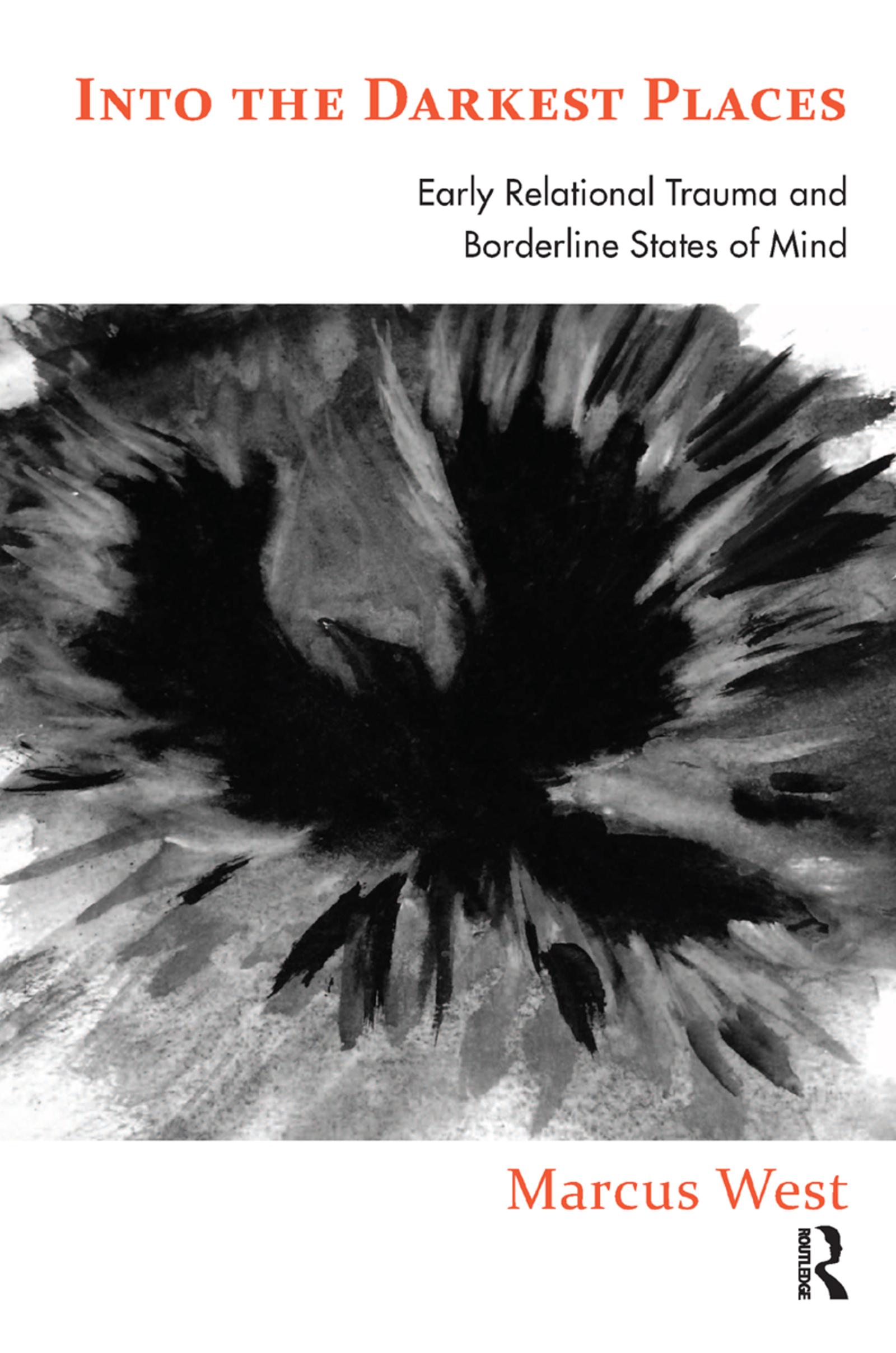
This book explores the roots of borderline states of mind in early relational trauma and shows how it is possible, and necessary, to visit 'the darkest places' in order to work through these traumas. This is despite the fact that re-experiencing such traumas is unbearable for the patient and they naturally want to enlist the analyst in ensuring that they will never be experienced again. This is the backdrop for the extreme pressures and roles that are constellated in the analysis that can lead to impasse or breakdown of the analytic relationship. The author explores how these areas can be negotiated safely and that, whilst drawing heavily on recent developments in attachment, relational, trauma and infant development theory, an analytic attitude needs to be maintained in order to integrate these experiences and allow the individual to feel, finally, accepted and whole. The book builds on Freud's views of repetition compulsion and re-enactment and develops Jung's concept of the traumatic complex.
Pay easily by card, Klarna, Apple Pay or Google Pay. Not happy? You always have a 14-day money-back guarantee. Read more in our terms. If you have any questions, email us at hello@memmo.org.
Memmo makes studying easier – wherever you are in the world. We bring your course books and smart study tools together in one place: summaries, quizzes, podcasts and flashcards. Plus Ted, your study buddy who answers anything you wonder. Over 50,000 students already study here – built to help you learn faster and stress less.
You might also like
Buy the book0