
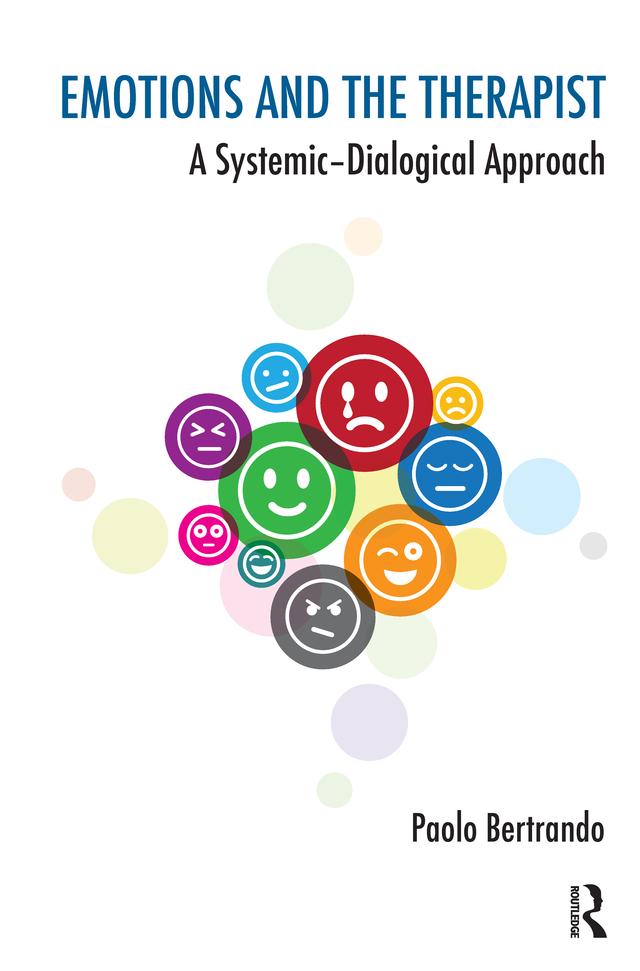
In recent years, systemic theory and practice adopted a dialogical orientation, centred on the persons of the therapist and client. This has led to a growing attention toward emotions, which, in this book, is developed in terms of emotional systems. An emotional system in therapy may be viewed as the sum of the emotions existing and interacting in people's lives. Relevant changes in life happen when emotional stances and sequences change within the system, leading, for example, to a greater sense of agency or hope, or to a different perception of the situation. This book looks at emotions within human systems in terms of dominant and silent emotions, which shape and are shaped by human relationships, and may be played in several ways according to reciprocal emotional positioning. The therapist uses his or her own feeling, and understanding of the emotions within the therapeutic dialogue, in order to create hypotheses and new dialogues which allow change.
Pay easily by card, Klarna, Apple Pay or Google Pay. Not happy? You always have a 14-day money-back guarantee. Read more in our terms. If you have any questions, email us at hello@memmo.org.
Memmo makes studying easier – wherever you are in the world. We bring your course books and smart study tools together in one place: summaries, quizzes, podcasts and flashcards. Plus Ted, your study buddy who answers anything you wonder. Over 50,000 students already study here – built to help you learn faster and stress less.
You might also like
Buy the book0