
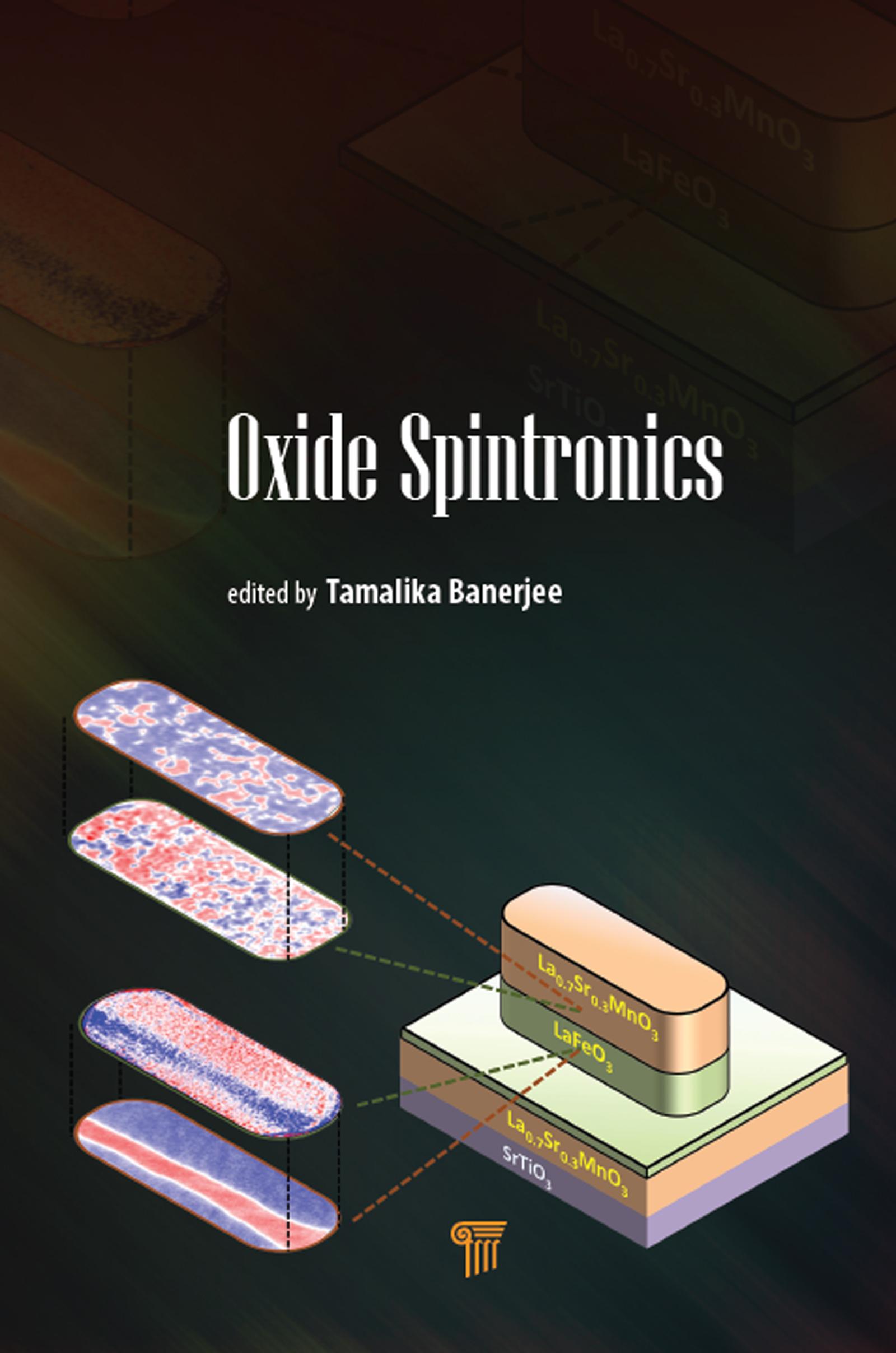
Oxide materials have been used in mainstream semiconductor technology for several decades and have served as important components, such as gate insulators or capacitors, in integrated circuits. However, in recent decades, this material class has emerged in its own right as a potential contender for alternative technologies, generally designated as ‘beyond Moore’. The 2004 discovery by Ohtomo and Hwang was a global trendsetter in this context. It involved observing a two-dimensional, high-mobility electron gas at the heterointerface between two insulating oxides, LaAlO3 and SrTiO3, supported by the rise of nascent deposition and growth-monitoring techniques, which was an important direction in materials science research. The quest to understand the origin of this unparalleled physical property and to find other emergent properties has been an active field of research in condensed matter that has united researchers with expertise in diverse fields such as thin-film growth, defect control, advanced microscopy, semiconductor technology, computation, magnetism and electricity, spintronics, nanoscience, and nanotechnology.
Pay easily by card, Klarna, Apple Pay or Google Pay. Not happy? You always have a 14-day money-back guarantee. Read more in our terms. If you have any questions, email us at hello@memmo.org.
Memmo makes studying easier – wherever you are in the world. We bring your course books and smart study tools together in one place: summaries, quizzes, podcasts and flashcards. Plus Ted, your study buddy who answers anything you wonder. Over 50,000 students already study here – built to help you learn faster and stress less.