
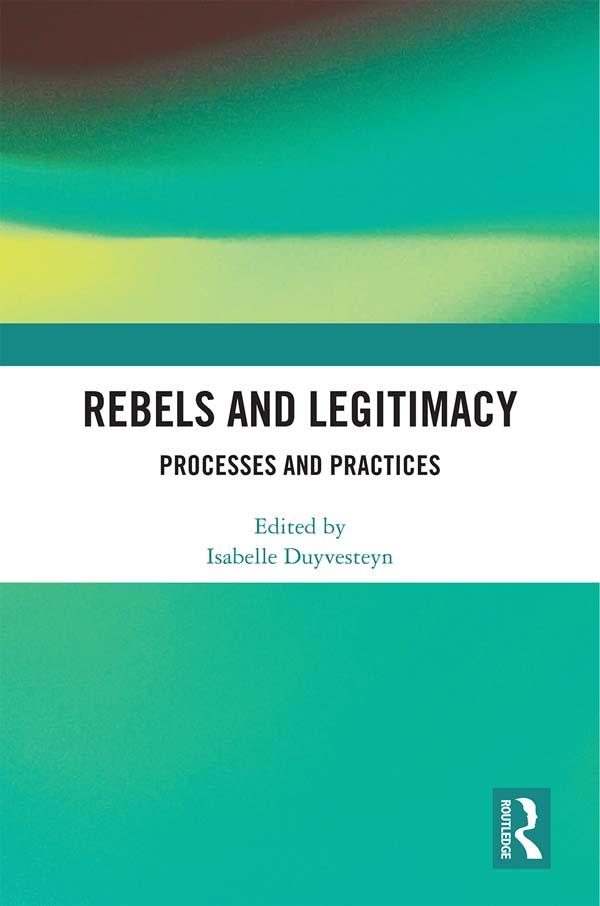
Legitimacy is generally a term that is associated with the state. The term surfaces when there are problems with state legitimacy—when it is lacking or absent. This present volume attempts to think through the relevance of the concept of legitimacy for other political actors than the state. Rebel groups, in the shape of insurgents, terrorists, warlords and guerrillas, are all engaged in a process of claim making as legitimate actors representing certain political agendas and constituencies. We are interested in dissecting the processes of the emergence of legitimacy in contexts of disorder and conflict. Legitimacy is not only a belief or belief system that informs social action, but it is also a practice with a repertoire of legitimacy claiming, reinforcing, copying and emulating elements. Governance provision is an important legitimacy generating activity, just as it has been in the formation of states. The volume, however, points out that there are many more aspects to legitimacy that deserve attention. The contributors draw on a wide variety of cases and in-depth investigation to bring forward individual and micro-level dynamics related to legitimacy claims, as well as bringing forward the often-times problematic role of external actors when it comes to legitimacy and illegitimacy dynamics.
The chapters in this book were originally published in a special issue of Small Wars & Insurgencies.
Pay easily by card, Klarna, Apple Pay or Google Pay. Not happy? You always have a 14-day money-back guarantee. Read more in our terms. If you have any questions, email us at hello@memmo.org.
Memmo makes studying easier – wherever you are in the world. We bring your course books and smart study tools together in one place: summaries, quizzes, podcasts and flashcards. Plus Ted, your study buddy who answers anything you wonder. Over 50,000 students already study here – built to help you learn faster and stress less.