
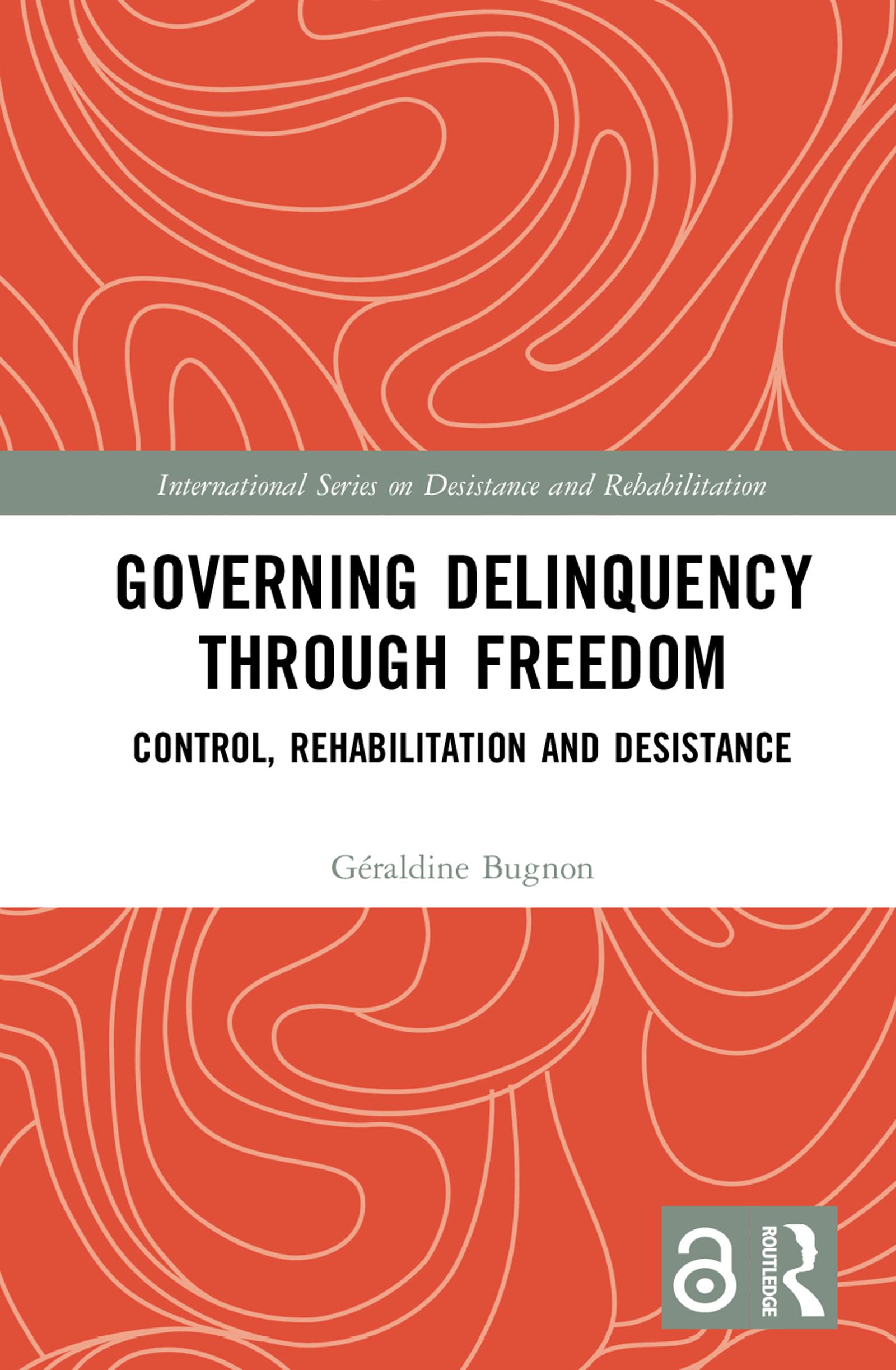
This book analyses the non-custodial government of young offenders in two major cities in Brazil. In doing so, it delves into the paradox of an institution exerting control over youths while at the same time promoting their autonomy and responsibility. The study sheds light on the specific logics of power, control, and inequality produced by such institutional settings.
The book’s analysis is based on an ethnographic study of ‘Assisted Freedom’ (Liberdade Assistida) – a form of probation – in the Brazilian cities of Rio de Janeiro and Belo Horizonte. This particular context – which is characterized by endemic violent crime, on the one hand, and a highly protective juvenile justice system, on the other – sheds productive light on the contradictions of juvenile justice systems and other public policies based on the values of citizenship, autonomy, and responsibilization. The analysis takes the form of an inverted zoom structure: it begins by looking at cognitive and interactional processes at the level of interpersonal relationships between youths and professionals, and then works its way up to examine ties outside the institution itself, with schools, the labour market, and juvenile courts.
Written in a clear and direct style, this book will appeal to students and scholars in criminology, sociology, cultural studies, and social theory and those interested in learning about non-custodial measures and the regulation of juvenile delinquency.
Pay easily by card, Klarna, Apple Pay or Google Pay. Not happy? You always have a 14-day money-back guarantee. Read more in our terms. If you have any questions, email us at hello@memmo.org.
Memmo makes studying easier – wherever you are in the world. We bring your course books and smart study tools together in one place: summaries, quizzes, podcasts and flashcards. Plus Ted, your study buddy who answers anything you wonder. Over 50,000 students already study here – built to help you learn faster and stress less.