
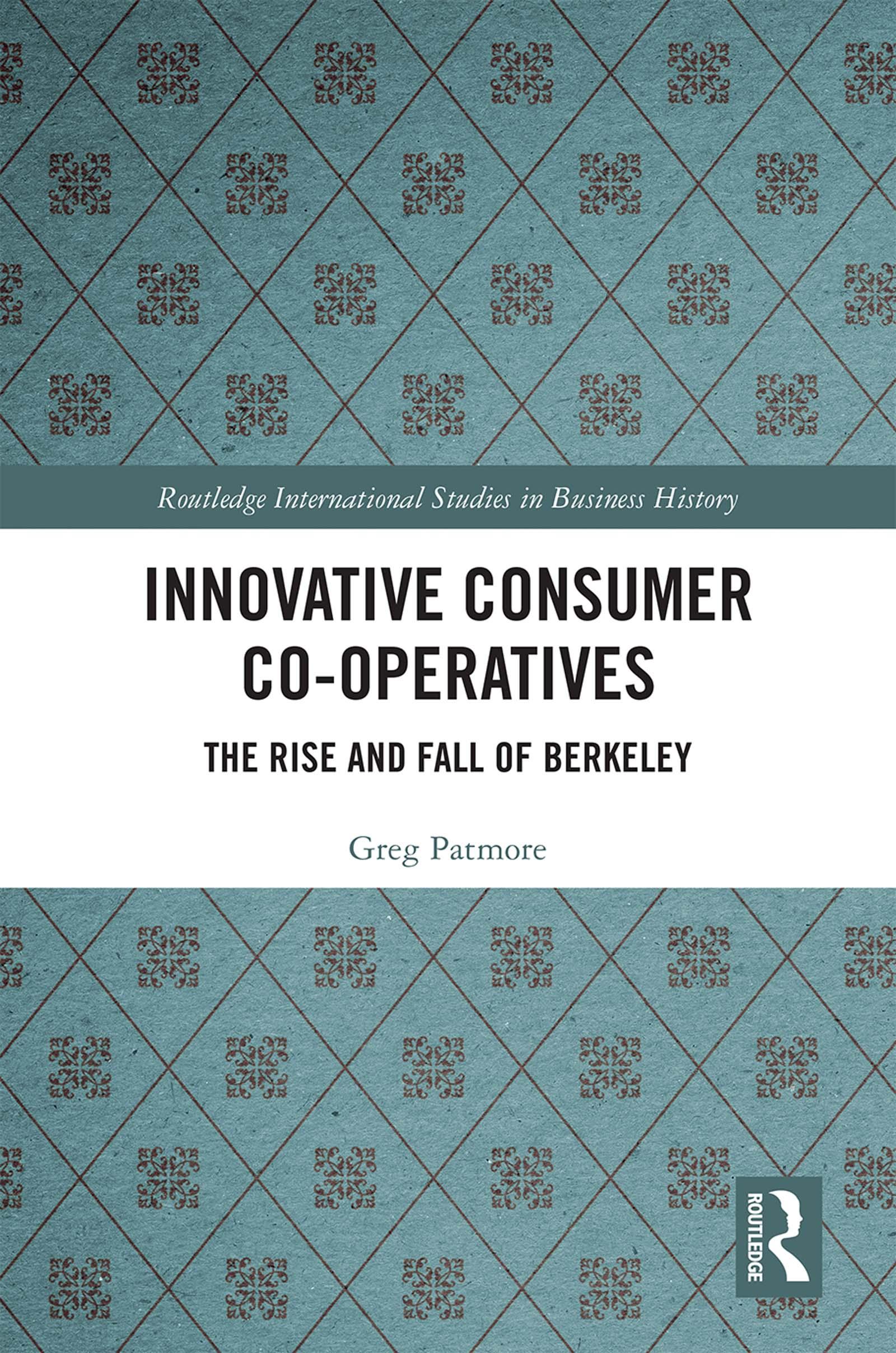
Consumer co-operatives provide a different approach to organizing business through their ideals of member ownership and democratic practice. Every co-operative member has an equal vote regardless of his or her own personal capital investment. The co-operative movement can also be an important force in promoting development and self-sufficiency in poorer areas, particularly in non-industrialised countries.
This book explores in depth the fortunes of the Berkeley Consumer Co-operative, which became the largest consumer co-operative in the United States with 116,000 members in 1984 and viewed nationally as a leader in innovative retail practices and a champion of consumer rights. The Berkeley Consumer Co-operative is promoted by both supporters and opponents of the co-operative business model as a significant example of what can go wrong with the co-operatives.
This book will provide the first in depth analysis of the history of the Berkeley Co-operative using its substantial but little used archives and oral histories to explore what the Berkeley experience means for the co-operative business model. The specific chapters relating to Berkeley will be organised around particular themes to highlight the issues relating to the co-operative business model and the local context of Berkeley. The themes relate to developments in Berkeley and the Bay Area in terms of the economy, politics and the retail environment; the management of the Berkeley co-operative, looking at governance, financial management and strategic decisions; relationship of management with members and employees; and finally, the relationship of the Berkeley Co-operative with the community.
The core message of the book is that it is not inevitable that consumer co-operatives fail, but that the story of Berkeley story can provide insights that can strengthen the co-operative business model and minimise failures on the scale of Berkeley occurring in the future.
Pay easily by card, Klarna, Apple Pay or Google Pay. Not happy? You always have a 14-day money-back guarantee. Read more in our terms. If you have any questions, email us at hello@memmo.org.
Memmo makes studying easier – wherever you are in the world. We bring your course books and smart study tools together in one place: summaries, quizzes, podcasts and flashcards. Plus Ted, your study buddy who answers anything you wonder. Over 50,000 students already study here – built to help you learn faster and stress less.