
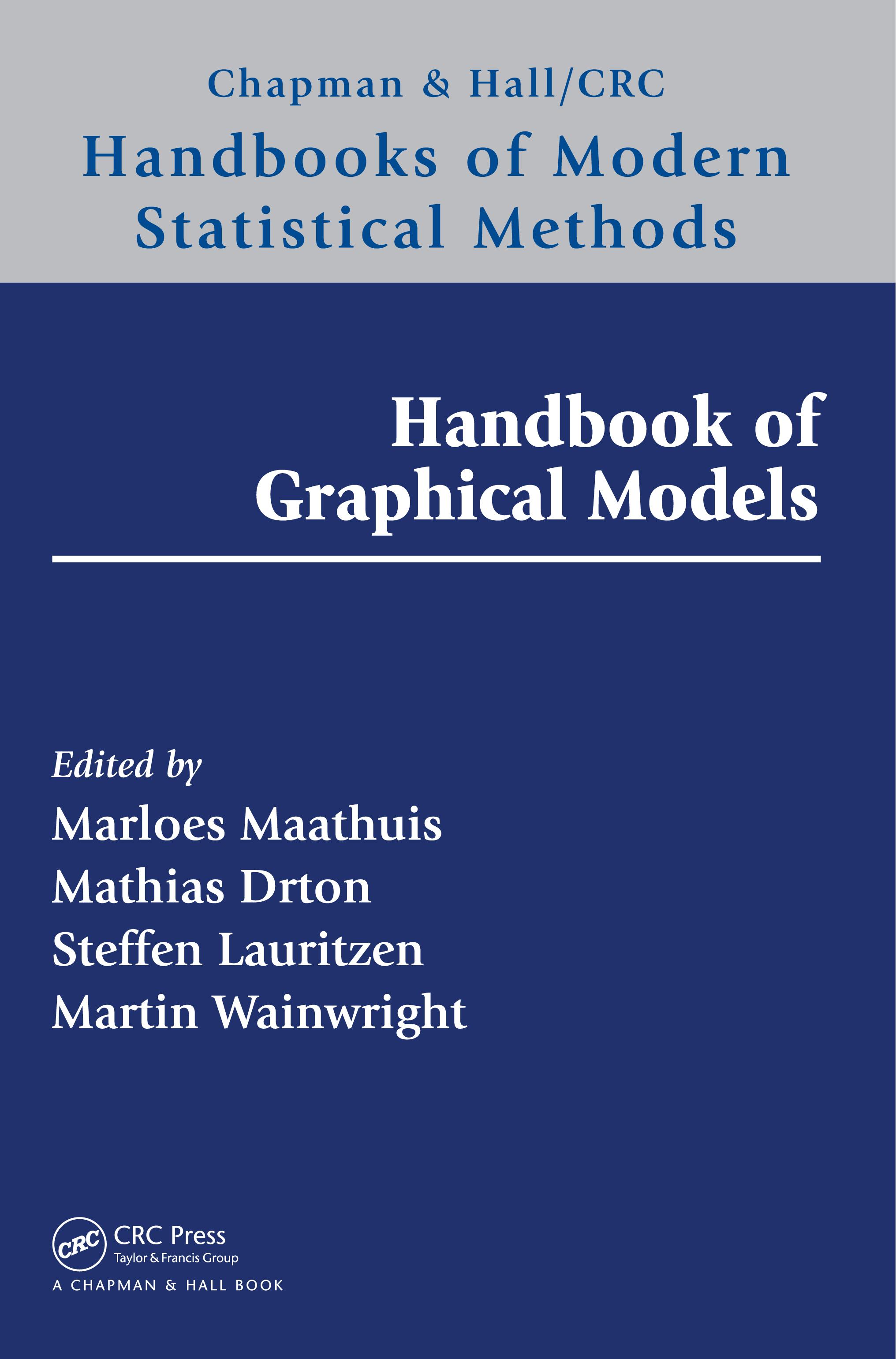
A graphical model is a statistical model that is represented by a graph. The factorization properties underlying graphical models facilitate tractable computation with multivariate distributions, making the models a valuable tool with a plethora of applications. Furthermore, directed graphical models allow intuitive causal interpretations and have become a cornerstone for causal inference.
While there exist a number of excellent books on graphical models, the field has grown so much that individual authors can hardly cover its entire scope. Moreover, the field is interdisciplinary by nature. Through chapters by leading researchers from different areas, this handbook provides a broad and accessible overview of the state of the art.
Key features:
* Contributions by leading researchers from a range of disciplines
* Structured in five parts, covering foundations, computational aspects, statistical inference, causal inference, and applications
* Balanced coverage of concepts, theory, methods, examples, and applications
* Chapters can be read mostly independently, while cross-references highlight connections
The handbook is targeted at a wide audience, including graduate students, applied researchers, and experts in graphical models.
Pay easily by card, Klarna, Apple Pay or Google Pay. Not happy? You always have a 14-day money-back guarantee. Read more in our terms. If you have any questions, email us at hello@memmo.org.
Memmo makes studying easier – wherever you are in the world. We bring your course books and smart study tools together in one place: summaries, quizzes, podcasts and flashcards. Plus Ted, your study buddy who answers anything you wonder. Over 75,000 students already study here – built to help you learn faster and stress less.