
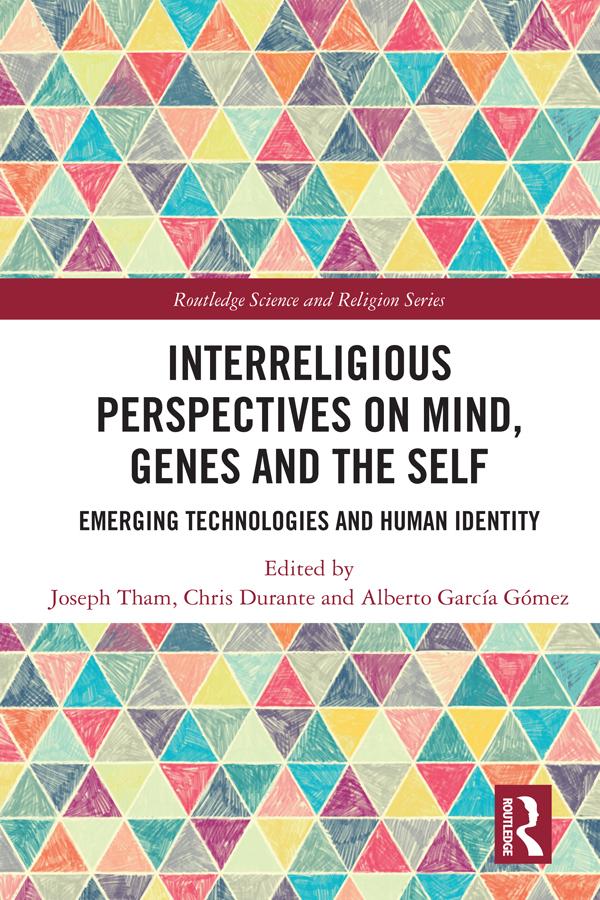
Attitudes towards science, medicine and the body are all profoundly shaped by people’s worldviews. When discussing issues of bioethics, religion often plays a major role. In this volume, the role of genetic manipulation and neurotechnology in shaping human identity is examined from multiple religious perspectives. This can help us to understand how religion might affect the impact of the initiatives such as the UNESCO Declaration in Bioethics and Human Rights.
The book features bioethics experts from six major religions: Buddhism, Confucianism, Christianity, Islam, Hinduism, and Judaism. It includes a number of distinct religious and cultural views on the anthropological, ethical and social challenges of emerging technologies in the light of human rights and in the context of global bioethics. The contributors work together to explore issues such as: cultural attitudes to gene editing; neuroactive drugs; the interaction between genes and behaviours; the relationship between the soul, the mind and DNA; and how can clinical applications of these technologies benefit the developing world.
This is a significant collection, demonstrating how religion and modern technologies relate to one another. It will, therefore, be of great interest to academics working in bioethics, religion and the body, interreligious dialogue, and religion and science, technology and neuroscience.
Pay easily by card, Klarna, Apple Pay or Google Pay. Not happy? You always have a 14-day money-back guarantee. Read more in our terms. If you have any questions, email us at hello@memmo.org.
Memmo makes studying easier – wherever you are in the world. We bring your course books and smart study tools together in one place: summaries, quizzes, podcasts and flashcards. Plus Ted, your study buddy who answers anything you wonder. Over 50,000 students already study here – built to help you learn faster and stress less.