
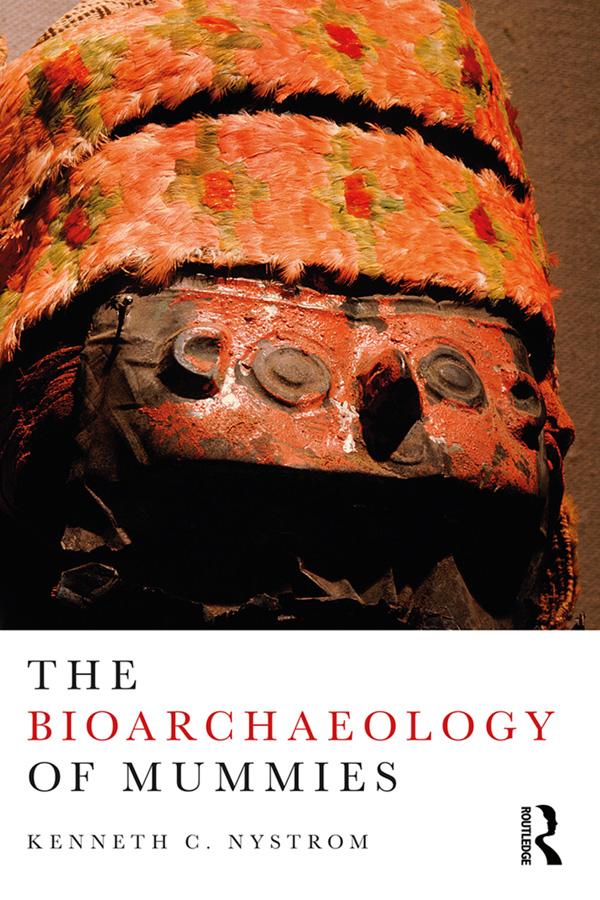
The modern manifestation of mummy studies began to take shape in the 1970s and has experienced significant growth during the last several decades, largely due to biomedical interest in soft tissue pathology. Although this points to a vibrant field, there are indications that we need to take stock of where it is today and how it may develop in the future, and this volume responds to those demands. In many ways, mummy studies and skeletal bioarchaeology are "sister-disciplines," sharing data sources, methodologies, and practitioners. Given these close connections, this book considers whether paradigmatic shifts that influenced the development of the latter also impacted the former.
Whilst there are many available books discussing mummy research, most recent field-wide reviews adopt a biomedical perspective to explore a particular mummy or collection of mummies. The Bioarchaeology of Mummies is a unique attempt at a synthetic, state-of-the-field critical analysis which considers the field from an explicitly anthropological perspective.
This book is written for both skeletal bioarcheologists that may not be familiar with the scope of mummy research, and mummy researchers from biomedical fields that may not be as acquainted with current research trends within bioarchaeology.
Pay easily by card, Klarna, Apple Pay or Google Pay. Not happy? You always have a 14-day money-back guarantee. Read more in our terms. If you have any questions, email us at hello@memmo.org.
Memmo makes studying easier – wherever you are in the world. We bring your course books and smart study tools together in one place: summaries, quizzes, podcasts and flashcards. Plus Ted, your study buddy who answers anything you wonder. Over 75,000 students already study here – built to help you learn faster and stress less.