
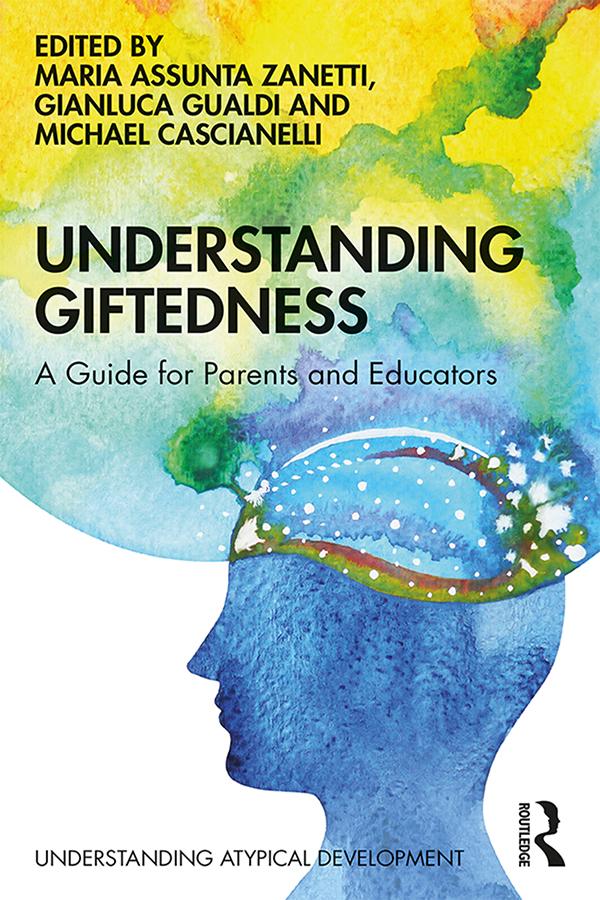
This concise, accessible guide explores the different models behind the concept of giftedness, examining the criteria for evaluating and identifying gifted children, in order to provide a deeper understanding of the lives of children and young people with high cognitive potential. It offers practical advice to parents and teachers, highlighting common queries and misconceptions and presenting evidence-based suggestions for management methods.
Key topics covered include the difference between being gifted and talented, how to identify a gifted child, neurological differences between gifted children and their peers, dealing with perfectionism, and the best ways to parent and teach a gifted child. Avoiding prescriptive rules, the authors emphasise the importance of knowing and understanding the individual child whilst utilising research around giftedness to promote the best possible outcomes. Illustrated with case studies of student and teacher perspectives, the book offers an inclusive perspective and practical strategies, whereby the development of individual potential is viewed not only as a way to promote the psychological well-being of the individual but also as an opportunity and benefit for society.
Understanding Giftedness is essential reading for parents and caregivers, as well as practitioners in clinical and educational psychology, counselling, mental health, nursing, child welfare, public healthcare and those in education who want to help young people develop their talents and achieve their full potential.
Pay easily by card, Klarna, Apple Pay or Google Pay. Not happy? You always have a 14-day money-back guarantee. Read more in our terms. If you have any questions, email us at hello@memmo.org.
Memmo makes studying easier – wherever you are in the world. We bring your course books and smart study tools together in one place: summaries, quizzes, podcasts and flashcards. Plus Ted, your study buddy who answers anything you wonder. Over 50,000 students already study here – built to help you learn faster and stress less.