
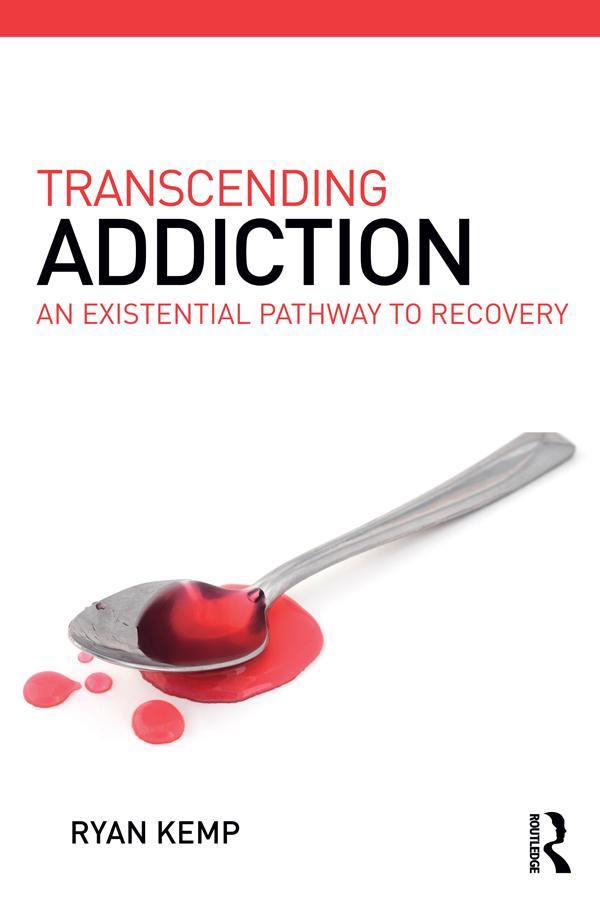
Addiction is often thought about in terms of cause, be that brain chemistry, attachment patterns or cognitive schemas. But this does not allow an understanding of what addiction "is". It does not illuminate how addiction is lived. A phenomenology of addiction reveals that addiction is characterised by an intolerance of pain, a pursuit of pleasure, immediacy, technocratic solutions, alienation, ambiguity and is drenched in deception. These are its individual clinical manifestations, but this is also the way life, in this century, is lived. The addict is thus the ultimate 21st century subject, consuming without end, intolerant of emotion and unable to grasp their own limitations. Rather than embraced, these subjects act as a denied symptom, haunting late capitalism and exposing the vampire-like nature of our culture. As such, these subjects need to be treated not just as individuals who have "gone too far", but as victims of the political agenda shaping our lives. Thus the heart of the book is a description of addiction deepened by existential-phenomenological theory. This description is then used to understand the historical emergence of addiction, its socio-political manifestation and also the crucial issue of how to clinically treat the addict-subject.
Pay easily by card, Klarna, Apple Pay or Google Pay. Not happy? You always have a 14-day money-back guarantee. Read more in our terms. If you have any questions, email us at hello@memmo.org.
Memmo makes studying easier – wherever you are in the world. We bring your course books and smart study tools together in one place: summaries, quizzes, podcasts and flashcards. Plus Ted, your study buddy who answers anything you wonder. Over 50,000 students already study here – built to help you learn faster and stress less.
You might also like
Buy the book0