
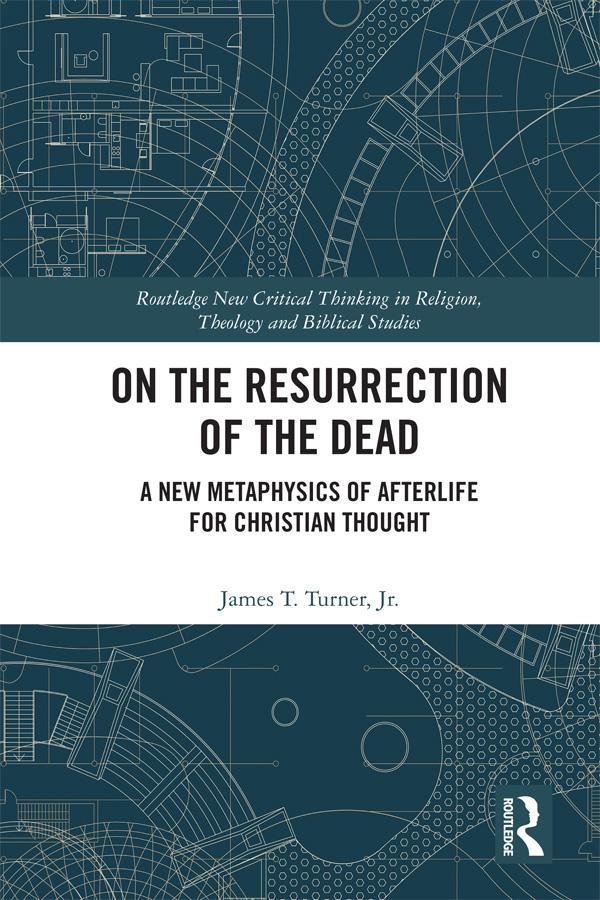
Christian tradition has largely held three theological affirmations on the resurrection of the physical body. Firstly, that bodily resurrection is not a superfluous hope of afterlife. Secondly, there is immediate post-mortem existence in Paradise. Finally, there is numerical identity between pre-mortem and post-resurrection human beings. The same tradition also largely adheres to a robust doctrine of The Intermediate State, a paradisiacal disembodied state of existence following the biological death of a human being. This book argues that these positions are in fact internally inconsistent, and so a new theological model for life after death is required.
The opening arguments of the book aim to show that The Intermediate State actually undermines the necessity of bodily resurrection. Additionally, substance dualism, a principle The Intermediate State requires, is shown to be equally untenable in this context. In response to this, the metaphysics of the afterlife in Christian theology is re-evaluated, and after investigating physicalist and constitutionist replacements for substance dualist metaphysics, a new theory called "Eschatological Presentism" is put forward. This model combines a broadly Thomistic hylemorphic metaphysics with a novel theory of Time.
This is an innovative examination of the doctrine of life after death. It will, therefore, be of great interest to scholars of analytic theology and philosophy of religion.
Pay easily by card, Klarna, Apple Pay or Google Pay. Not happy? You always have a 14-day money-back guarantee. Read more in our terms. If you have any questions, email us at hello@memmo.org.
Memmo makes studying easier – wherever you are in the world. We bring your course books and smart study tools together in one place: summaries, quizzes, podcasts and flashcards. Plus Ted, your study buddy who answers anything you wonder. Over 50,000 students already study here – built to help you learn faster and stress less.