
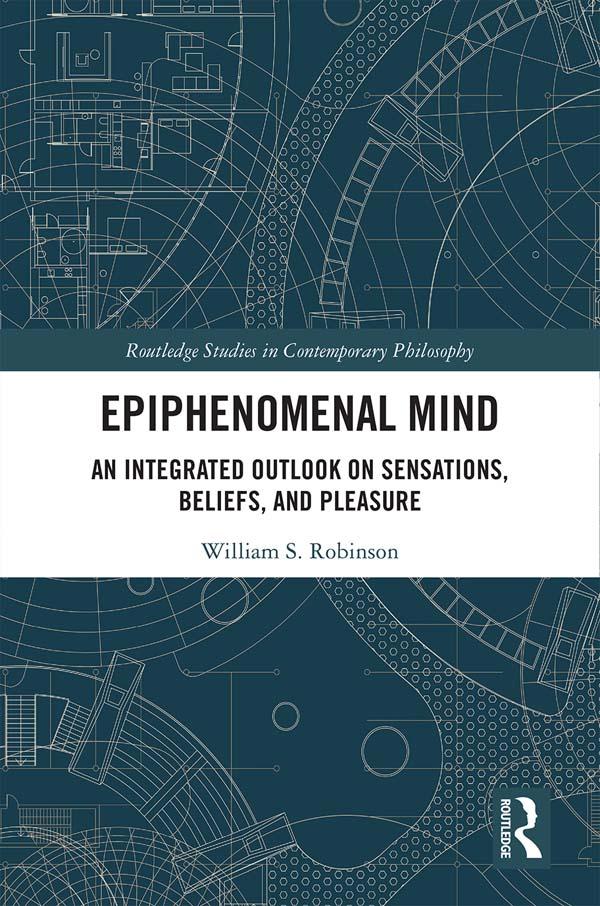
According to epiphenomenalism, our behavior is caused by events in our brains that also cause our mentality. This resulting mentality reflects our brains’ organization, but does not in turn cause anything. This book defends an epiphenomenalist account of philosophy of mind. It builds on the author’s previous work by moving beyond a discussion of sensations to apply an epiphenomenalist outlook to other aspects of mental causation such as beliefs, desires, pleasure, and displeasure. The first four chapters of the book argue for a dualistic theory of sensations and develop an epiphenomenalist version of dualism. The remaining chapters discuss propositional attitudes and valence. The author also responds to potential objections to epiphenomenalism by considering how sensations, intelligence, or understanding might be built into a robot. This book will be of interest to scholars and students in philosophy of mind who are interested in consciousness, mental causation, and how our mentality is situated in the world.
Pay easily by card, Klarna, Apple Pay or Google Pay. Not happy? You always have a 14-day money-back guarantee. Read more in our terms. If you have any questions, email us at hello@memmo.org.
Memmo makes studying easier – wherever you are in the world. We bring your course books and smart study tools together in one place: summaries, quizzes, podcasts and flashcards. Plus Ted, your study buddy who answers anything you wonder. Over 50,000 students already study here – built to help you learn faster and stress less.