
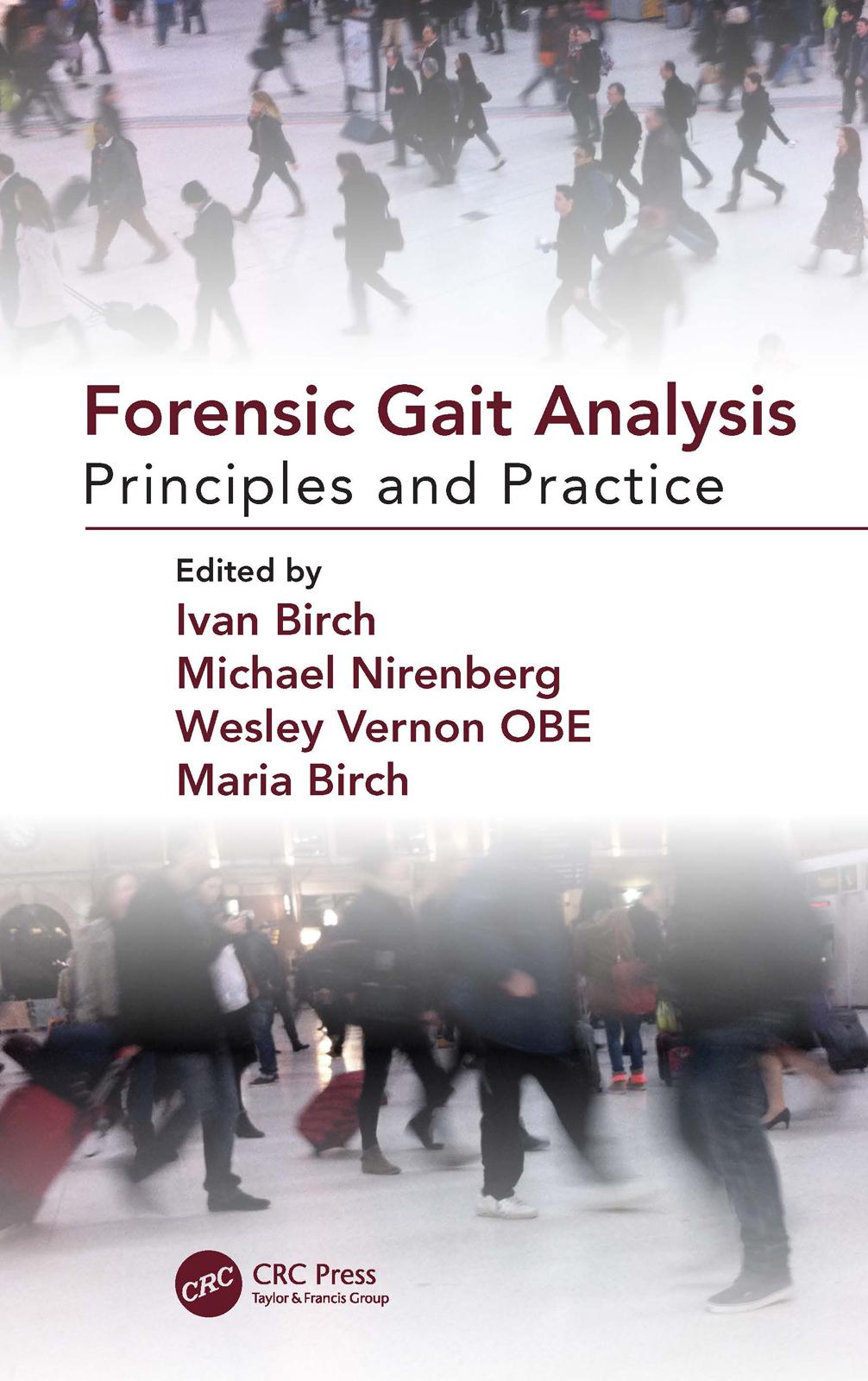
Gait analysis is the systematic study of human walking, using the eye and brain of experienced observers, augmented by instrumentation for measuring body movements, body mechanics, and the activity of the muscles. Since Aristotle’s work on gait analysis more than 2000 years ago, it has become an established clinical science used extensively in the healthcare and rehabilitation fields for diagnosis and treatment.
Forensic Gait Analysis details the more recent, and rapidly developing, use of gait analysis in the forensic sciences. The book considers the use of observational gait analysis, based on video recordings, to assist in the process of identification or exclusion. With the increase in use of CCTV and surveillance systems over the last 20 to 30 years, there has been a steady and rapid increase in the use of gait as evidence. Currently, gait analysis is widely used in the UK in criminal investigations, with increasing awareness of its potential use in the US, Europe, and globally.
The book details the history of the science, current practices, and of the emergent application to establish best-practice standards that conform to those of other forensic science disciplines. Engagement with the Forensic Science Regulator, and the Chartered Society of Forensic Sciences in the UK, and the International Association for Identification has helped to ensure and enhance the quality assurance of forensic gait analysis. However, there remains a fundamental lack of standardized training and methodology for use in evidentiary and investigative casework. This book fills that void, serving as one of the first to describe the current state of practice, capabilities and limitations, and to outline methods, standards of practice and expectations of the gait analyst as a forensic practitioner.
Forensic Gait Analysis reflects current research and forensic practice and will serve as a state-of-the-art guide to the use of gait analysis in the forensic context—for both education and training purposes. It will be a welcome addition to the libraries of professionals in the areas of podiatry, gait analysis, forensic video analysis, law enforcement, and legal practice.
Pay easily by card, Klarna, Apple Pay or Google Pay. Not happy? You always have a 14-day money-back guarantee. Read more in our terms. If you have any questions, email us at hello@memmo.org.
Memmo makes studying easier – wherever you are in the world. We bring your course books and smart study tools together in one place: summaries, quizzes, podcasts and flashcards. Plus Ted, your study buddy who answers anything you wonder. Over 50,000 students already study here – built to help you learn faster and stress less.