
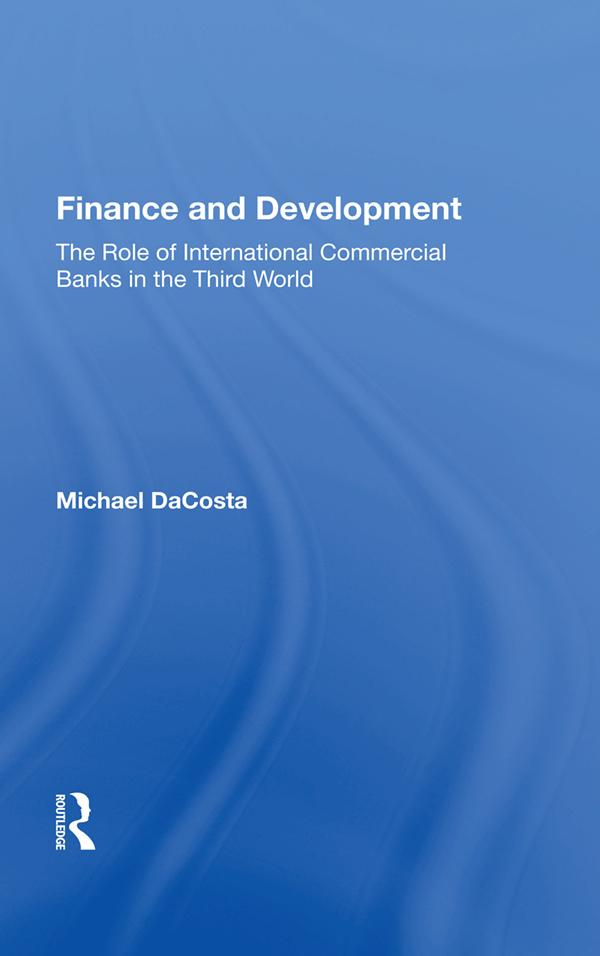
Although commercial banks have played an increasingly important role in providing capital to developing nations, many analysts argue that private financing poses risks both to borrowing nations and the stability of the international economic system. In response, Mr. DaCosta demonstrates that developing nations that adopt appropriate policies can gain substantially by drawing on private sources of capital. His analysis indicates that many criticisms of the role of commercial banks are unfounded and that debt problems in LDCs typically are related to inadequate reserve and external debt management policies in the borrowing countries themselves. Emphasizing that economic growth in LDCs often is constrained by balance-of-payment deficits, Mr. DaCosta shows that nations relying on private capital frequently experience higher-than-average growth rates and argues that the advantages of unconditional or untied aid generally outweigh the constraints imposed by the multilateral aid agencies. In conclusion, he outlines specific policies developing nations can adopt to reduce financial risk and, turning to the needs of the poorest of the LDCs, examines a variety of proposals aimed at increasing the flow of concessional assistance to those countries that cannot qualify for commercial bank funds.
Pages: 175
Category: Ekonomi & Utveckling
e-ISBN: 9780429716850
Shipping weight: 1.2 kg
Ships in: 1-2 days
Pay easily by card, Klarna, Apple Pay or Google Pay. Not happy? You always have a 14-day money-back guarantee. Read more in our terms. If you have any questions, email us at hello@memmo.org.
Memmo makes studying easier – wherever you are in the world. We bring your course books and smart study tools together in one place: summaries, quizzes, podcasts and flashcards. Plus Ted, your study buddy who answers anything you wonder. Over 50,000 students already study here – built to help you learn faster and stress less.
You might also like
Buy the book0