
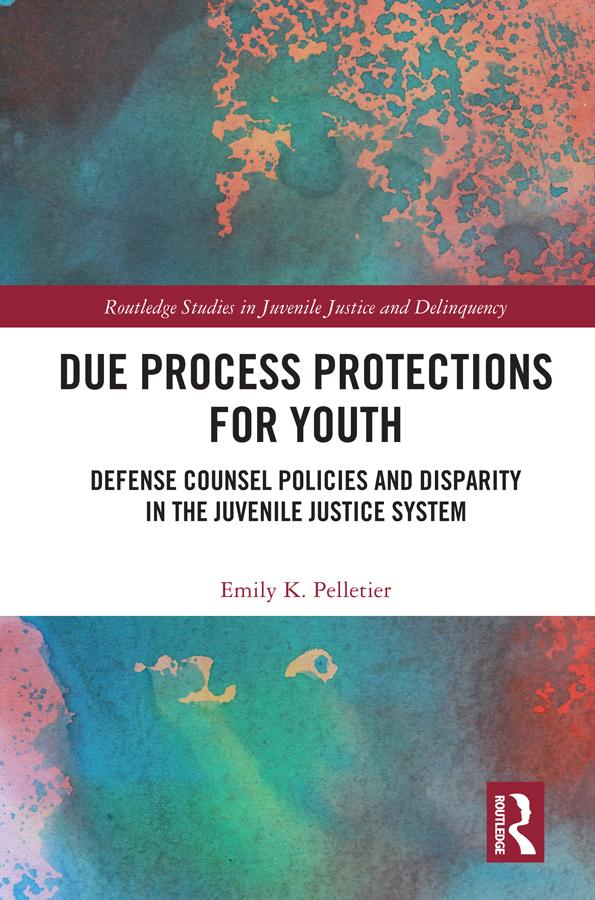
This monograph illuminates the connections between juvenile defense policies and the racially disparate impact of the juvenile justice system. The limited data that exist on youth in the juvenile justice system consistently depict disparate contact and outcomes for black youth across the system. The broad rehabilitative goals of the U.S. juvenile justice system, along with the "best interest" legal standard of the child welfare system, muddle the protection of youth due process rights. States differ widely in their policies granting defense counsel, and many policies lack specific language for policies addressing notions such as appointment timing, duration of representation, waiver criteria, and role of counsel.
Using a combination of legal and sociological research methods, this book examines the lack of specificity in the language of juvenile defense policies and connects the dots between this deficiency with the racially disparate impact of the system, contextualizing findings within a broader theoretical constructs of race and law. The author introduces common elements of juvenile defense policies, describes their impact, and makes suggestions for strengthening defense counsel policies. The book concludes with a call to action regarding expanded data-collection practices for juvenile delinquency courts.
This book is essential reading for those engaged in youth and juvenile justice efforts and scholars interested in issues surrounding due process, race, class, social policy, and justice.
Pay easily by card, Klarna, Apple Pay or Google Pay. Not happy? You always have a 14-day money-back guarantee. Read more in our terms. If you have any questions, email us at hello@memmo.org.
Memmo makes studying easier – wherever you are in the world. We bring your course books and smart study tools together in one place: summaries, quizzes, podcasts and flashcards. Plus Ted, your study buddy who answers anything you wonder. Over 50,000 students already study here – built to help you learn faster and stress less.