
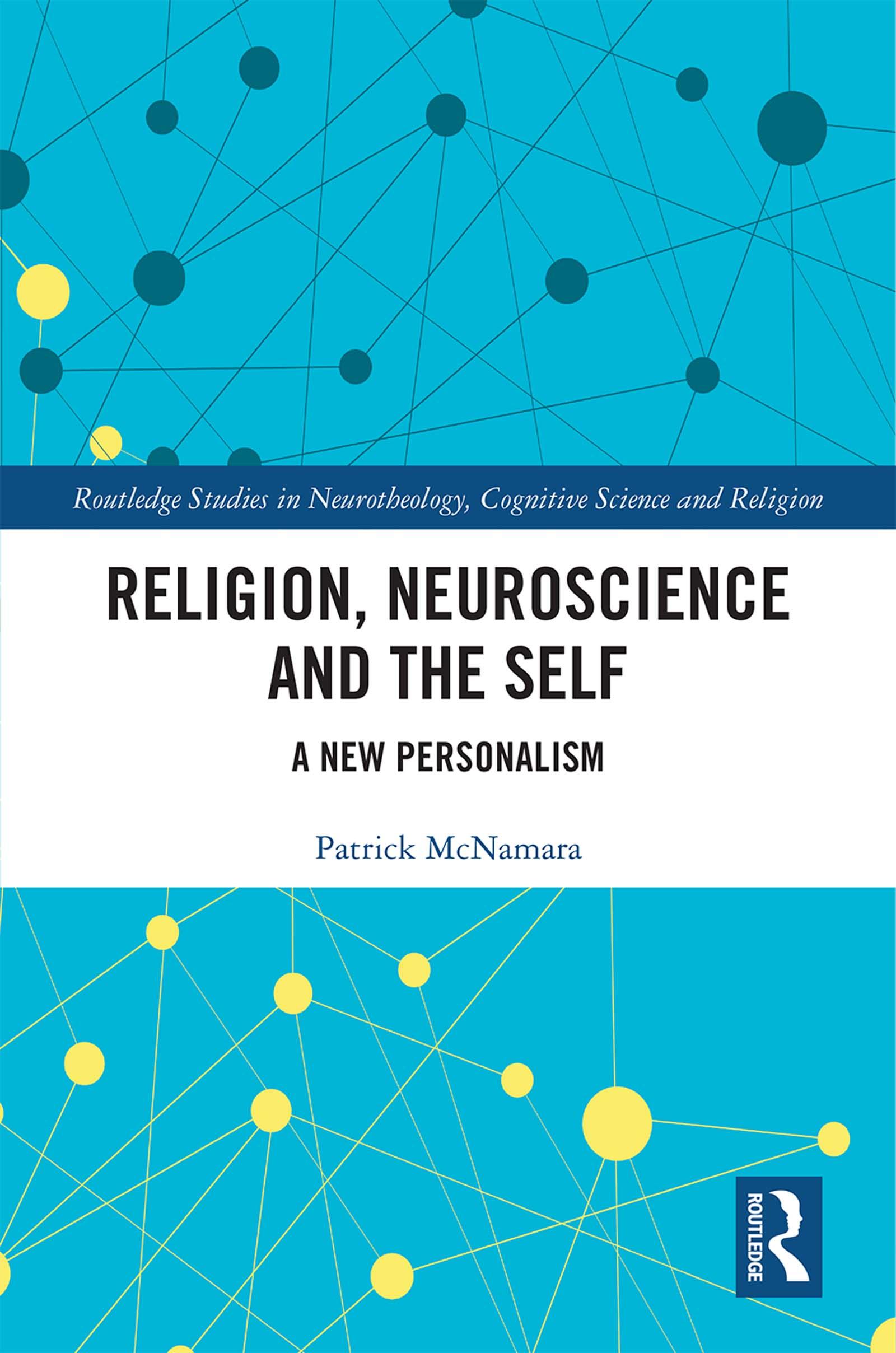
The purpose of this book is to use neuroscience discoveries concerning religious experiences, the Self and personhood to deepen, enhance and interrogate the theological and philosophical set of ideas known as Personalism. McNamara proposes a new eschatological form of personalism that is consistent with current neuroscience models of relevant brain functions concerning the self and personhood and that can meet the catastrophic challenges of the 21st century.
Eschatological Personalism, rooted in the philosophical tradition of "Boston Personalism", takes as its starting point the personalist claim that the significance of a self and personality is not fully revealed until it has reached its endpoint, but theologically that end point can only occur within the eschatological realm. That realm is explored in the book along with implications for personalist theory and ethics. Topics covered include the agent intellect, dreams and the imagination, future-orientation and eschatology, phenomenology of Time, social ethics, Love, the challenge of AI, privacy and solitude and the individual ethic of autarchy.
This book is an innovative combination of the neuroscientific and theological insights provided by a Personalist viewpoint. As such, it will be of great interest to scholars of Cognitive Science, Theology, Religious Studies and the philosophy of the mind.
Pay easily by card, Klarna, Apple Pay or Google Pay. Not happy? You always have a 14-day money-back guarantee. Read more in our terms. If you have any questions, email us at hello@memmo.org.
Memmo makes studying easier – wherever you are in the world. We bring your course books and smart study tools together in one place: summaries, quizzes, podcasts and flashcards. Plus Ted, your study buddy who answers anything you wonder. Over 50,000 students already study here – built to help you learn faster and stress less.