
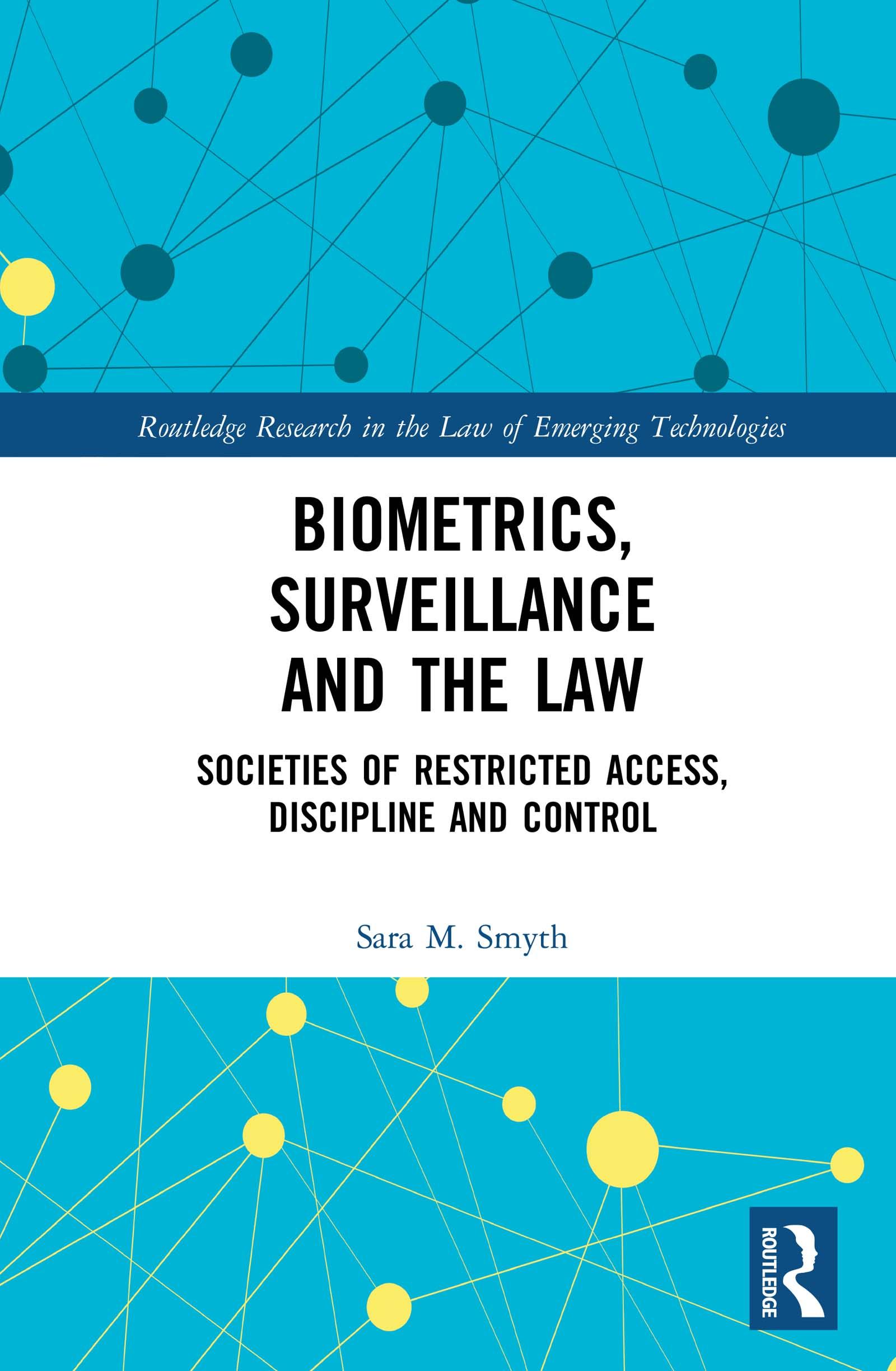
The use of biometric identification systems is rapidly increasing across the world, owing to their potential to combat terrorism, fraud, corruption and other illegal activities. However, critics of the technology complain that the creation of an extensive central register of personal information controlled by the government will increase opportunities for the state to abuse citizens. There is also concern about the extent to which data about an individual is recorded and kept.
This book reviews some of the most current and complex legal and ethical issues relating to the use of biometrics. Beginning with an overview of biometric systems, the book goes on to examine some of the theoretical underpinnings of the surveillance state, questioning whether these conceptual approaches are still relevant, particularly the integration of ubiquitous surveillance systems and devices. The book also analyses the implementation of the world’s largest biometric database, Aadhaar, in detail. Additionally, the identification of individuals at border checkpoints in the United States, Australia and the EU is explored, as well as the legal and ethical debates surrounding the use of biometrics regarding: the war on terror and the current refugee crisis; violations of international human rights law principles; and mobility and privacy rights. The book concludes by addressing the collection, use and disclosure of personal information by private-sector entities such as Axciom and Facebook, and government use of these tools to profile individuals.
By examining the major legal and ethical issues surrounding the debate on this rapidly emerging technology, this book will appeal to students and scholars of law, criminology and surveillance studies, as well as law enforcement and criminal law practitioners.
Pay easily by card, Klarna, Apple Pay or Google Pay. Not happy? You always have a 14-day money-back guarantee. Read more in our terms. If you have any questions, email us at hello@memmo.org.
Memmo makes studying easier – wherever you are in the world. We bring your course books and smart study tools together in one place: summaries, quizzes, podcasts and flashcards. Plus Ted, your study buddy who answers anything you wonder. Over 50,000 students already study here – built to help you learn faster and stress less.