
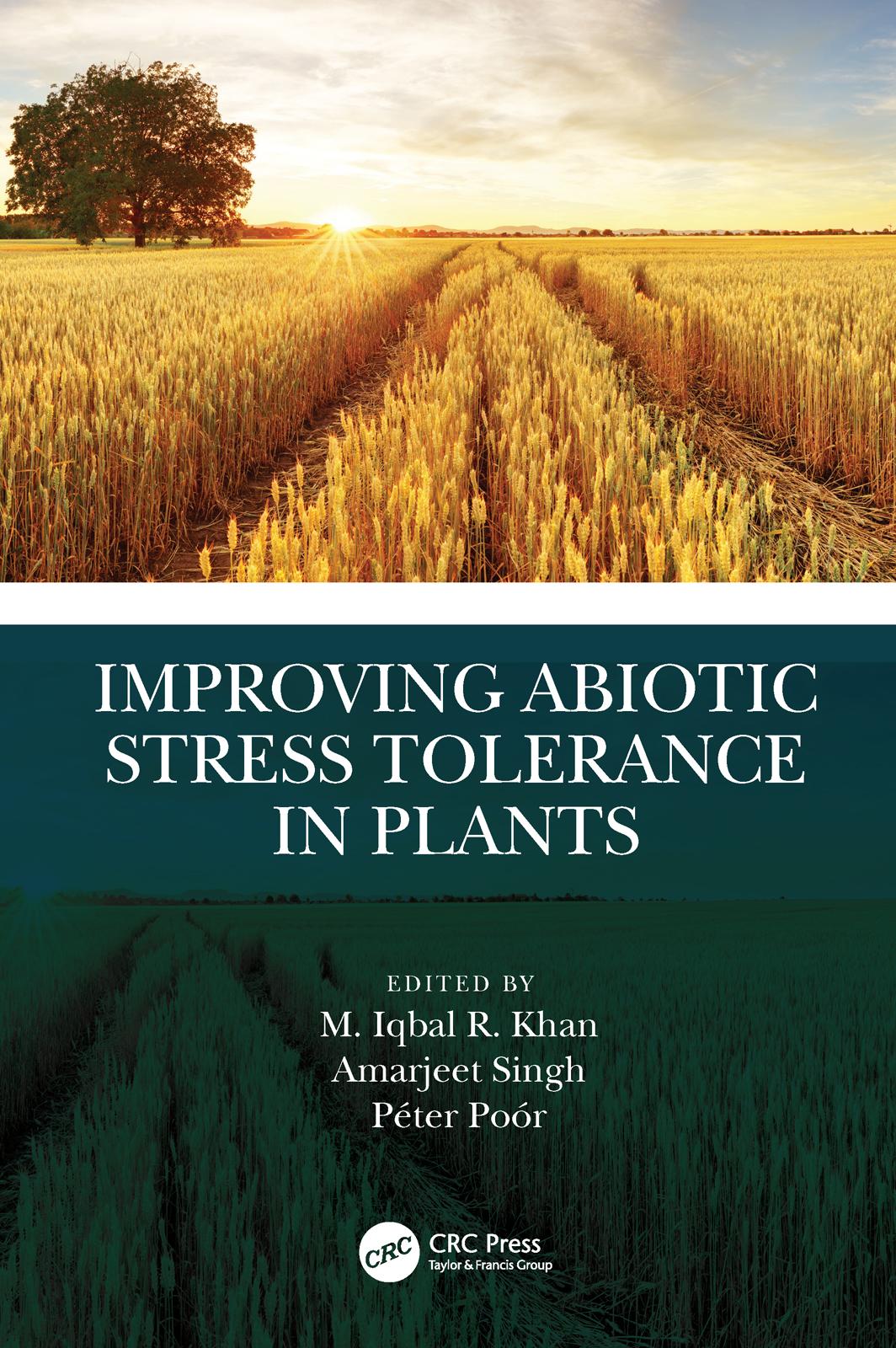
Abiotic stresses such as drought, flooding, high or low temperatures, metal toxicity and salinity can hamper plant growth and development. Improving Abiotic Stress Tolerance in Plants explains the physiological and molecular mechanisms plants naturally exhibit to withstand abiotic stresses and outlines the potential approaches to enhance plant abiotic stress tolerance to extreme conditions. Synthesising developments in plant stress biology, the book offers strategies that can be used in breeding, genomic, molecular, physiological and biotechnological approaches that hold the potential to develop resilient plants and improve crop productivity worldwide.
Features
· Comprehensively explains molecular and physiological mechanism of multiple abiotic stress tolerance in plants
· Discusses recent advancements in crop abiotic stress tolerance mechanism and highlights strategies to develop abiotic stress tolerant genotypes for sustainability
· Stimulates synthesis of information for plant stress biology for biotechnological applications
· Presents essential information for large scale breeding and agricultural biotechnological programs for crop improvement
Written by a team of expert scientists, this book benefits researchers in the field of plant stress biology and is essential reading for graduate students and researchers generating stress tolerant crops through genetic engineering and plant breeding. It appeals to individuals developing sustainable agriculture through physiological and biotechnological applications.
Pay easily by card, Klarna, Apple Pay or Google Pay. Not happy? You always have a 14-day money-back guarantee. Read more in our terms. If you have any questions, email us at hello@memmo.org.
Memmo makes studying easier – wherever you are in the world. We bring your course books and smart study tools together in one place: summaries, quizzes, podcasts and flashcards. Plus Ted, your study buddy who answers anything you wonder. Over 50,000 students already study here – built to help you learn faster and stress less.