
At the heart of creativity is the practice of bringing something new into existence, whether it be a material object or abstract idea, thereby making history and enriching the creative tradition.
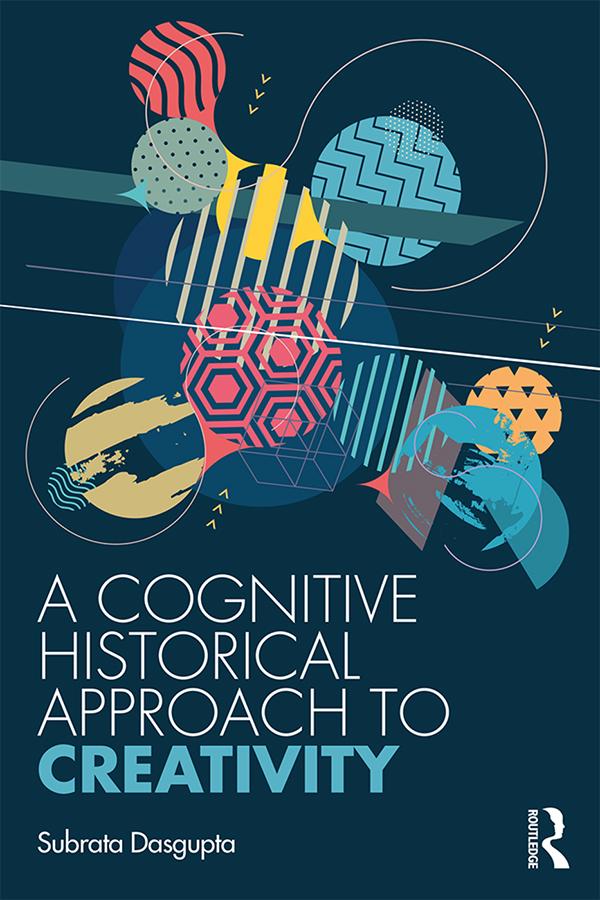
A Cognitive Historical Approach to Creativity explores the idea that creativity is both a cognitive phenomenon and a historical process. Blending insights and theories of cognitive science with the skills, mentality and investigative tools of the historian, this book considers diverse issues including: the role of the unconscious in creativity, the creative process, creating history with a new object or idea, and the relationship between creators and consumers. Drawing on a plethora of real-life examples from the eighteenth century through to the present day, and from distinct fields including the arts, literature, science and engineering, Subrata Dasgupta emphasizes historicity as a fundamental feature of creativity.
Providing a unified, integrative, interdisciplinary treatment of cognitive history and its application to understanding and explaining creativity in its multiple domains, A Cognitive Historical Approach to Creativity is essential reading for all researchers of creativity.
Pay easily by card, Klarna, Apple Pay or Google Pay. Not happy? You always have a 14-day money-back guarantee. Read more in our terms. If you have any questions, email us at hello@memmo.org.
Memmo makes studying easier – wherever you are in the world. We bring your course books and smart study tools together in one place: summaries, quizzes, podcasts and flashcards. Plus Ted, your study buddy who answers anything you wonder. Over 50,000 students already study here – built to help you learn faster and stress less.