
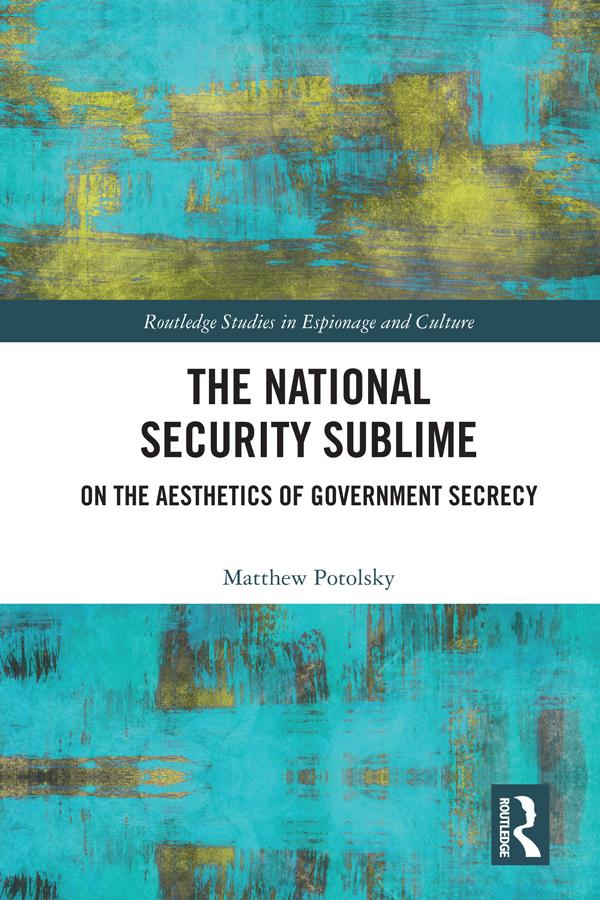
Why do recent depictions of government secrecy and surveillance so often use images suggesting massive size and scale: gigantic warehouses, remote black sites, numberless security cameras? Drawing on post-War American art, film, television, and fiction, Matthew Potolsky argues that the aesthetic of the sublime provides a privileged window into the nature of modern intelligence, a way of describing the curiously open secret of covert operations. The book tracks the development of the national security sublime from the Cold War to the War on Terror, and places it in a long history of efforts by artists and writers to represent political secrecy.
Pay easily by card, Klarna, Apple Pay or Google Pay. Not happy? You always have a 14-day money-back guarantee. Read more in our terms. If you have any questions, email us at hello@memmo.org.
Memmo makes studying easier – wherever you are in the world. We bring your course books and smart study tools together in one place: summaries, quizzes, podcasts and flashcards. Plus Ted, your study buddy who answers anything you wonder. Over 50,000 students already study here – built to help you learn faster and stress less.