
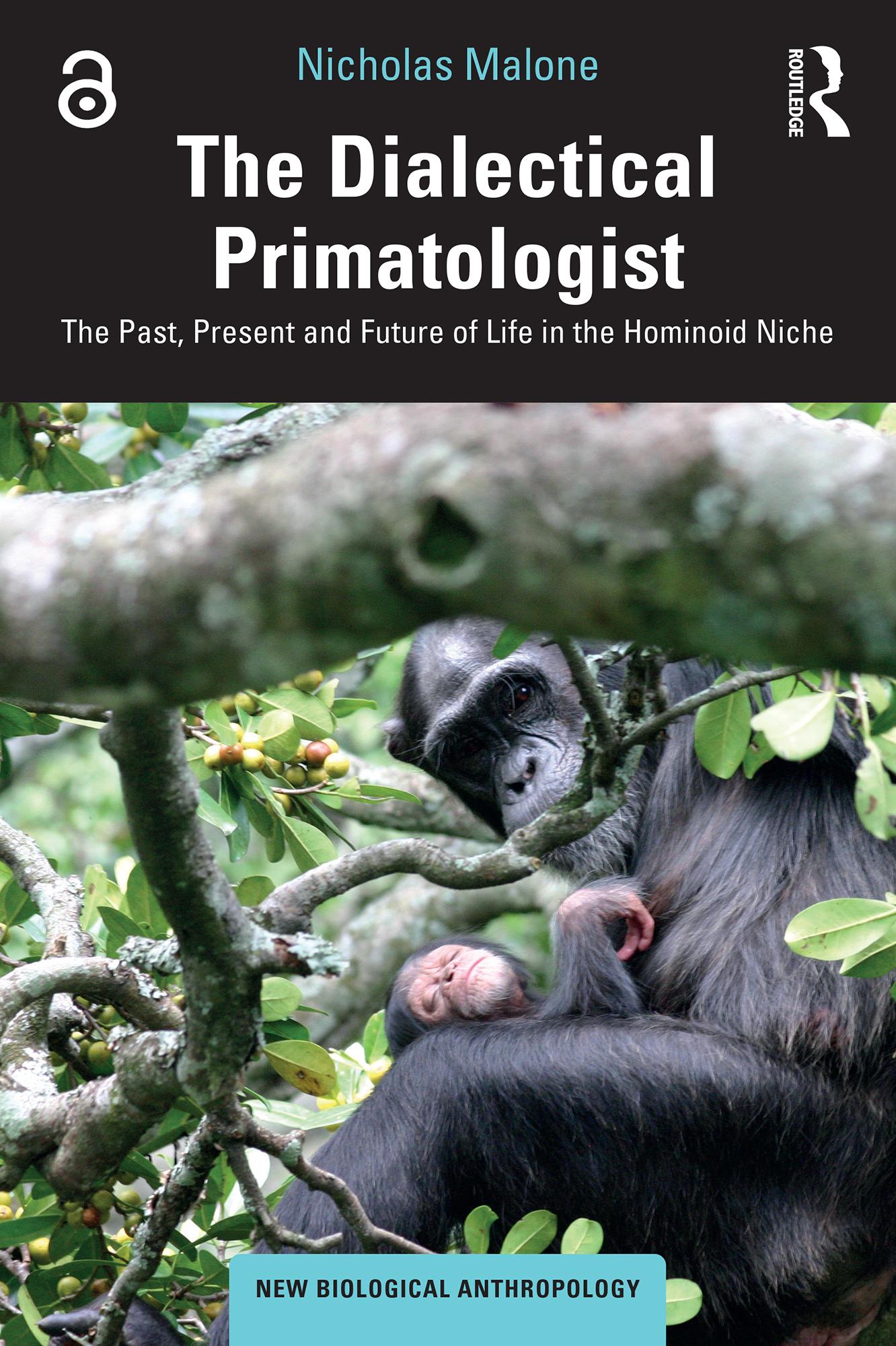
The Dialectical Primatologist identifies the essential parameters vital for the continued coexistence of hominoids (apes and humans), synthesising primate research and conservation in order to develop culturally compelling conservation strategies required for the facilitation of hominoid coexistence.
As unsustainable human activities threaten many primate species with extinction, effective conservation strategies for endangered primates will depend upon our understanding of behavioural response to human-modified habitats. This is especially true for the apes, who are arguably our most powerful connection to the natural world. Recognising the inseparability of the natural and the social, the dialectical approach in this book highlights the heterogeneity and complexity of ecological relationships. Malone stresses that ape conservation requires a synthesis of nature and culture that recognises their inseparability in ecological relationships that are both biophysically and socially formed, and seeks to identify the pathways that lead to either hominoid coexistence or, alternatively, extinction.
This book will be of keen interest to academics in biological anthropology, primatology, environmental anthropology, conservation and human–animal studies.
The Open Access version of this book, available at http://www.taylorfrancis.com, has been made available under a Creative Commons Attribution-Non Commercial-No Derivatives (CC-BY-NC-ND) 4.0 license.
Pay easily by card, Klarna, Apple Pay or Google Pay. Not happy? You always have a 14-day money-back guarantee. Read more in our terms. If you have any questions, email us at hello@memmo.org.
Memmo makes studying easier – wherever you are in the world. We bring your course books and smart study tools together in one place: summaries, quizzes, podcasts and flashcards. Plus Ted, your study buddy who answers anything you wonder. Over 50,000 students already study here – built to help you learn faster and stress less.