
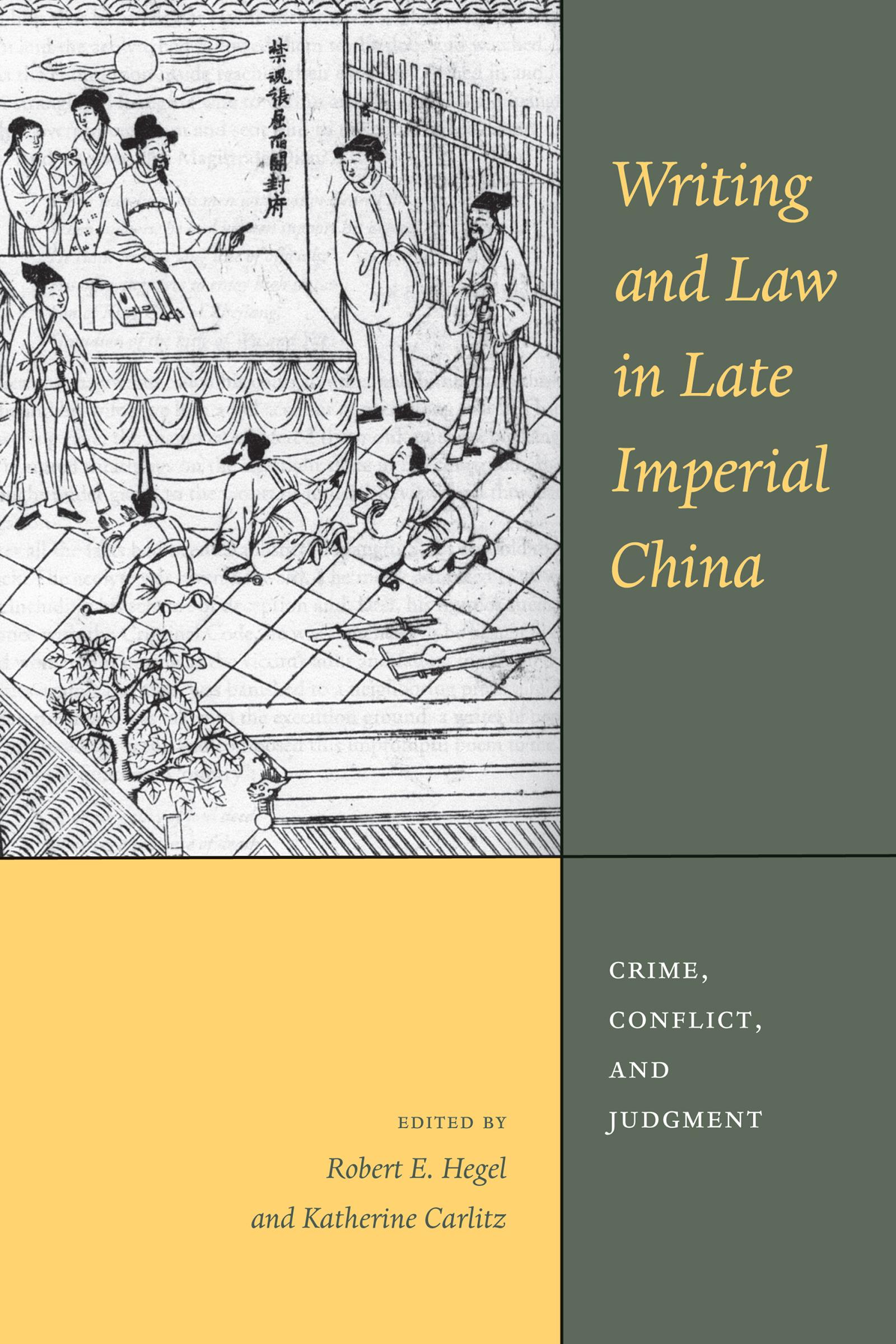
In this fascinating, multidisciplinary volume, scholars of Chinese history, law, literature, and religions explore the intersections of legal practice with writing in many different social contexts. They consider the overlapping concerns of legal culture and the arts of crafting persuasive texts in a range of documents including crime reports, legislation, novels, prayers, and law suits. Their focus is the late Ming and Qing periods (c. 1550-1911); their documents range from plaints filed at the local level by commoners, through various texts produced by the well-to-do, to the legal opinions penned by China's emperors.
Writing and Law in Late Imperial China explores works of crime-case fiction, judicial handbooks for magistrates and legal secretaries, popular attitudes toward clergy and merchants as reflected in legal plaints, and the belief in a parallel, otherworldly judicial system that supports earthly justice.
Pay easily by card, Klarna, Apple Pay or Google Pay. Not happy? You always have a 14-day money-back guarantee. Read more in our terms. If you have any questions, email us at hello@memmo.org.
Memmo makes studying easier – wherever you are in the world. We bring your course books and smart study tools together in one place: summaries, quizzes, podcasts and flashcards. Plus Ted, your study buddy who answers anything you wonder. Over 50,000 students already study here – built to help you learn faster and stress less.