
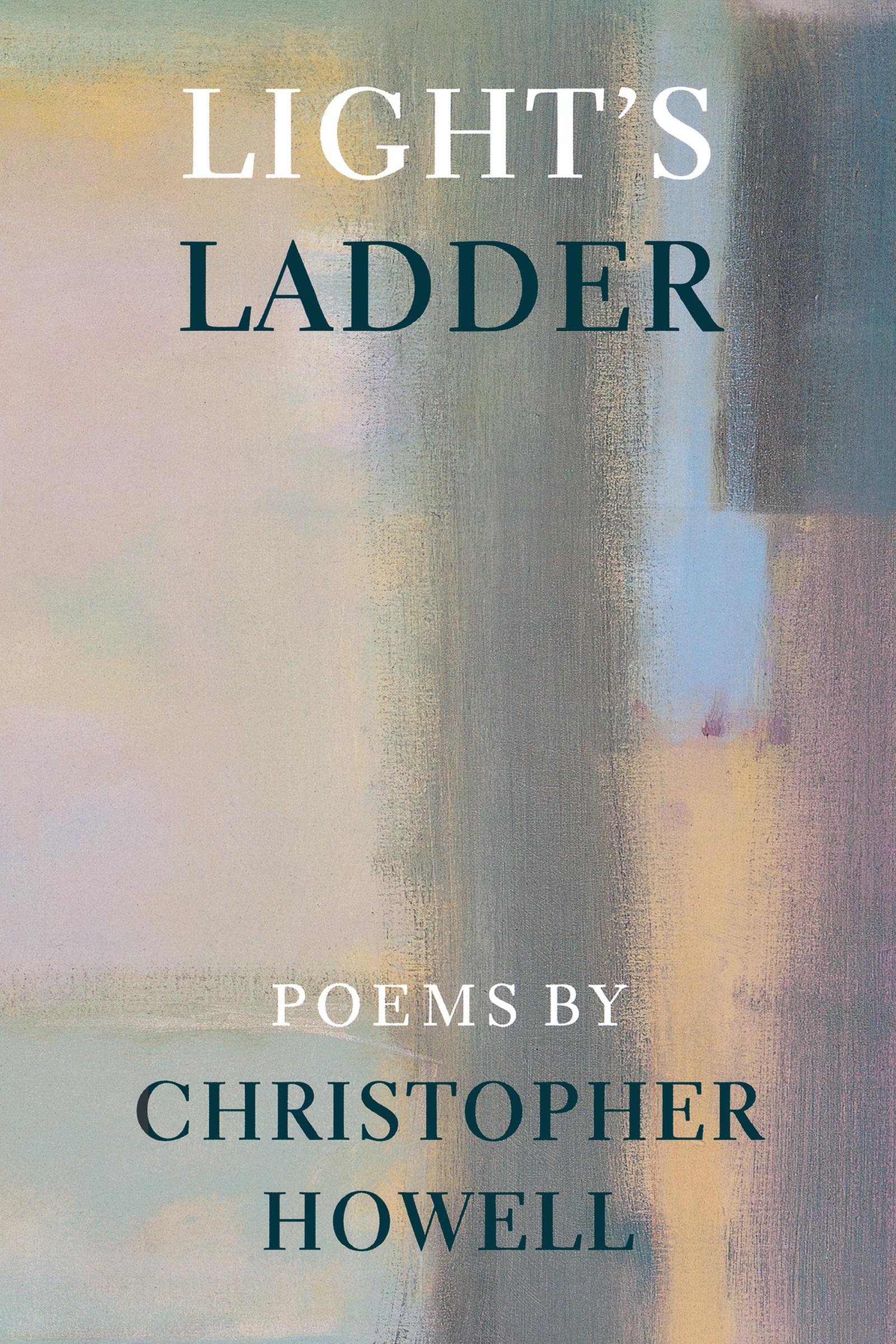
In this extraordinary new collection by distinguished poet Christopher Howell, the opening poem presents us with a spiritual paradox that will echo throughout its pages. The speaker remembers an earlier time of happiness, freedom, and a certain innocence. The poem closes with:
And if he remembers now
he is in love, which is the soul’s condition, and alone
because that is how we live.
"How we live" is the book's major inquiry; its illustration, the poems' major achievement. How do we live, in our dailiness, in our loves, our private and global wars? And, in the face of unbearable grief, how can we live?
Keats
When Keats, at last beyond the curtain
of love’s distraction, lay dying in his room
on the Piazza di Spagna, the melody of the Bernini
Fountain “filling him like flowers,”
he held his breath like a coin, looked out
into the moonlight and thought he saw snow.
He did not suppose it was fever or the body’s
weakness turning the mind. He thought, “England!”
and there he was, secretly, for the rest
of his improvidently short life: up to his neck
in sleigh bells and the impossibly English cries
of street venders, perfect
and affectionate as his soul.
For days the snow and statuary sang him so far
beyond regret that if now you walk rancorless
and alone there, in the piazza, the white shadow
of his last words to Severn, “Don’t be frightened,”
may enter you.
Pay easily by card, Klarna, Apple Pay or Google Pay. Not happy? You always have a 14-day money-back guarantee. Read more in our terms. If you have any questions, email us at hello@memmo.org.
Memmo makes studying easier – wherever you are in the world. We bring your course books and smart study tools together in one place: summaries, quizzes, podcasts and flashcards. Plus Ted, your study buddy who answers anything you wonder. Over 50,000 students already study here – built to help you learn faster and stress less.