
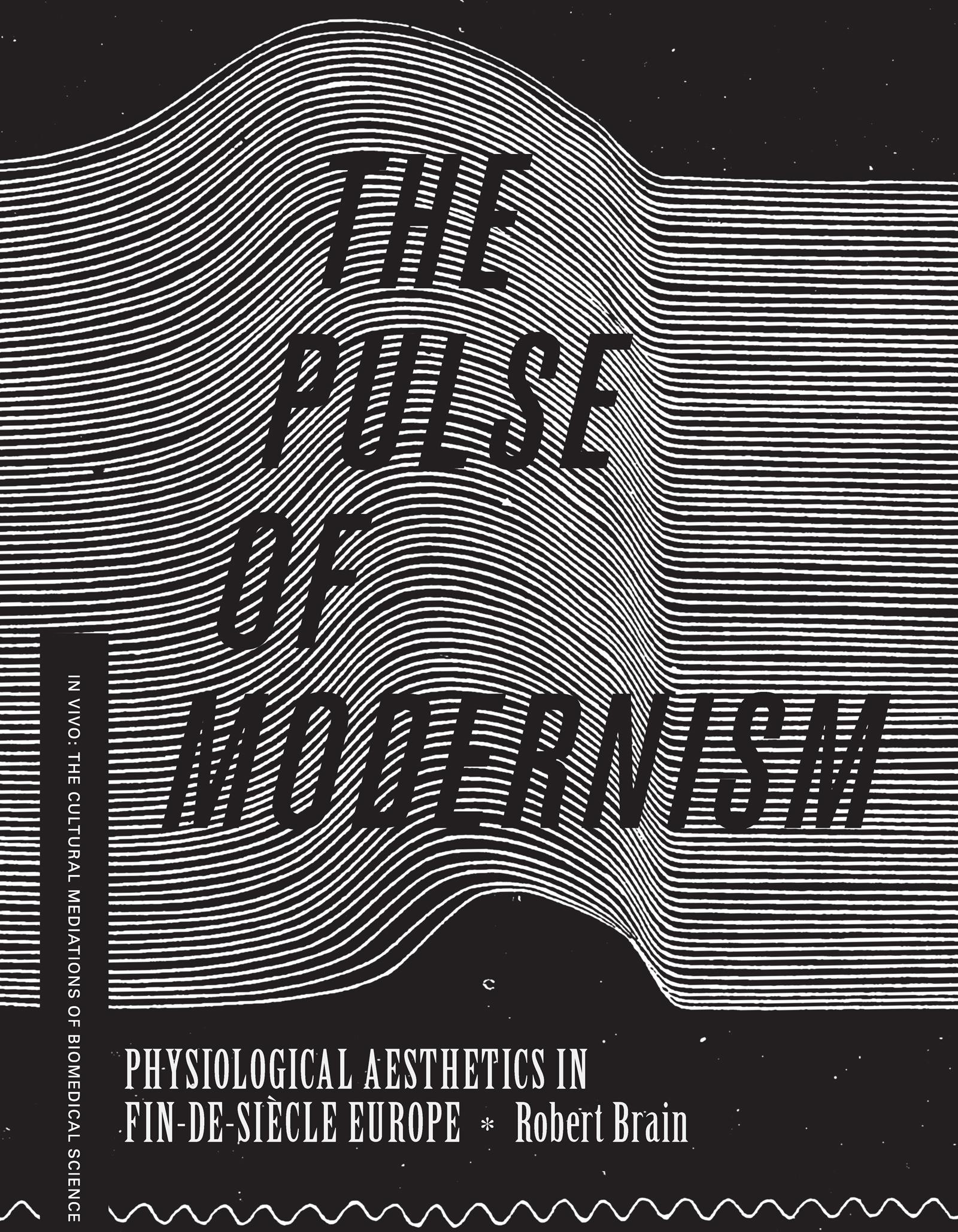
Robert Brain traces the origins of artistic modernism to specific technologies of perception developed in late-nineteenth-century laboratories. Brain argues that the thriving fin-de-siècle field of “physiological aesthetics,” which sought physiological explanations for the capacity to appreciate beauty and art, changed the way poets, artists, and musicians worked and brought a dramatic transformation to the idea of art itself.
Pay easily by card, Klarna, Apple Pay or Google Pay. Not happy? You always have a 14-day money-back guarantee. Read more in our terms. If you have any questions, email us at hello@memmo.org.
Memmo makes studying easier – wherever you are in the world. We bring your course books and smart study tools together in one place: summaries, quizzes, podcasts and flashcards. Plus Ted, your study buddy who answers anything you wonder. Over 50,000 students already study here – built to help you learn faster and stress less.