
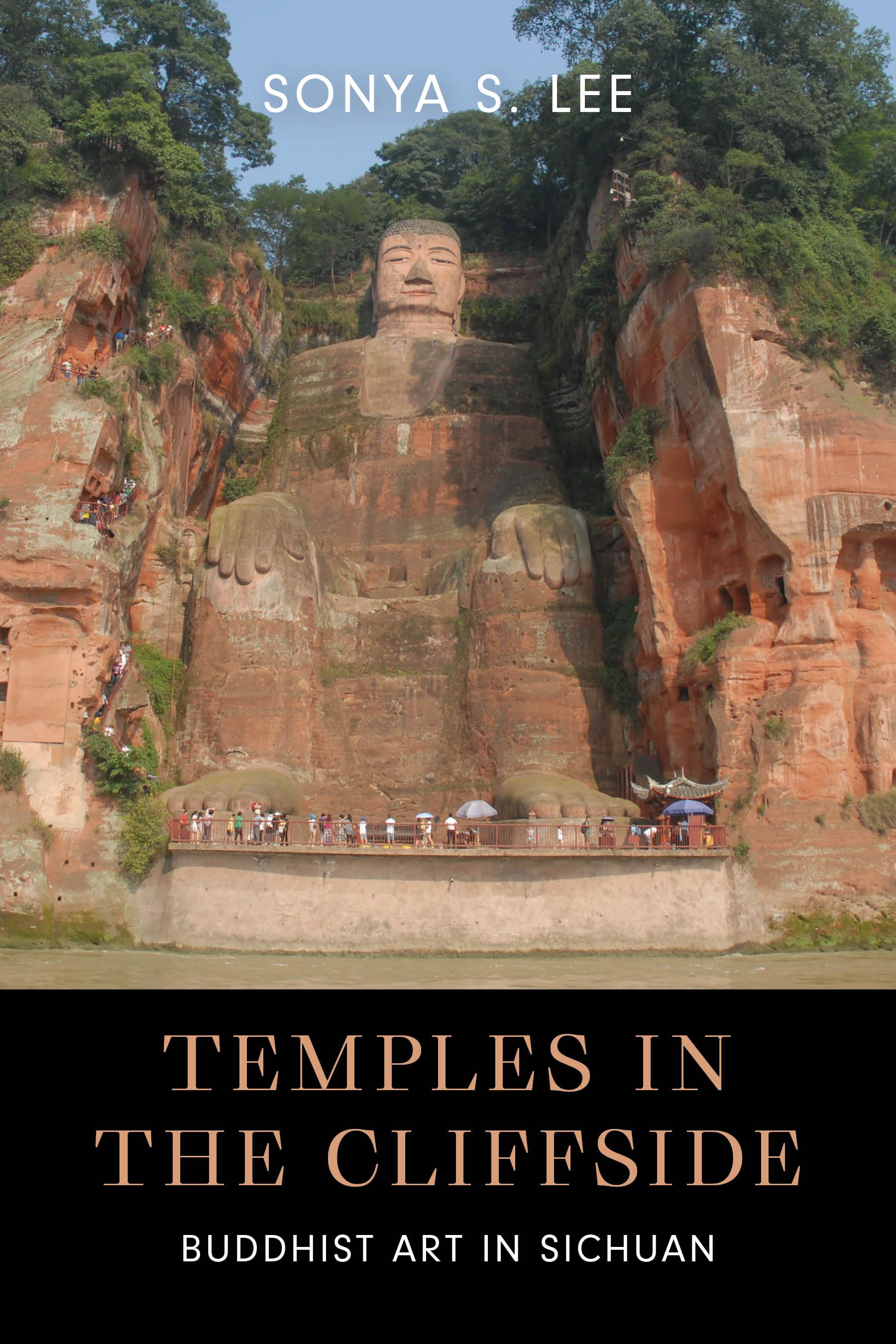
Winner of the 2023 IPPY – Gold – Religion Nonfiction category, sponsored by the Independent Publisher Book Award
Centuries of monumental sculpture, embedded in the landscape
At sixty-two meters the Leshan Buddha in southwest China is the world’s tallest premodern statue. Carved out of a riverside cliff in the eighth century, it has evolved from a religious center to a UNESCO World Heritage Site and popular tourist destination. But this Buddha does not stand alone: Sichuan is home to many cave temples with such monumental sculptures, part of a centuries-long tradition of art-making intricately tied to how local inhabitants made use of their natural resources with purpose and creativity. These examples of art embedded in nature have altered landscapes and have influenced the behaviors, values, and worldviews of users through multiple cycles of revival, restoration, and recreation. As hybrid spaces that are at once natural and artificial, they embody the interaction of art and the environment over a long period of time.
This far-ranging study of cave temples in Sichuan shows that they are part of the world’s sustainable future, as their continued presence is a reminder of the urgency to preserve culture as part of today’s response to climate change. Temples in the Cliffside brings art history into close dialogue with current discourse on environmental issues and contributes to a new understanding of the ecological impact of artistic monuments.
Pay easily by card, Klarna, Apple Pay or Google Pay. Not happy? You always have a 14-day money-back guarantee. Read more in our terms. If you have any questions, email us at hello@memmo.org.
Memmo makes studying easier – wherever you are in the world. We bring your course books and smart study tools together in one place: summaries, quizzes, podcasts and flashcards. Plus Ted, your study buddy who answers anything you wonder. Over 75,000 students already study here – built to help you learn faster and stress less.