
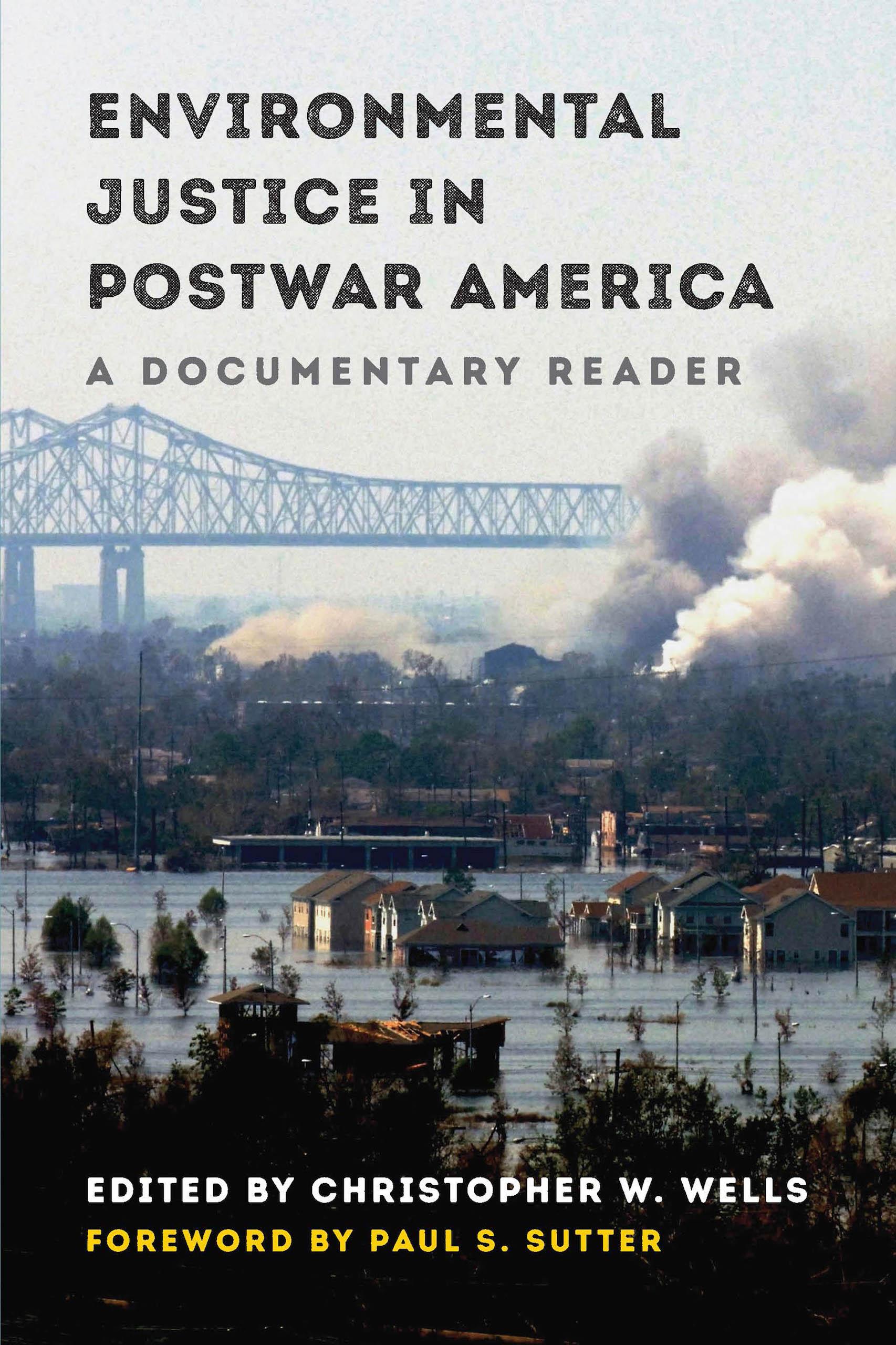
In the decades after World War II, the American economy entered a period of prolonged growth that created unprecedented affluence—but these developments came at the cost of a host of new environmental problems. Unsurprisingly, a disproportionate number of them, such as pollution-emitting factories, waste-handling facilities, and big infrastructure projects, ended up in communities dominated by people of color. Constrained by long-standing practices of segregation that limited their housing and employment options, people of color bore an unequal share of postwar America’s environmental burdens.
This reader collects a wide range of primary source documents on the rise and evolution of the environmental justice movement. The documents show how environmentalists in the 1970s recognized the unequal environmental burdens that people of color and low-income Americans had to bear, yet failed to take meaningful action to resolve them. Instead, activism by the affected communities themselves spurred the environmental justice movement of the 1980s and early 1990s. By the turn of the twenty-first century, environmental justice had become increasingly mainstream, and issues like climate justice, food justice, and green-collar jobs had taken their places alongside the protection of wilderness as “environmental” issues.
Environmental Justice in Postwar America is a powerful tool for introducing students to the US environmental justice movement and the sometimes tense relationship between environmentalism and social justice.
Pay easily by card, Klarna, Apple Pay or Google Pay. Not happy? You always have a 14-day money-back guarantee. Read more in our terms. If you have any questions, email us at hello@memmo.org.
Memmo makes studying easier – wherever you are in the world. We bring your course books and smart study tools together in one place: summaries, quizzes, podcasts and flashcards. Plus Ted, your study buddy who answers anything you wonder. Over 50,000 students already study here – built to help you learn faster and stress less.