
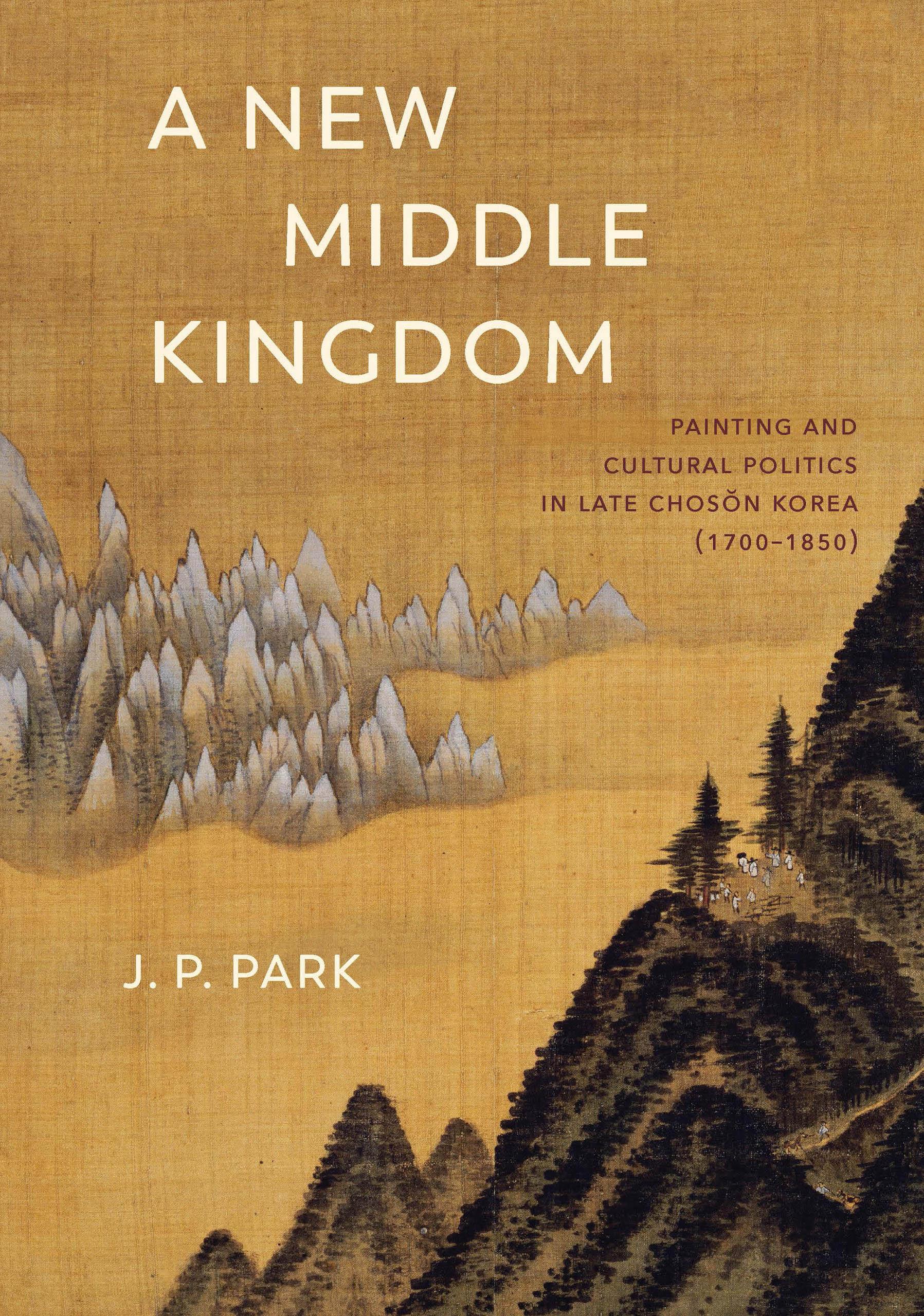
Historians have claimed that when social stability returned to Korea after devastating invasions by the Japanese and Manchus around the turn of the seventeenth century, the late Chosŏn dynasty was a period of unprecedented economic and cultural renaissance, in which prosperity manifested itself in new programs and styles of visual art. A New Middle Kingdom questions this belief, claiming instead that true-view landscape and genre paintings were likely adopted to propagandize social harmony under Chosŏn rule and to justify the status, wealth, and land grabs of the ruling class. This book also documents the popularity of art books from China and their misunderstanding by Koreans and, most controversially, Korean enthusiasm for artistic programs from Edo Japan, thus challenging academic stereotypes and nationalistic tendencies in the scholarship about the Chosŏn period. As the first truly interdisciplinary study of Korean art, A New Middle Kingdom points to realities of late Chosŏn society that its visual art seemed to hide and deny.
A William Sangki and Nanhee Min Hahn Book
Pay easily by card, Klarna, Apple Pay or Google Pay. Not happy? You always have a 14-day money-back guarantee. Read more in our terms. If you have any questions, email us at hello@memmo.org.
Memmo makes studying easier – wherever you are in the world. We bring your course books and smart study tools together in one place: summaries, quizzes, podcasts and flashcards. Plus Ted, your study buddy who answers anything you wonder. Over 50,000 students already study here – built to help you learn faster and stress less.