
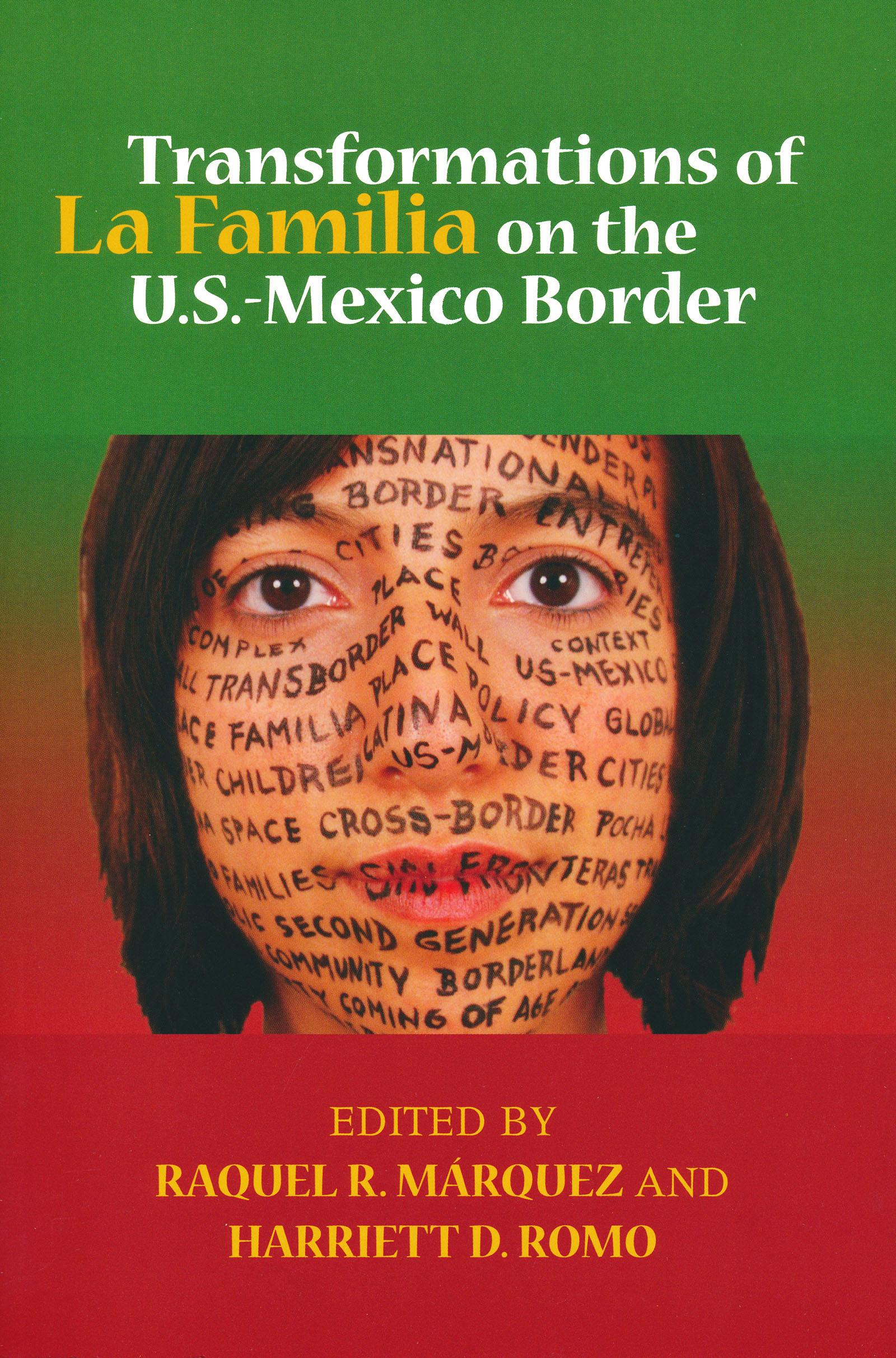
No international relationship of the United States is as encumbered by history, geography, culture, language, and economics as the one with Mexico. Given the scale and importance of the flow of commerce and culture across the border, however, surprisingly few studies have examined the micro-level impact of border immigration patterns, economic systems, and policies on families in the region. Recognizing this void, the women scholars represented here—all of whom have studied and lived near la frontera—explore the complexity of border dynamics. They offer a well-rounded portrayal of Latino families and their response to changes at the border.
The authors focus primarily on women and changes within families on the border—in response to women's economic strategies, labor market participation, and interactions with relatives and others. Quantitative chapters provide demographic analyses of population changes in new immigrant areas, the conditions of children and families along the border, and the work patterns of border families and women entrepreneurs. Qualitative chapters provide insights into the rites of passage celebrated across borders and the transnational lives of women and their families. The volume concludes with recommendations for collaborative U.S.-Mexico border policies that support families.
Pay easily by card, Klarna, Apple Pay or Google Pay. Not happy? You always have a 14-day money-back guarantee. Read more in our terms. If you have any questions, email us at hello@memmo.org.
Memmo makes studying easier – wherever you are in the world. We bring your course books and smart study tools together in one place: summaries, quizzes, podcasts and flashcards. Plus Ted, your study buddy who answers anything you wonder. Over 50,000 students already study here – built to help you learn faster and stress less.