
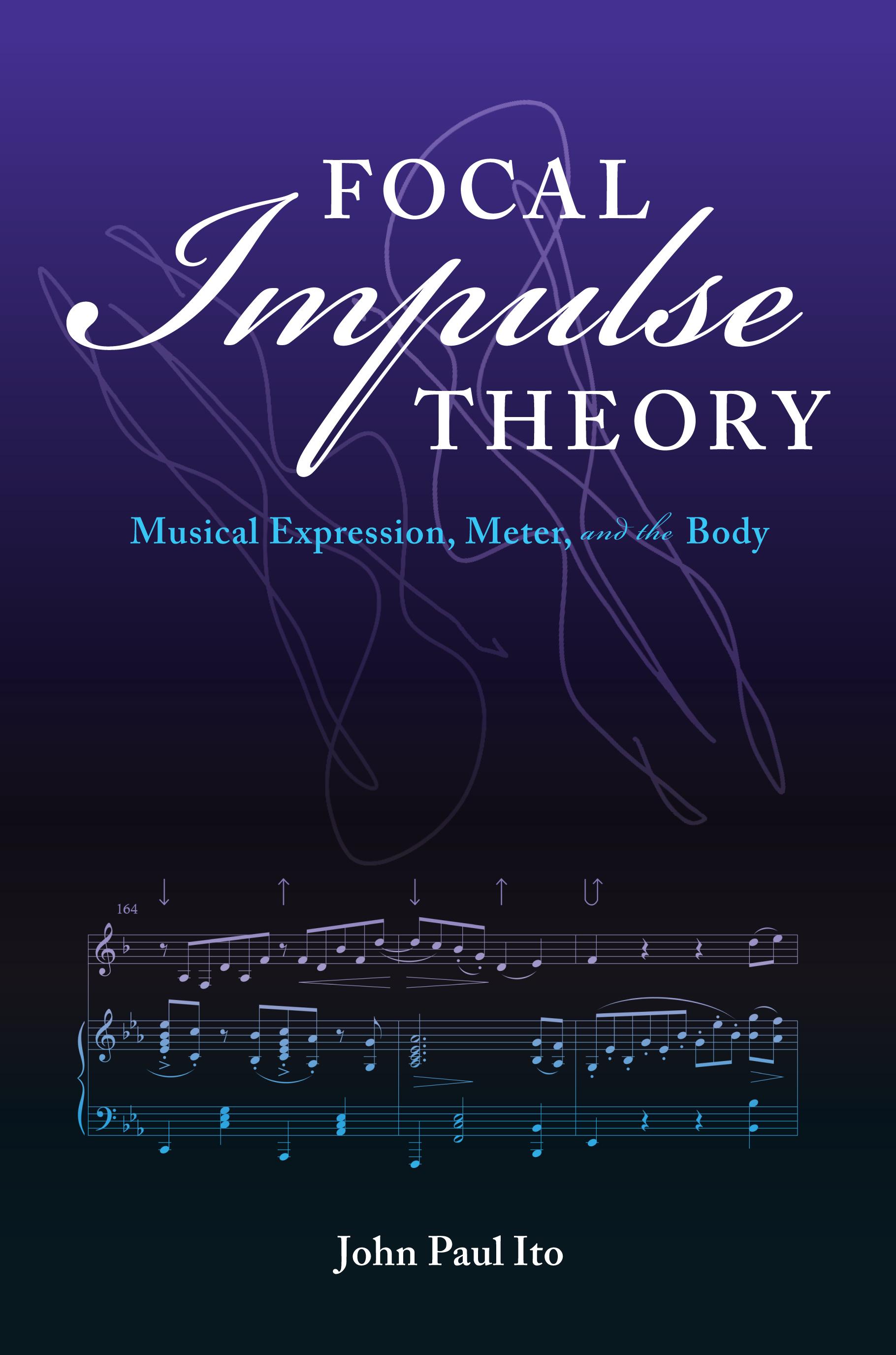
Music is surrounded by movement, from the arching back of the guitarist to the violinist swaying with each bow stroke.
To John Paul Ito, these actions are not just a visual display; rather, they reveal what it really means for musicians to move with the beat, organizing the flow of notes from beat to beat and shaping the sound produced. By developing "focal impulse theory," Ito shows how a performer's choices of how to move with the meter can transform the music's expressive contours. Change the dance of the performer's body, and you change the dance of the notes.
As Focal Impulse Theory deftly illustrates, bodily movements carry musical meaning and, in a very real sense, are meaning.
Pay easily by card, Klarna, Apple Pay or Google Pay. Not happy? You always have a 14-day money-back guarantee. Read more in our terms. If you have any questions, email us at hello@memmo.org.
Memmo makes studying easier – wherever you are in the world. We bring your course books and smart study tools together in one place: summaries, quizzes, podcasts and flashcards. Plus Ted, your study buddy who answers anything you wonder. Over 50,000 students already study here – built to help you learn faster and stress less.