
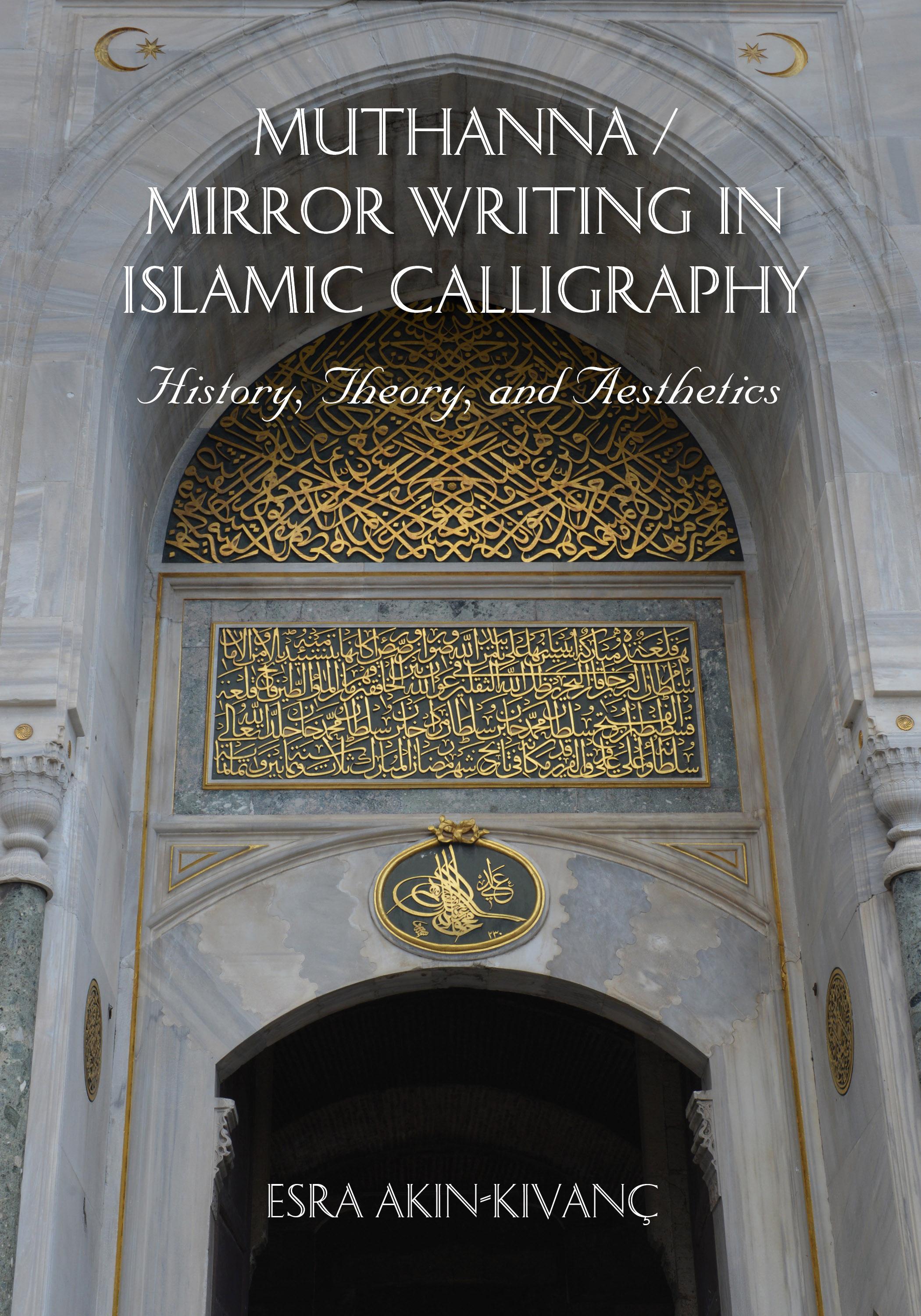
Muthanna, also known as mirror writing, is a compelling style of Islamic calligraphy composed of a source text and its mirror image placed symmetrically on a horizontal or vertical axis. This style elaborates on various scripts such as Kufic, naskh, and muhaqqaq through compositional arrangements, including doubling, superimposing, and stacking. Muthanna is found in diverse media, ranging from architecture, textiles, and tiles to paper, metalwork, and woodwork. Yet despite its centuries-old history and popularity in countries from Iran to Spain, scholarship on the form has remained limited and flawed. Muthanna / Mirror Writing in Islamic Calligraphy provides a comprehensive study of the text and its forms, beginning with an explanation of the visual principles and techniques used in its creation. Author Esra Akın-Kıvanc explores muthanna's relationship to similar forms of writing in Judaic and Christian contexts, as well as the specifically Islamic contexts within which symmetrically mirrored compositions reached full fruition, were assigned new meanings, and transformed into more complex visual forms. Throughout, Akın-Kıvanc imaginatively plays on the implicit relationship between subject and object in muthanna by examining the point of view of the artist, the viewer, and the work of art. In doing so, this study elaborates on the vital links between outward form and inner meaning in Islamic calligraphy.
Pay easily by card, Klarna, Apple Pay or Google Pay. Not happy? You always have a 14-day money-back guarantee. Read more in our terms. If you have any questions, email us at hello@memmo.org.
Memmo makes studying easier – wherever you are in the world. We bring your course books and smart study tools together in one place: summaries, quizzes, podcasts and flashcards. Plus Ted, your study buddy who answers anything you wonder. Over 50,000 students already study here – built to help you learn faster and stress less.