
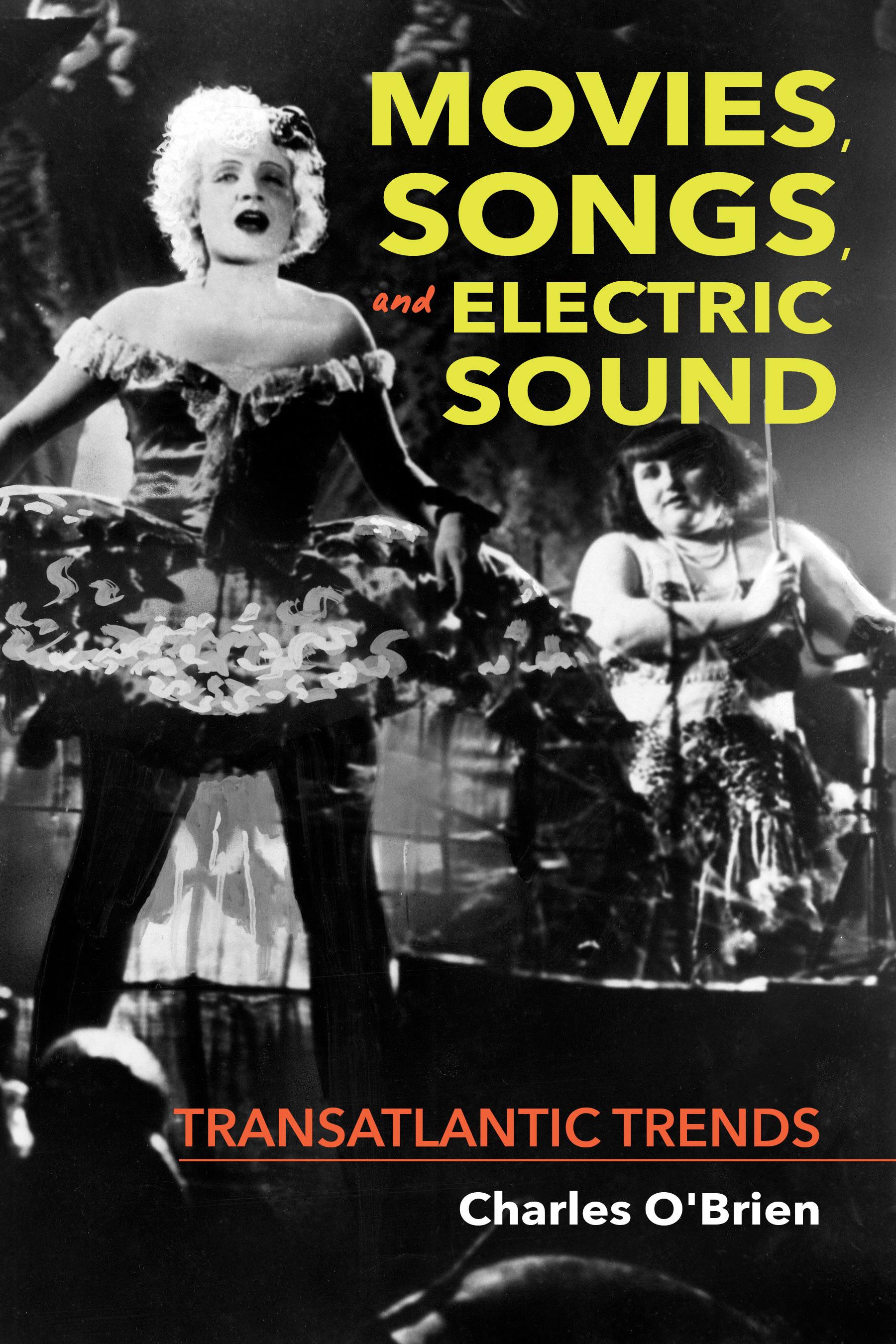
How did the introduction of recorded music affect the production, viewing experience, and global export of movies? In Movies, Songs, and Electric Sound, Charles O'Brien examines American and European musical films created circa 1930, when the world's sound-equipped theaters screened movies featuring recorded songs and filmmakers in the United States and Europe struggled to meet the artistic and technical challenges of sound production and distribution. The presence of singers in films exerted special pressures on film technique, lending a distinct look and sound to the films' musical sequences. Rather than advancing a film's plot, songs in these films were staged, filmed, and cut to facilitate the singer's engagement with her or his public. Through an examination of the export market for sound films in the early 1930s, when German and American companies used musical films as a vehicle for competing to control the world film trade, this book delineates a new transnational context for understanding the Hollywood musical. Combining archival research with the cinemetric analysis of hundreds of American, German, French, and British films made between 1927 and 1934, O'Brien provides the historical context necessary for making sense of the aesthetic impact of changes in film technology from the past to the present.
Pay easily by card, Klarna, Apple Pay or Google Pay. Not happy? You always have a 14-day money-back guarantee. Read more in our terms. If you have any questions, email us at hello@memmo.org.
Memmo makes studying easier – wherever you are in the world. We bring your course books and smart study tools together in one place: summaries, quizzes, podcasts and flashcards. Plus Ted, your study buddy who answers anything you wonder. Over 50,000 students already study here – built to help you learn faster and stress less.