
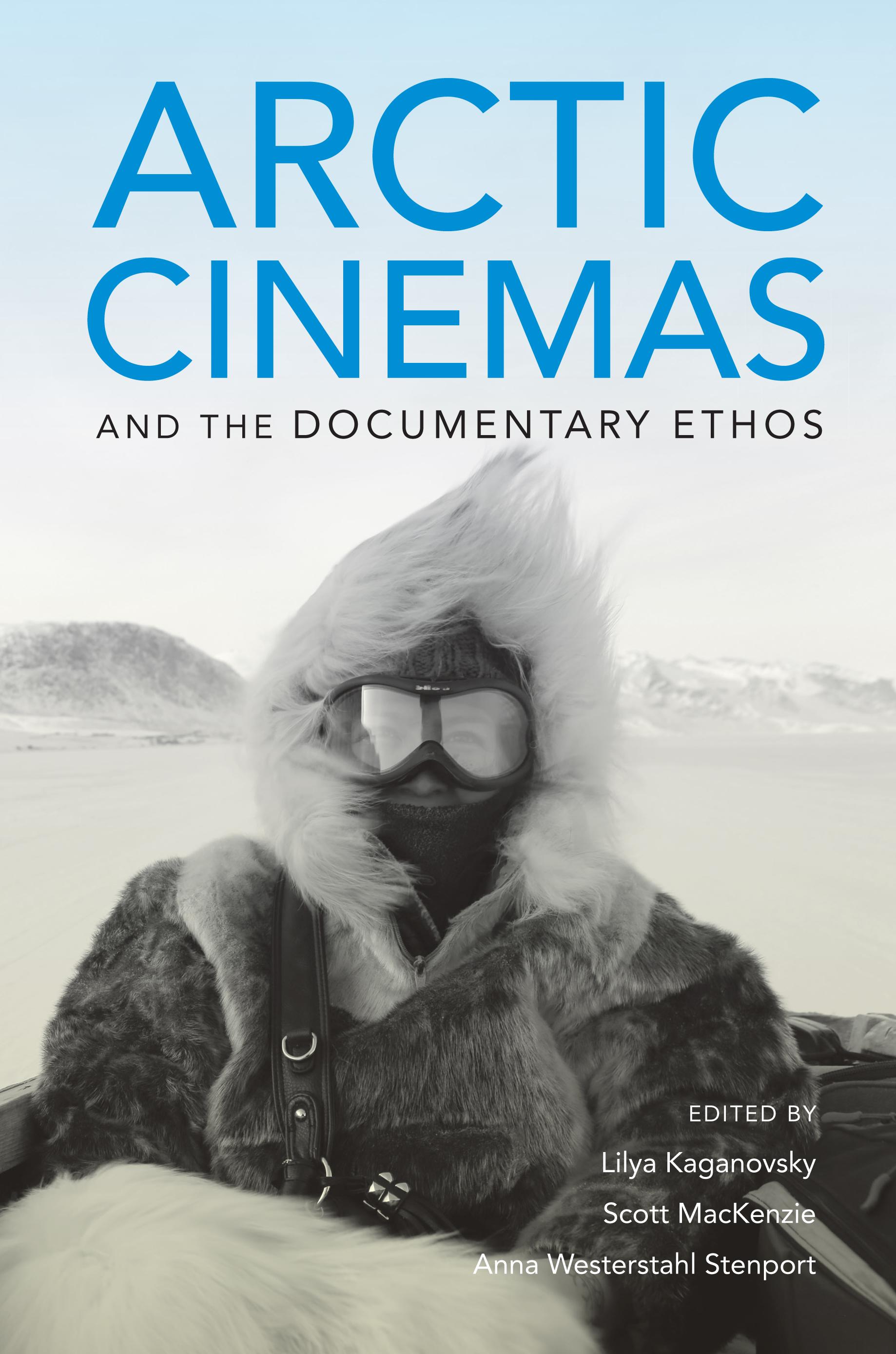
Beginning with Robert Flaherty's Nanook of the North (1922), the majority of films that have been made in, about, and by filmmakers from the Arctic region have been documentary cinema. Focused on a hostile environment that few people visit, these documentaries have heavily shaped ideas about the contemporary global Far North. In Arctic Cinemas and the Documentary Ethos, contributors from a variety of scholarly and artistic backgrounds come together to provide a comprehensive study of Arctic documentary cinemas from a transnational perspective. This book offers a thorough analysis of the concept of the Arctic as it is represented in documentary filmmaking, while challenging the notion of "The Arctic" as a homogenous entity that obscures the environmental, historical, geographic, political, and cultural differences that characterize the region. By examining how the Arctic is imagined, understood, and appropriated in documentary work, the contributors argue that such films are key in contextualizing environmental, indigenous, political, cultural, sociological, and ethnographic understandings of the Arctic, from early cinema to the present. Understanding the role of these films becomes all the more urgent in the present day, as conversations around resource extraction, climate change, and sovereignty take center stage in the Arctic's representation.
Pay easily by card, Klarna, Apple Pay or Google Pay. Not happy? You always have a 14-day money-back guarantee. Read more in our terms. If you have any questions, email us at hello@memmo.org.
Memmo makes studying easier – wherever you are in the world. We bring your course books and smart study tools together in one place: summaries, quizzes, podcasts and flashcards. Plus Ted, your study buddy who answers anything you wonder. Over 50,000 students already study here – built to help you learn faster and stress less.